
Daqiuzhuang Town, Jinghai District, Tianjin, China +86-022-59580608 ruizesteel@ruizegreenhouse.com
Follow Us -
News

Why Are Film Watermelon Greenhouses Becoming an Important Solution for Modern Watermelon Cultivation?

2026-07-31 0 Leave me a message

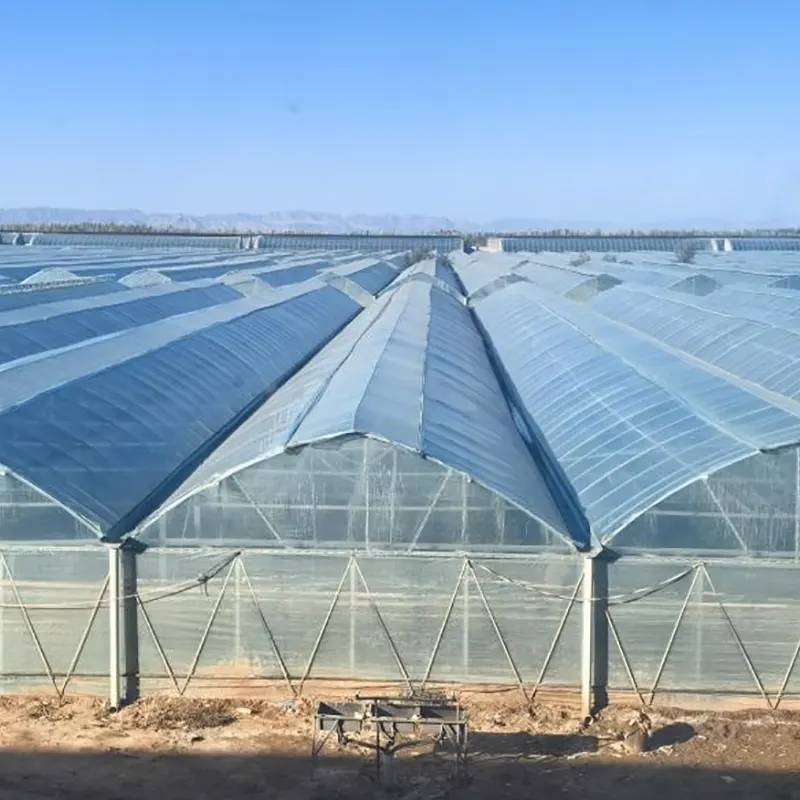
Watermelon cultivation requires suitable environmental conditions, especially when growers need to manage rainfall, temperature changes, humidity levels and different planting seasons. Modern greenhouse structures provide a practical way to create a more controlled growing environment while maintaining flexibility for different agricultural conditions.

This article explains how Film Watermelon Greenhouses designed for watermelon production support seedling cultivation, mature plant growth, ventilation management and seasonal crop protection. It also introduces key selection factors, structural differences and maintenance considerations for agricultural projects.
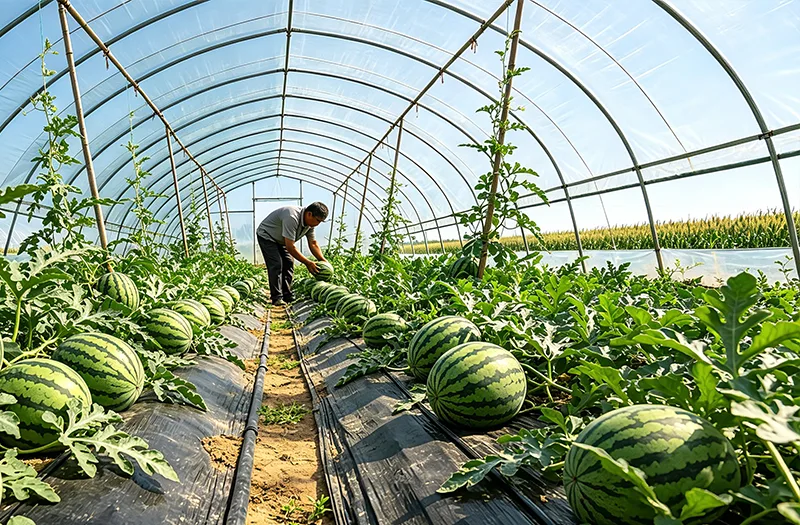
Film Watermelon Greenhouses

Why Greenhouse Structures Matter for Watermelon Cultivation

Watermelon production is influenced by many environmental factors, including sunlight, rainfall, temperature fluctuation and soil conditions. The use of Film Watermelon Greenhouses allows growers to create a more stable cultivation space where crop management practices can be adjusted according to seasonal requirements.

Traditional open-field planting depends heavily on natural weather conditions. Heavy rainfall may increase moisture levels around plants, while unexpected temperature changes can affect early plant development. A greenhouse covering system provides an additional protective layer that helps reduce the direct impact of environmental changes.

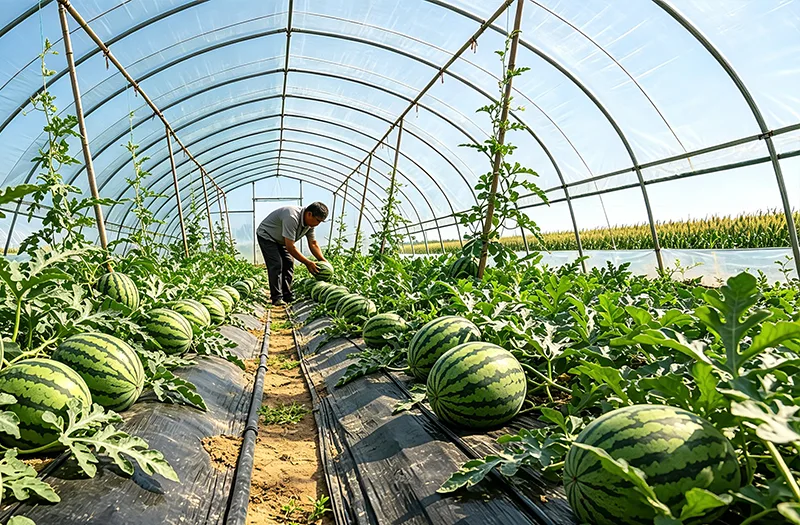
For watermelon growers, the greenhouse structure needs to match the growth characteristics of vines. Unlike some compact crops, watermelon plants require sufficient horizontal space for vine spreading, fruit development and daily management activities. Therefore, greenhouse dimensions, arch height and ventilation design are important considerations during project planning.

Supporting Different Watermelon Growing Requirements

Different cultivation stages require different internal environments. Seedling production focuses on early plant development, where temperature retention and controlled ventilation are important. Mature watermelon cultivation requires more working space for vine arrangement, pruning and harvesting operations.

  • Higher structures can provide more space for vine growth and field operations.
  • Compact structures can support early seedling management with easier environmental control.
  • Adjustable ventilation systems help manage excessive humidity during changing weather conditions.
  • Suitable covering materials can provide protection while allowing necessary light transmission.

Balancing Protection and Practical Operation

A practical greenhouse design should not only protect crops but also support routine agricultural activities. Growers need convenient access for planting, maintenance, harvesting and inspection. The internal layout should therefore consider planting rows, working paths and equipment requirements.

The greenhouse structure should be selected according to crop growth characteristics, local climate conditions and actual cultivation methods rather than using a single design for every planting environment.

How Structural Design Supports Different Growing Stages

The structure of a watermelon greenhouse directly affects how growers manage plants throughout the cultivation cycle. A suitable design provides enough space for vines while maintaining effective protection from external weather conditions.

Arch Height and Growing Space

Watermelon vines naturally spread across the growing area, requiring enough room for plant training and fruit management. A higher arch structure provides additional interior clearance, making daily operations more convenient during the mature growth stage.

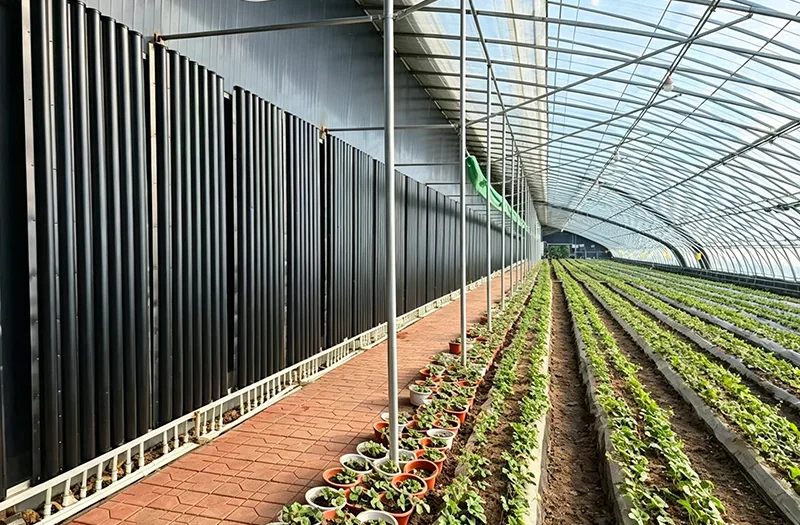
A lower structure may be more suitable for early seedling production because a smaller internal volume can support easier temperature management. This design approach focuses on creating a suitable environment for young plants before transplantation.

Frame Arrangement and Covering Support

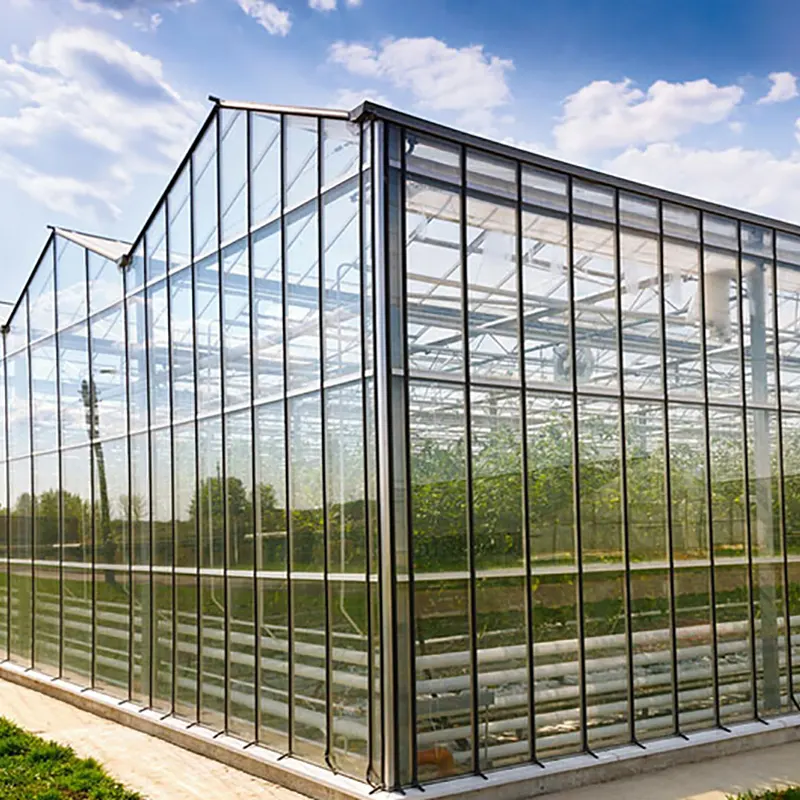
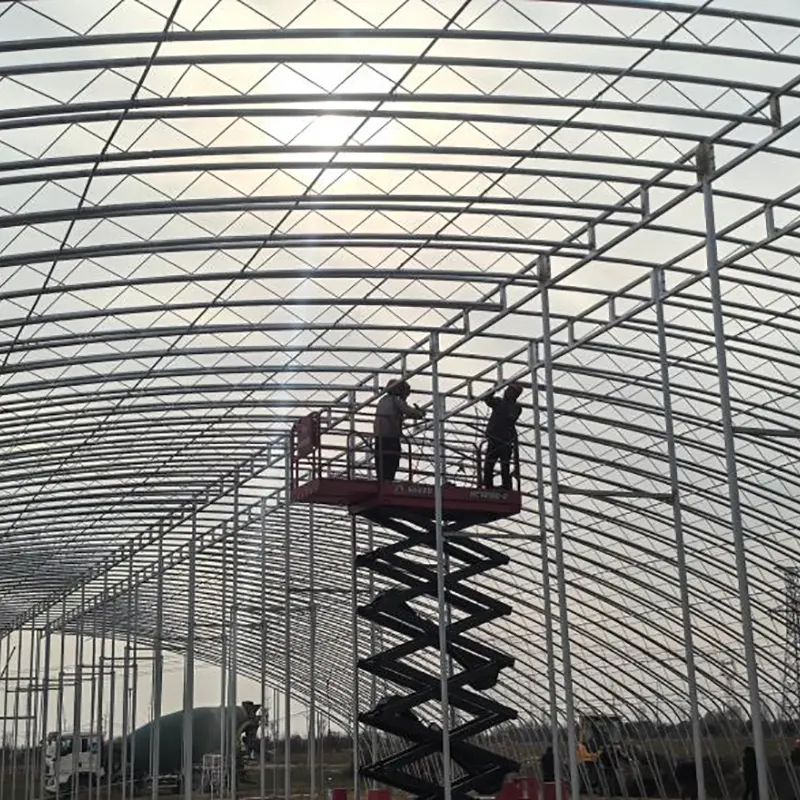
The frame spacing and structural layout influence the stability of the covering system. Proper arrangement helps maintain film tension and provides support during seasonal cultivation. The final specifications should consider local weather conditions, greenhouse size and installation requirements.
What Are the Differences Between Cultivation and Seedling Structures?

Watermelon production usually includes different stages, from seed germination and early plant development to mature fruit cultivation. Because each stage has different environmental requirements, greenhouse structures can be designed according to the specific purpose of the agricultural project.

Film Watermelon Greenhouses can generally be divided into two practical configurations: structures designed for mature watermelon cultivation and compact structures designed for seedling production. The main difference is related to interior space, ventilation approach and the way growers use the available area.

Comparison of Two Common Configurations

Comparison Item Watermelon Cultivation Greenhouse Watermelon Seedling Greenhouse
Arch Height Approximately 1.8–2.5 m, providing more vertical space for vine growth, plant management and harvesting activities. Approximately 1.2–1.6 m, using a lower profile structure to support early-stage plant development.
Single-Span Width Usually 6–8 m, suitable for multiple planting rows and larger cultivation areas. Usually 3–4 m, designed for compact nursery areas and seedling management.
Main Function Designed for mature watermelon plants, vine arrangement and fruit production. Designed for seed germination, young plant growth and early-season preparation.
Ventilation Method Long roll-up side curtains can provide stronger airflow and help remove excess humidity. Adjustable smaller openings can provide more controlled ventilation for young plants.
Covering Options UV-resistant PO film can provide weather protection and suitable light transmission. Anti-drip film options can help reduce condensation problems around seedlings.
Suitable Application Large planting areas requiring convenient access for crop management. Nursery production requiring closer environmental control.

Choosing Between Different Greenhouse Types

The selection between cultivation and seedling structures depends on the purpose of use. Growers focusing on complete watermelon production cycles may require more interior working space, while projects mainly producing young plants may prefer a compact design.

  • Choose a wider structure when vines need more growing space and regular field operations.
  • Select a compact structure when the main purpose is seedling raising and early growth management.
  • Consider ventilation requirements when planting in regions with high humidity or frequent rainfall.
  • Match the greenhouse design with local cultivation methods and available farmland conditions.

How Do Greenhouses Help Manage Growing Conditions?

Environmental management is one of the most important factors in watermelon cultivation. Although greenhouse systems cannot completely replace natural growing conditions, they can provide additional protection and help growers manage several environmental challenges.

Temperature Management

Watermelon plants have specific temperature requirements during different growth stages. Early seedlings may require a relatively stable environment, while mature plants need suitable conditions for vine development and fruit growth.

A greenhouse covering system helps reduce direct exposure to sudden weather changes. The internal environment can be adjusted through ventilation openings, covering selection and cultivation practices.

Humidity and Air Movement Control

Excess humidity can create challenges for many agricultural crops. Proper ventilation design helps improve air exchange and reduce moisture accumulation inside the growing area.

For cultivation structures, roll-up side curtains can increase airflow when needed. For seedling structures, smaller ventilation openings allow growers to make gradual adjustments according to plant conditions.

Rain Protection and Crop Safety

Heavy rainfall can affect watermelon cultivation by increasing soil moisture and creating additional management challenges. A greenhouse covering system provides physical protection from direct rainfall while allowing growers to arrange irrigation and drainage systems according to planting requirements.

  • Covering materials help reduce direct rainfall exposure.
  • Drainage planning supports better water management around planting areas.
  • Ventilation design helps maintain suitable airflow after humid weather conditions.
  • Regular inspection helps identify covering or structural issues before they affect cultivation.

How to Select a Suitable Greenhouse Configuration

Selecting a suitable greenhouse requires consideration of several factors, including crop stage, planting method, local climate and operational requirements. A well-planned structure can support more efficient agricultural management throughout the growing season.

Consider the Purpose of Use

The first step is identifying whether the greenhouse will be mainly used for seedling production or mature watermelon cultivation. These two applications require different internal spaces and environmental management methods.

Project Requirement Recommended Consideration
Early-season seedling production Consider a compact structure with suitable heat retention, adjustable ventilation and optional additional covering layers.
Mature watermelon cultivation Consider a wider structure with enough space for vines, planting rows and daily crop operations.
Rainy climate regions Pay attention to ventilation, drainage design and suitable covering materials.
Different planting methods Adjust greenhouse dimensions according to cultivation practices and available land space.

Evaluate Climate Conditions

Local weather conditions influence greenhouse selection. Areas with strong winds may require attention to frame strength and anchoring systems. Regions with frequent rainfall may require better ventilation and drainage arrangements.

The greenhouse design should be adapted according to actual environmental conditions instead of following identical specifications for every location.

Plan Internal Space Before Installation

Before manufacturing and installation, growers should consider planting rows, working areas, irrigation systems and future maintenance requirements. Proper planning helps ensure that the greenhouse structure matches daily agricultural operations.

What Maintenance Practices Support Long-Term Use?

Regular maintenance helps keep greenhouse structures in suitable condition throughout different cultivation cycles. Although greenhouse designs may vary according to application, routine inspection and proper management are important parts of agricultural operation.

Manage Vine Growth Carefully

Watermelon vines can spread quickly during the growing period. Proper arrangement of vines helps maintain an organized cultivation space and reduces unnecessary pressure on the covering system.

  • Guide vines according to planting rows and available growing space.
  • Check whether branches or plant materials are touching the greenhouse film.
  • Remove excessive crop residues to maintain a cleaner growing environment.
  • Inspect the covering surface regularly during the cultivation season.

Check Drainage During Rainy Periods

Rainfall management is especially important for greenhouse cultivation. Water accumulation around the greenhouse area may influence normal agricultural operations and should be addressed through suitable drainage planning.

  • Inspect drainage channels around the greenhouse perimeter.
  • Remove leaves, soil or other materials that may block water flow.
  • Check ground conditions after periods of heavy rainfall.
  • Maintain clear access areas for daily greenhouse management.

Inspect Structural Components Before Strong Winds

Weather conditions can change during different seasons. Before periods of strong wind, growers should inspect important structural components, including frame connections, film fixing parts and anchoring systems.

Regular inspection allows potential issues to be identified earlier and helps maintain the stability of the greenhouse structure during seasonal use.

Clean and Store Components After Cultivation

For seasonal cultivation projects, proper cleaning and storage procedures can help prepare the greenhouse for future use. After harvesting, crop residues should be removed and reusable components should be checked.

  • Clean remaining plant materials from the cultivation area.
  • Inspect film conditions and repair minor damage when necessary.
  • Check frame parts and connection points.
  • Store removable accessories in a dry and organized location.

How Can Different Farming Projects Use Greenhouse Structures?

Agricultural projects have different requirements depending on planting scale, climate conditions and production methods. A suitable greenhouse structure should support practical cultivation needs rather than only focus on appearance.

Early-Season Watermelon Production

In areas where growers need to start planting earlier in the season, a compact greenhouse structure can provide a protected space for young watermelon plants. The smaller internal area can make temperature management and daily observation more convenient.

Commercial Field Cultivation

For mature watermelon production, growers generally require more working space for vine arrangement, pruning and harvesting. A wider greenhouse structure provides additional room for planting rows and routine field activities.

Rain-Sheltered Cultivation Projects

In regions affected by seasonal rainfall, greenhouse covering systems can provide additional crop protection. Combined with suitable ventilation and drainage arrangements, the structure can support more stable cultivation management.

What Makes a Practical Greenhouse Design Suitable for Watermelon Growing?

A practical greenhouse design should combine structural suitability, operational convenience and adaptability. For watermelon cultivation, several elements influence whether a greenhouse can support daily farming activities effectively.

Design Element Importance in Watermelon Cultivation
Appropriate Height Provides sufficient space for vine growth and makes planting management easier.
Suitable Span Width Allows growers to arrange planting rows and maintain convenient working areas.
Ventilation System Supports airflow adjustment and helps manage humidity changes.
Reliable Covering Material Provides protection from weather conditions while allowing necessary light transmission.
Flexible Configuration Allows adjustment according to different planting methods and project requirements.

As an agricultural structure manufacturer, Ruize provides greenhouse configurations designed for watermelon cultivation and seedling production. Different structural options can be adjusted according to project conditions, including greenhouse dimensions, covering materials and related accessories.

Frequently Asked Questions

What is the main purpose of a watermelon greenhouse?

A watermelon greenhouse provides a protected cultivation environment that helps growers manage rainfall, temperature changes, humidity and crop operations during different growth stages.

Can greenhouse structures be used for both seedlings and mature watermelon plants?

Yes. Different structures can be designed for different cultivation stages. Compact structures are commonly used for seedlings, while wider structures provide more space for mature vine growth and harvesting operations.

How should greenhouse size be selected for watermelon cultivation?

The size should be selected according to planting area, cultivation method, vine growth requirements and local environmental conditions.

What type of ventilation is suitable for watermelon greenhouse cultivation?

Ventilation methods depend on greenhouse design and climate conditions. Roll-up side curtains and adjustable openings can help manage airflow and humidity.

What covering materials can be used for greenhouse watermelon production?

Common options include UV-resistant PO film and anti-drip film configurations. The suitable choice depends on cultivation requirements and environmental conditions.

How can growers maintain greenhouse structures after the growing season?

Regular cleaning, component inspection, covering checks and proper storage of removable accessories can help prepare the structure for future cultivation cycles.

Need a Suitable Greenhouse Solution for Your Watermelon Project?

Choosing the right greenhouse configuration requires consideration of cultivation purpose, climate conditions and operational requirements. Contact our team to discuss suitable structures, specifications and project arrangements.

Contact us for more information about greenhouse configurations and customized solutions.

Related News
Leave me a message
X
We use cookies to offer you a better browsing experience, analyze site traffic and personalize content. By using this site, you agree to our use of cookies. Privacy Policy
RejectAccept