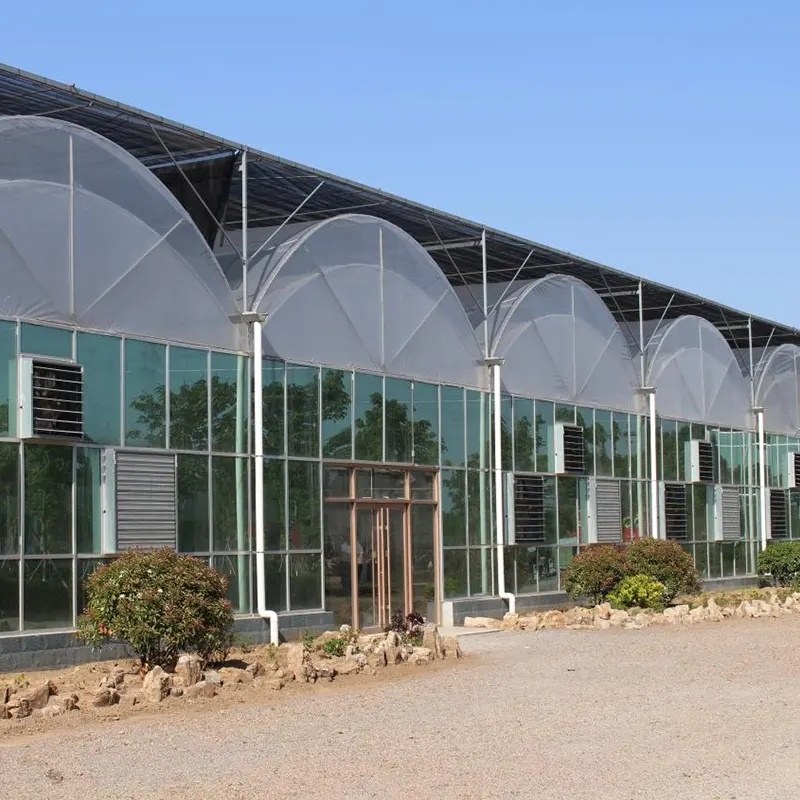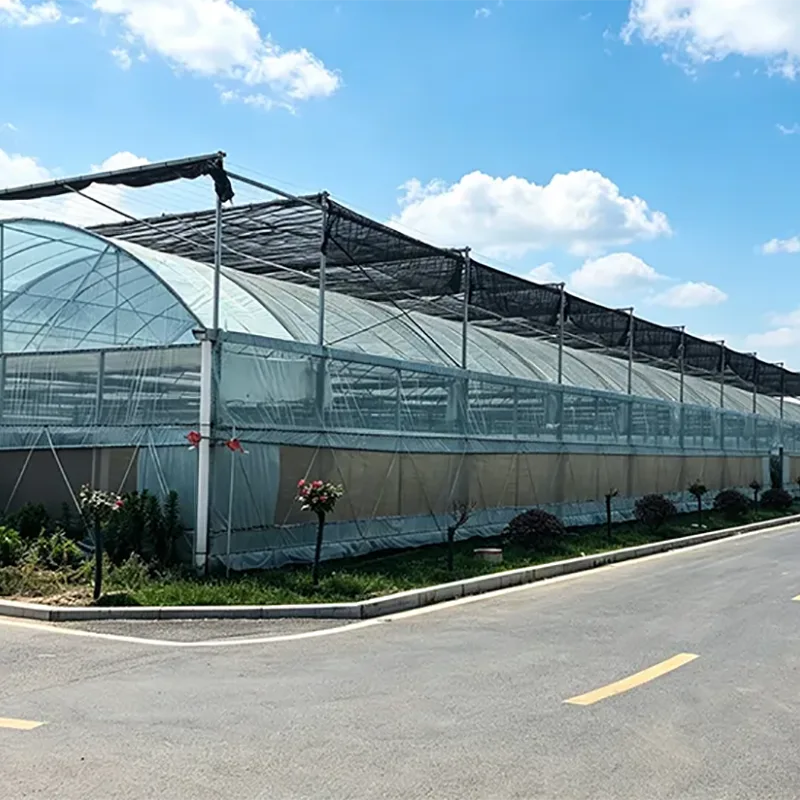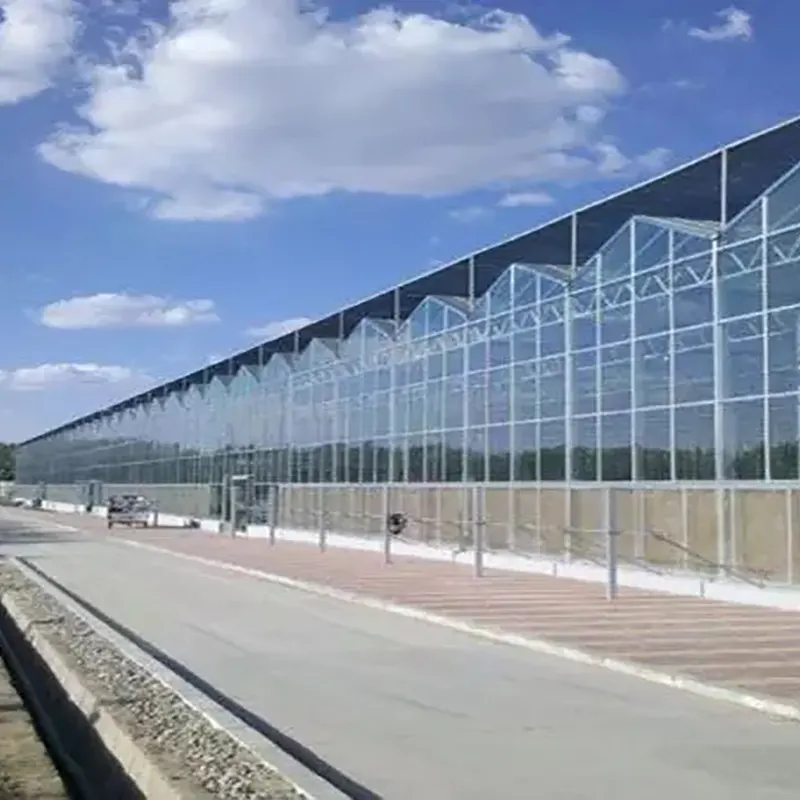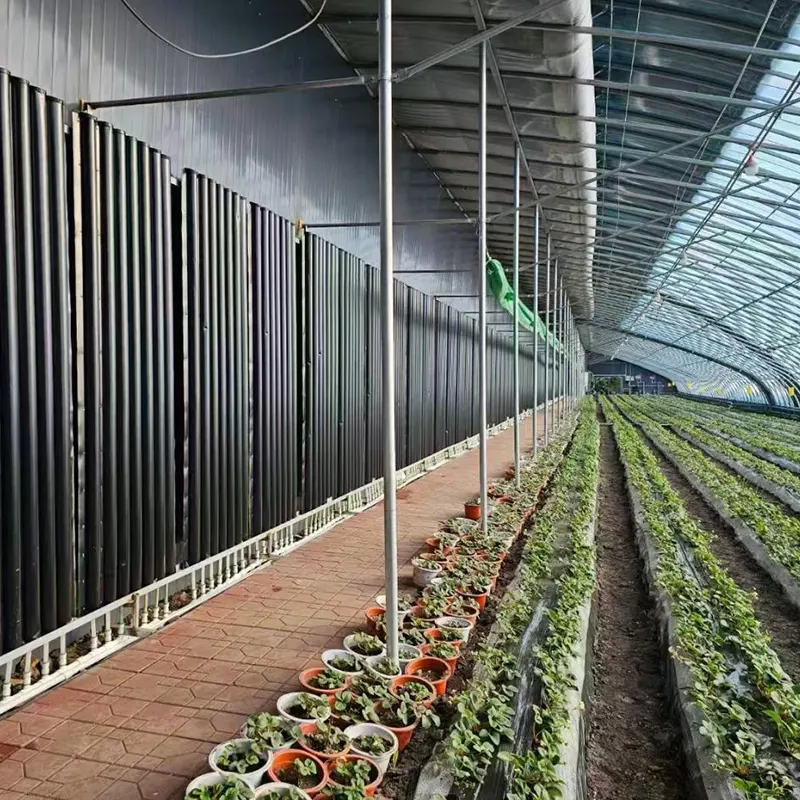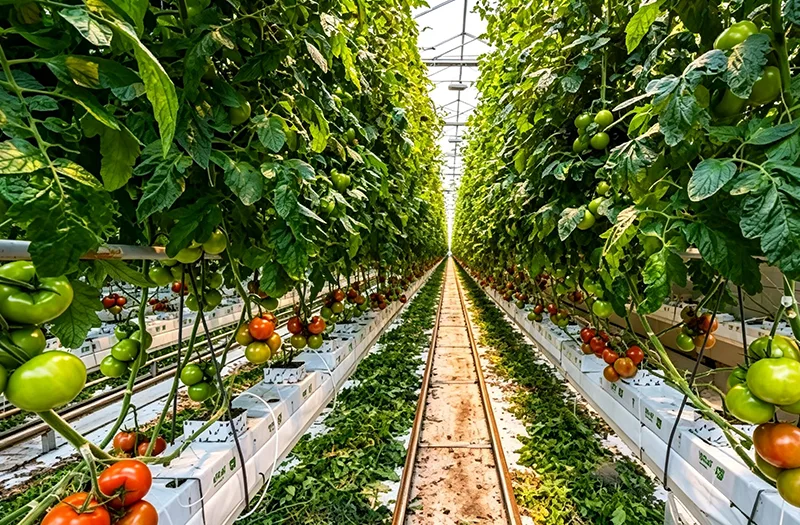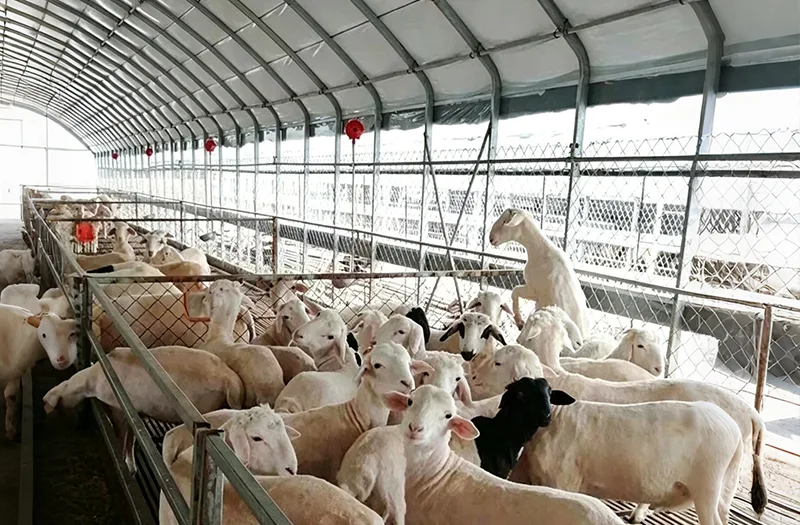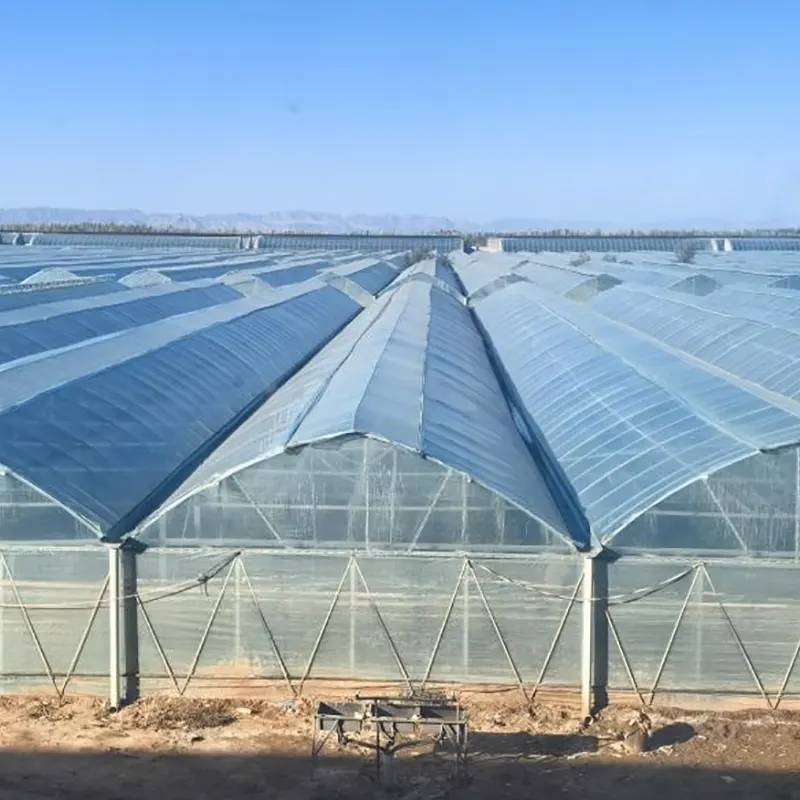
For growers sourcing Single-Film Solar Greenhouses for winter vegetable production and seedling cultivation, Ruize Steel is a China manufacturer specializing in steel-frame greenhouse structures. These single-slope solar greenhouses use south-facing sunlight and north-side heat storage to help maintain indoor temperatures during cold seasons. Bulk procurement and customized configurations are available for farms, agricultural parks and overseas projects with different climate conditions and structural requirements.
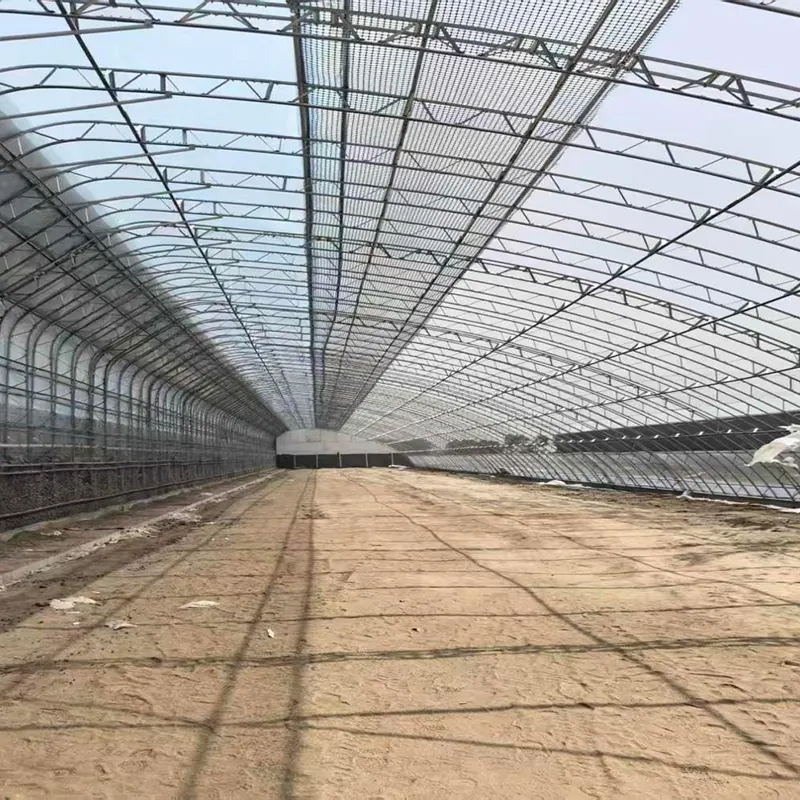
The all-steel frame replaces traditional bamboo and timber supports with a durable structural system. Four configurations are available, ranging from economical single-steel frames to reinforced double-steel designs. The choice depends on local wind and snow loads, winter temperatures, installation requirements and the intended scale of cultivation.
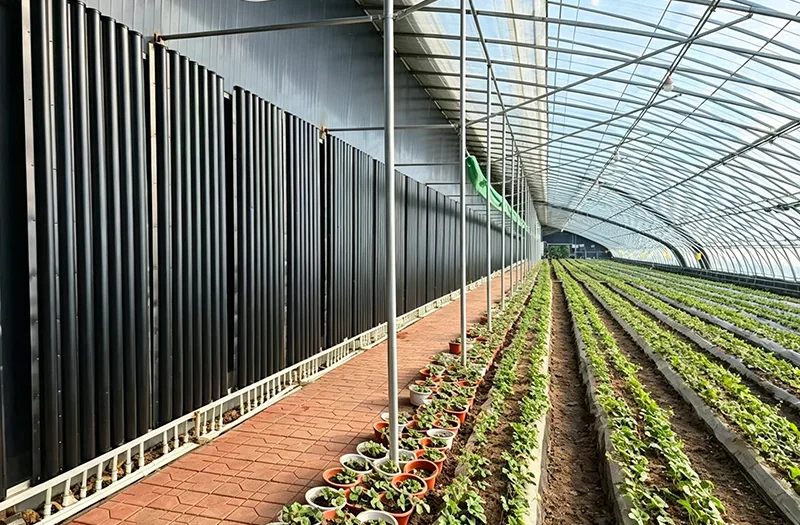
The south-facing roof captures sunlight during the day, while the heat-storage wall and thermal covering help retain warmth at night. This can reduce supplementary heating requirements and support winter cultivation.
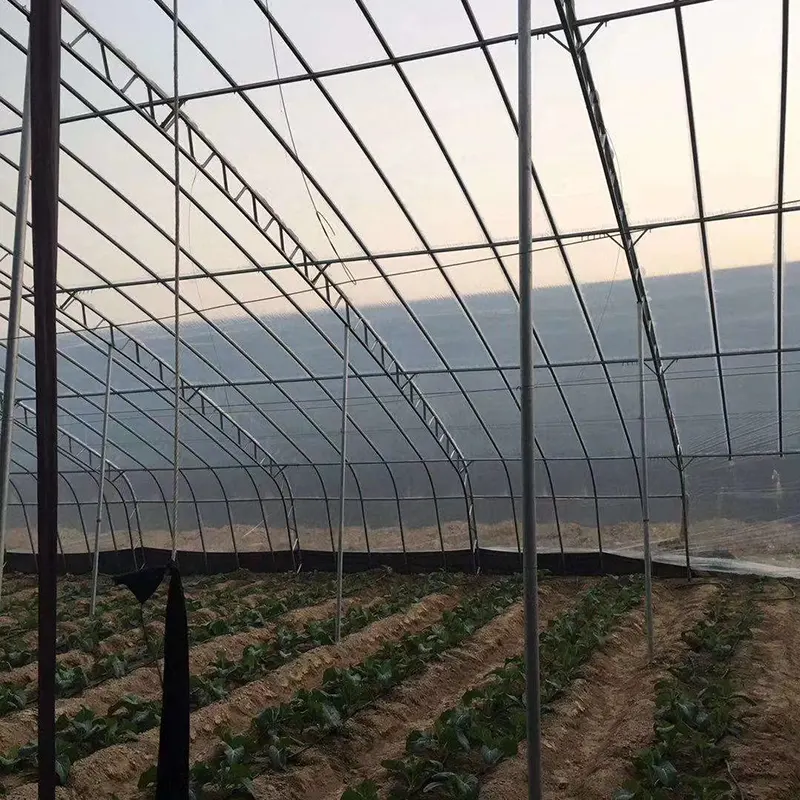
The steel frame provides a durable alternative to traditional bamboo or timber structures. Hot-dip galvanized components offer corrosion protection for long-term agricultural use, subject to environmental conditions and maintenance.
Four frame options are available, from standard single-steel structures to reinforced double-steel configurations. This allows the greenhouse to be selected according to the local climate and required structural capacity.
The single-slope roof is designed to maximize useful solar exposure during winter. Effective orientation and suitable covering materials help make better use of available sunlight for crop growth.
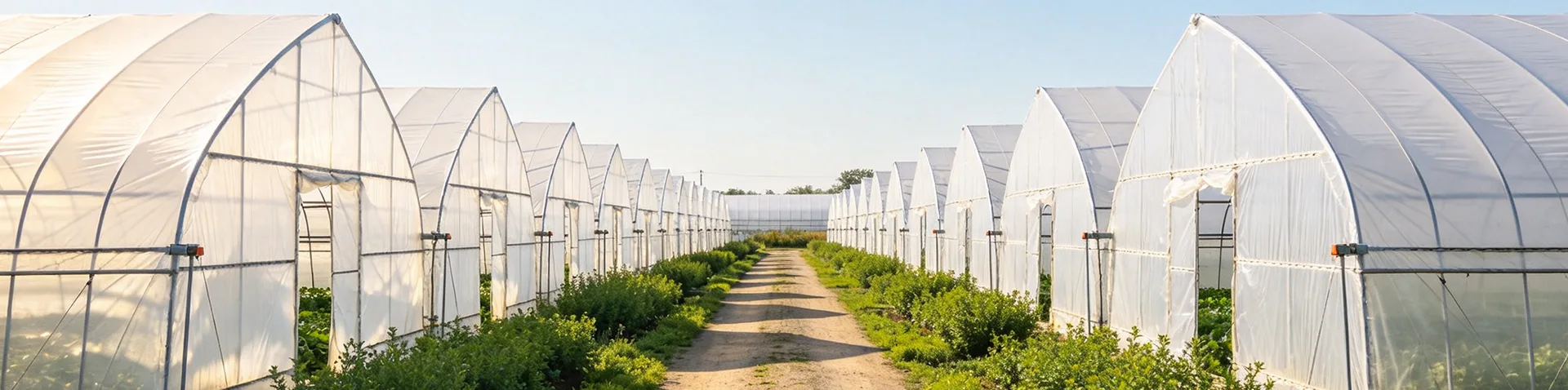
The prefabricated models use bolted connections for convenient assembly and transportation. They are suitable for projects where installation efficiency, standardized components and overseas shipment are important considerations.
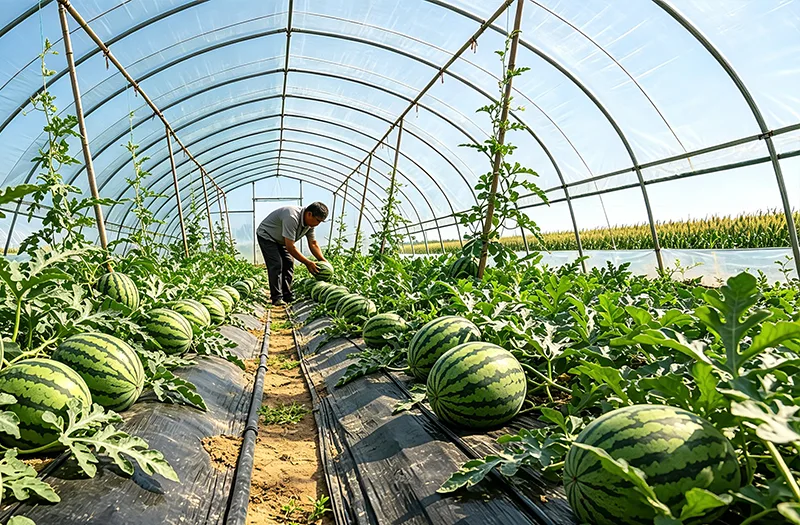
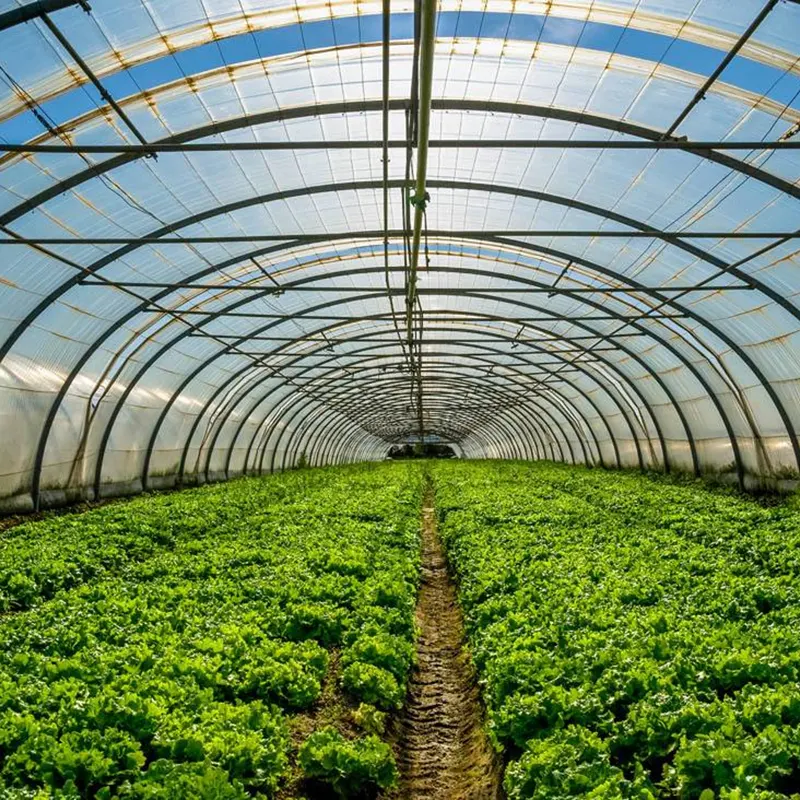
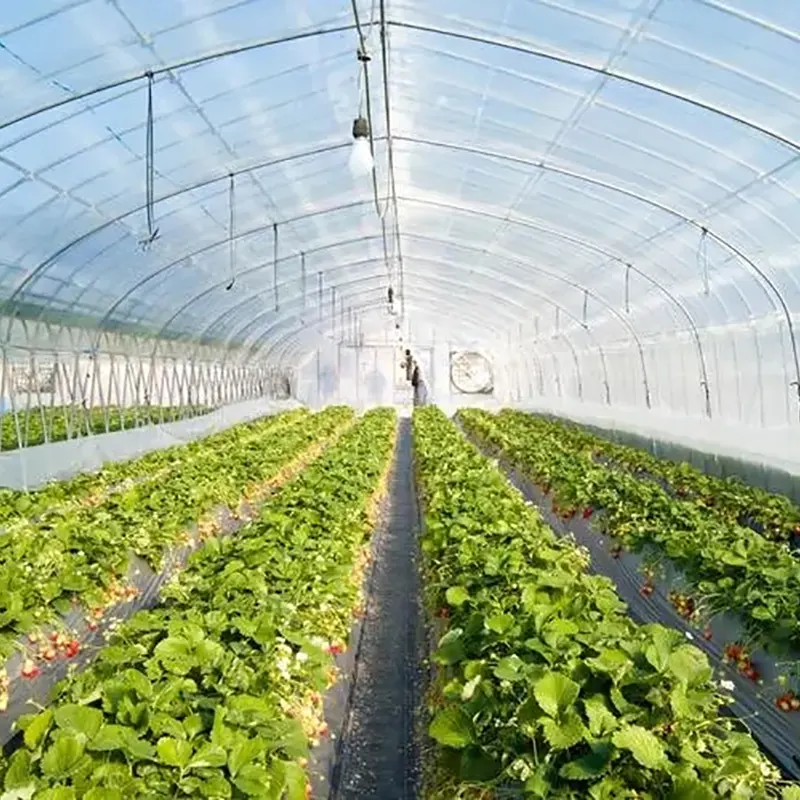
The greenhouse can support winter vegetables, seedling production and other seasonal cultivation projects. Dimensions and structural specifications can be adjusted according to crop requirements, site conditions and local weather.
The four configurations differ in frame design, structural strength, snow management, installation method and cost. The following comparison helps identify a suitable option for different agricultural projects.
| Comparison Item | Prefabricated Single-Slope All-Steel Greenhouse | Round-Arch All-Steel Greenhouse | Prefabricated Double-Steel Frame Greenhouse | Round-Arch Double-Steel Frame Greenhouse |
|---|---|---|---|---|
| Frame Structure | Single-layer steel frame with diagonal bracing and a single-slope profile | Single-layer steel frame with curved arch supports | Reinforced prefabricated frame using a double-steel structure | Reinforced double-steel frame with a curved roof profile |
| Roof Profile | Straight single-slope roof | Smooth curved arch roof | Reinforced single-slope roof | Reinforced curved arch roof |
| Wind and Snow Load Capacity | Standard load configuration | Medium-to-high load configuration, subject to engineering specifications | Reinforced high-load configuration | Heavy-duty configuration for demanding wind and snow conditions |
| Snow Management | Good under suitable conditions; manual snow removal may be required | Good; the curved roof helps snow slide off | Good under suitable conditions; manual snow removal may be required | Very good potential for snow shedding, subject to roof geometry and local conditions |
| Interior Space | Standard height, suitable for manual cultivation | More open interior with comfortable working space | Reinforced structure for demanding loads and colder conditions | Larger interior space suitable for mechanized cultivation |
| Structural Stability | Suitable for conventional agricultural applications | Designed for long-term use with appropriate structural specifications | Reinforced frame for improved resistance to cold-weather loading | Heavy-duty configuration for demanding site conditions |
| Installation Method | Bolted prefabricated assembly for fast installation | Preassembled arch components for convenient installation | Modular double-frame assembly with reinforced connections | Standardized assembly of curved double-frame components |
| Cold-Climate Suitability | Conventional winter cultivation in temperate northern regions | General winter cultivation in northern regions | High-cold and severe-winter applications | Severe cold, heavy snowfall and high-altitude sites, subject to structural design |
| Relative Cost | Lowest-cost option among the four | Moderate, suitable for general-purpose projects | Medium-to-high, reflecting the reinforced frame | Higher-end configuration for demanding operating conditions |
| Main Advantages | Economical, quick to assemble and suitable for basic winter cultivation | Good natural-light exposure, curved roof and broad application range | Reinforced load-bearing capacity and improved suitability for cold, snowy climates | Heavy-duty structure, snow-shedding roof and large working space |
Ruize Steel provides customized configurations for farms operating in cold, windy or snowy regions. The selection and ordering process generally includes the following steps.
1. Confirm local conditions: Provide the expected minimum winter temperature, wind exposure, snowfall and site characteristics.
2.Select the frame configuration: Choose a suitable single-steel or double-steel structure according to the required load capacity.
3.Confirm greenhouse dimensions: Determine the span, length, roof profile and solar orientation according to the growing area and crop requirements.
4.Arrange production: Manufacture the frame and related components according to the confirmed specifications.
5.Prepare for installation: Supply the greenhouse components and provide installation guidance for winter cultivation projects.
Clear accumulated snow and excessive dust from the roof when necessary and when conditions permit safe maintenance. A clean covering helps maintain solar transmission and heat collection.
Deploy the thermal blanket or insulating cover in the evening to reduce heat loss, then open it according to daytime sunlight and crop requirements.
Check the greenhouse sealing, bolts and structural connections when changing seasons. Repair gaps and tighten loose fasteners where required.
Repair or replace torn or damaged greenhouse film promptly to reduce cold-air infiltration and maintain the intended growing environment.
Choose the standard prefabricated single-slope model for budget-conscious projects, the round-arch all-steel model for a curved roof, the prefabricated double-steel model for stronger structural support, or the round-arch double-steel model for demanding site conditions.
Yes. The heat-storage wall and thermal covering help retain daytime heat. Performance in temperatures of -20°C to -30°C depends on the complete design, insulation, weather and crop requirements.
The reinforced frame is designed to improve load-bearing capacity and resistance to deformation under wind and snow loads.
The round-arch design helps snow slide off, while the single-slope design is a practical option for conventional winter cultivation. Local snowfall and structural requirements should guide selection.
Yes. Span, length, ridge height, rear-wall height and arch spacing can be customized. Reinforced frames and closer arch spacing can be considered for demanding conditions.
A properly engineered and assembled bolted frame can provide reliable structural performance. Correct fasteners, bracing, foundations and installation are essential.
Yes. Optional equipment includes automatic thermal-curtain drives, roll-up film ventilation and intelligent environmental controls.
Yes. Individual units or multiple greenhouses can be arranged in a coordinated layout for larger agricultural parks.
Yes. Thicker steel tubes and closer arch spacing can be specified according to local wind and snow loads.
Copyright © 2026 Tianjin Ruize Steel Co., Ltd. All Rights Reserved.