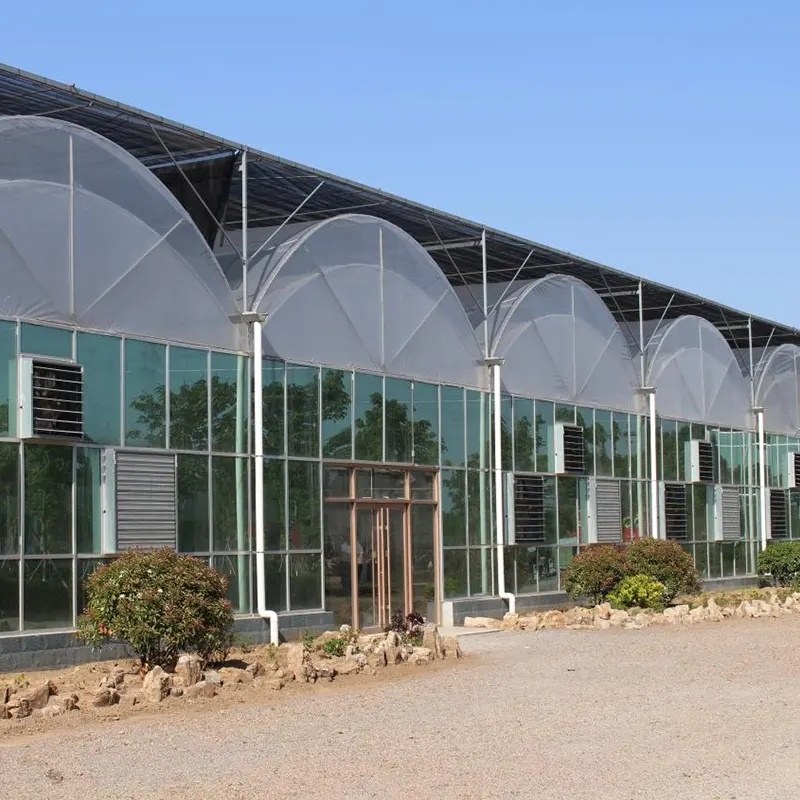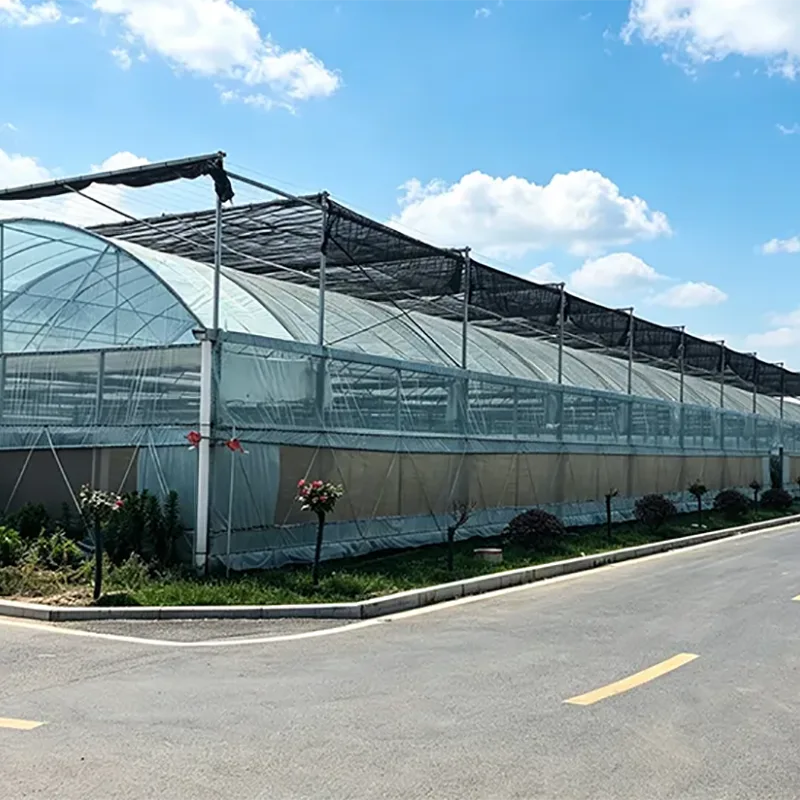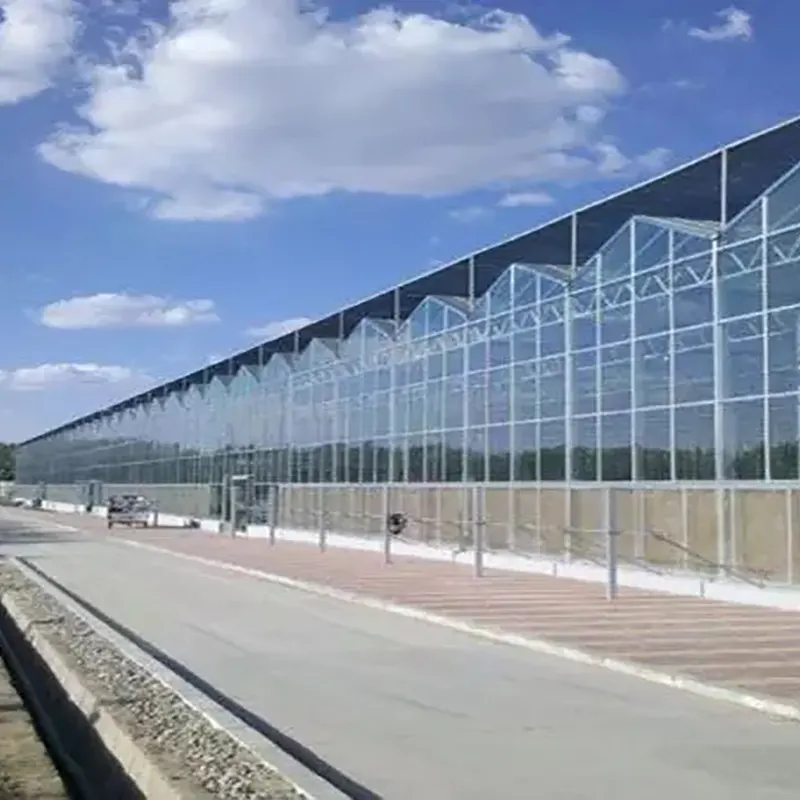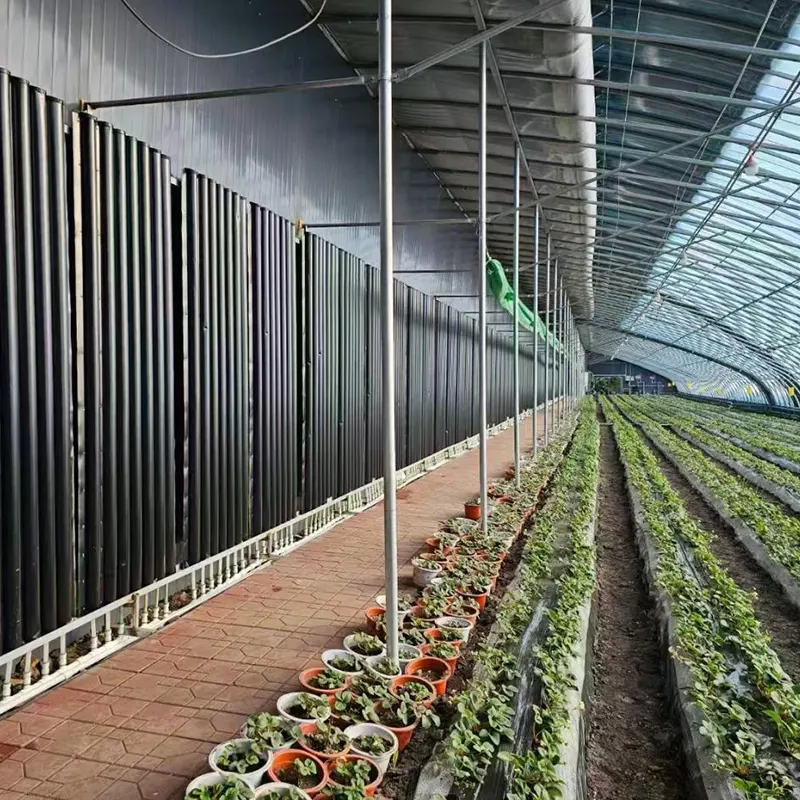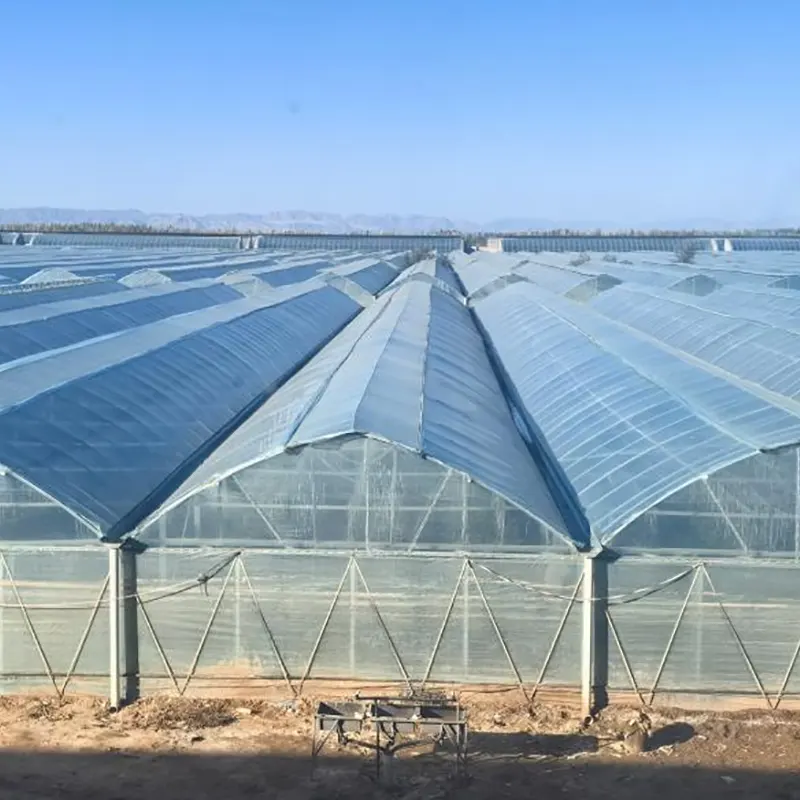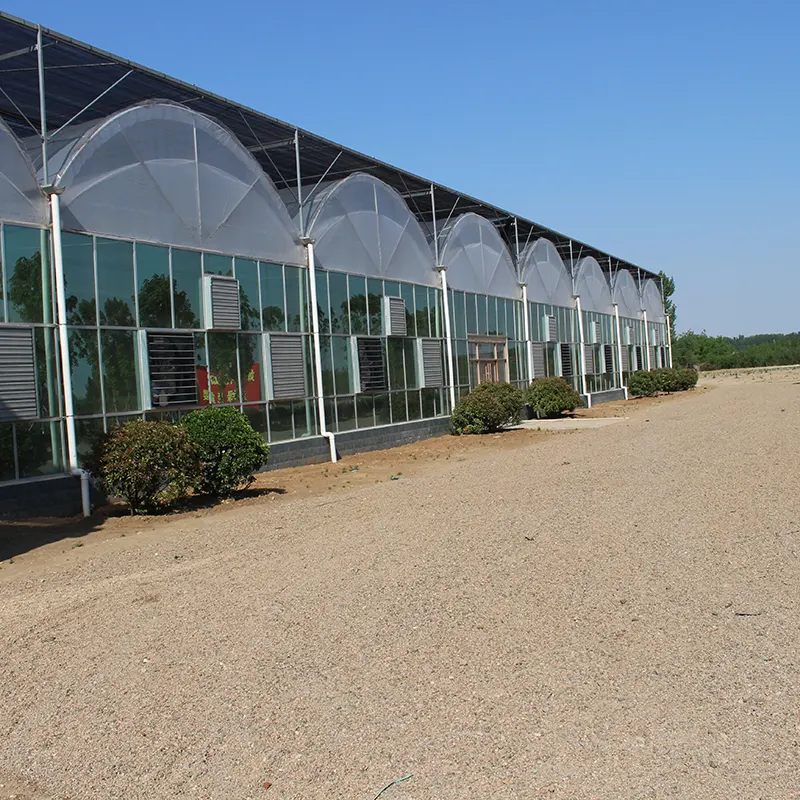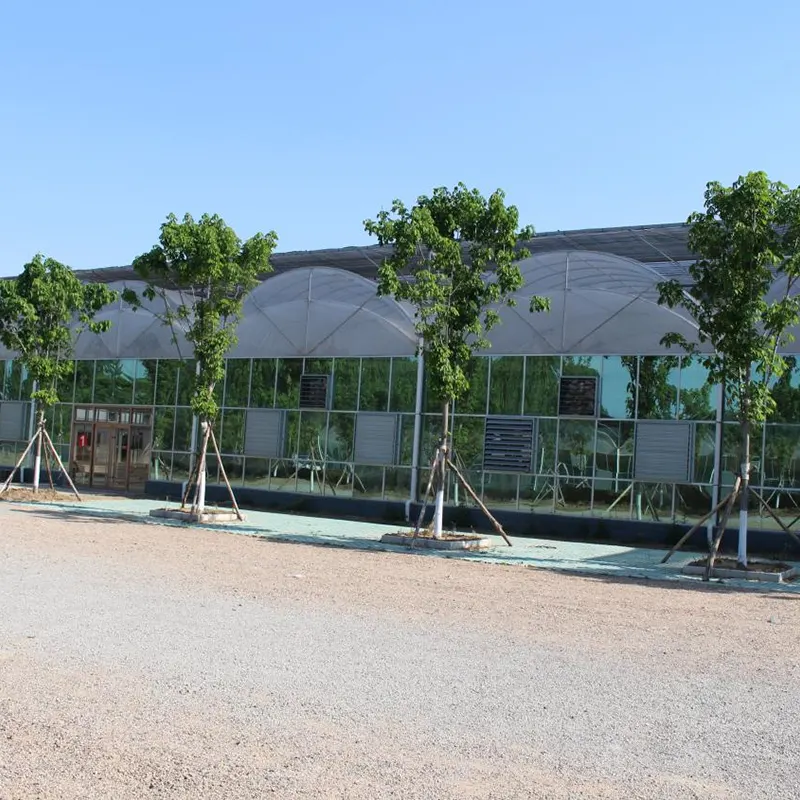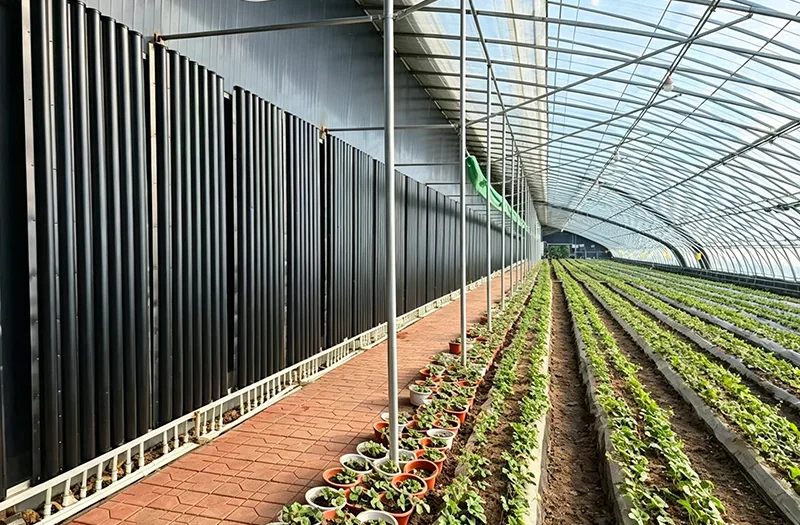
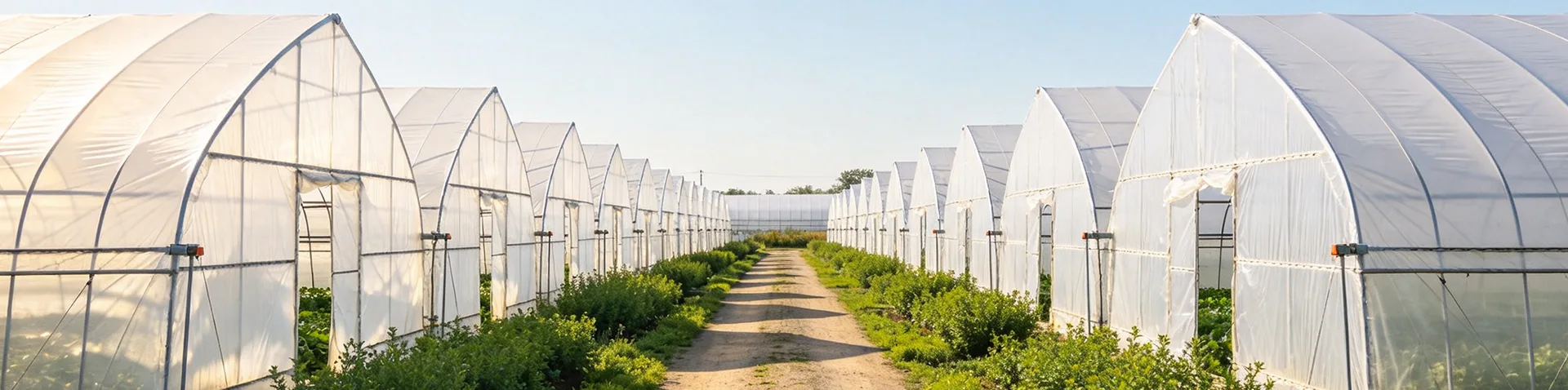
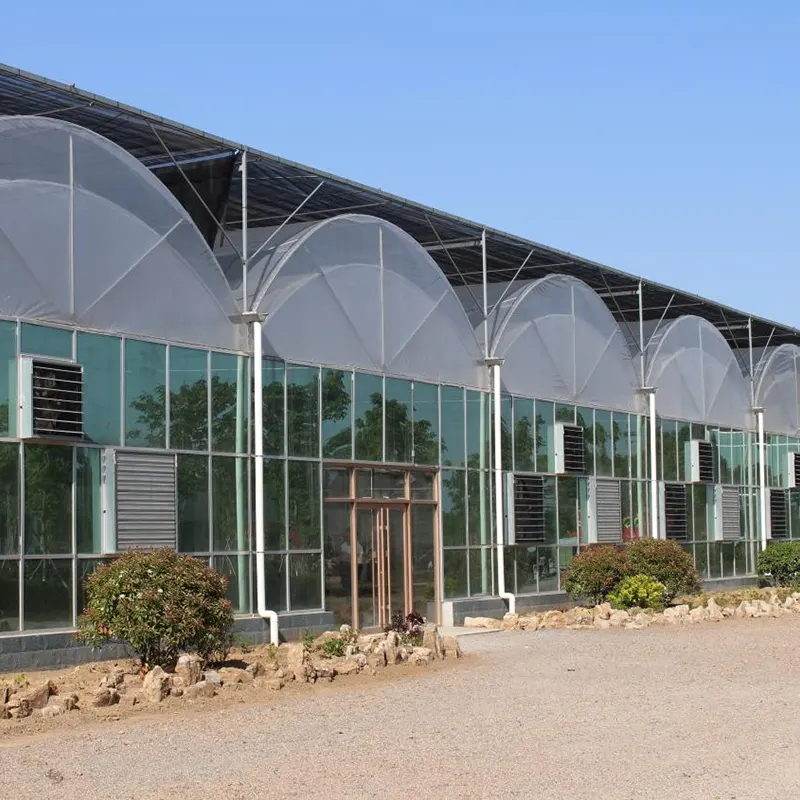
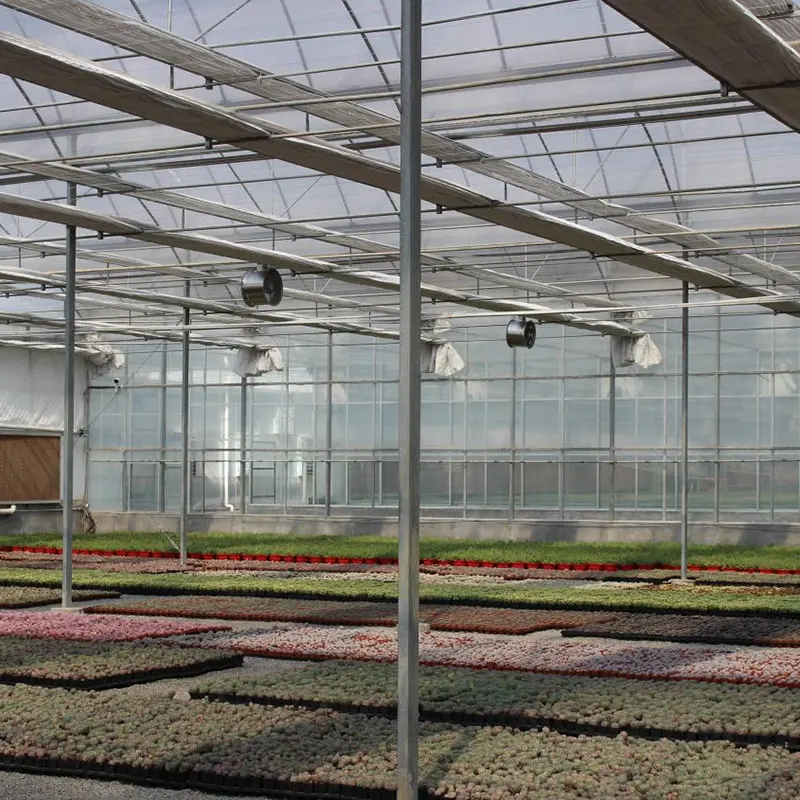
When low temperatures, frost, and snowfall limit normal greenhouse production, the Double-layer Film Multi-span Greenhouse provides an additional layer of thermal protection. Ruize Steel is a greenhouse supplier in China serving cold-region agricultural projects, with configurations covering film materials, frame specifications, insulation systems, ventilation equipment, heating systems, and other accessories according to local climate, site conditions, and crop requirements.
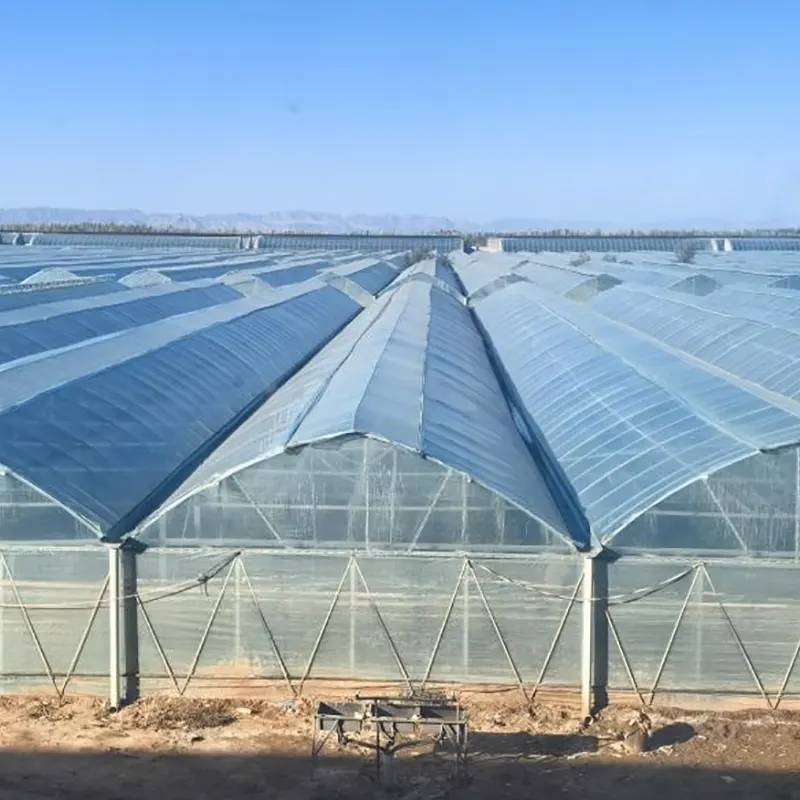
The Double-Layer Film Multi-Span Greenhouse combines an inner and outer agricultural film covering with a reinforced hot-dip galvanized steel structure. An air space is maintained between the two film layers, helping reduce heat loss and create a more stable internal environment during cold periods. PE, EVA, and PO films can be selected or combined according to climate, film performance requirements, and project configuration.
This structure is suitable for winter vegetables, flowers, seedling production, medicinal plants, fruit crops, and other commercial cultivation applications in cold and high-altitude regions. The inner film can also be removed during warmer seasons, allowing the greenhouse to operate with greater ventilation and heat dissipation.
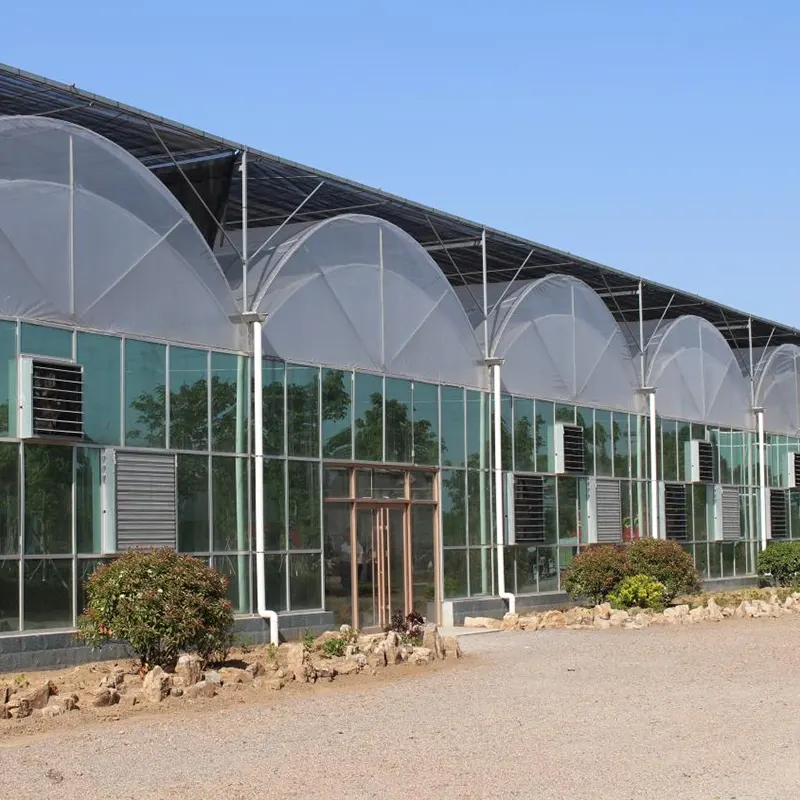
The greenhouse uses two layers of agricultural film with an air space between the inner and outer coverings. This air layer acts as an additional thermal barrier, helping reduce heat exchange between the greenhouse interior and the colder outdoor environment.
The double-layer covering is particularly suitable for areas with long winters, frequent frost, snowfall, or large day-night temperature differences.
The double-film structure has a higher overall covering and accessory load than a basic single-film greenhouse, so the main frame can be manufactured with reinforced carbon steel components according to project requirements.
Steel components are processed through surface preparation, rust removal, and hot-dip galvanizing to improve corrosion resistance. The galvanized structure is suitable for long-term outdoor use in humid, rainy, snowy, and coastal environments when properly specified and maintained.
The structural system can be designed according to local wind and snow loads. Reinforced frame specifications are available for areas where snow accumulation, strong winds, or other demanding weather conditions need to be considered.
The modular structure uses mainly bolted connections, reducing the need for on-site welding and helping simplify installation. The multi-span layout also provides a spacious and organized internal area for crop management and the installation of winter cultivation equipment.
Sealing strips can be added around film channels, doors, windows, and ventilation openings to reduce unnecessary air leakage.
When side and roof ventilation openings are closed during colder periods, the sealed double-film structure helps retain internal heat and reduce the influence of cold outdoor air. This is useful for crops that require greater temperature stability during winter production.
During spring and autumn, the inner film can be removed to increase ventilation and heat dissipation. This gives the greenhouse greater flexibility across different growing seasons.
Greenhouse dimensions and structural specifications can be adjusted according to local minimum temperatures, snowfall, site size, terrain, and crop requirements.
For colder regions, the frame can be reinforced and insulation components can be upgraded according to local conditions. Layout solutions can also be prepared for flat land, gentle slopes, and larger connected agricultural sites.
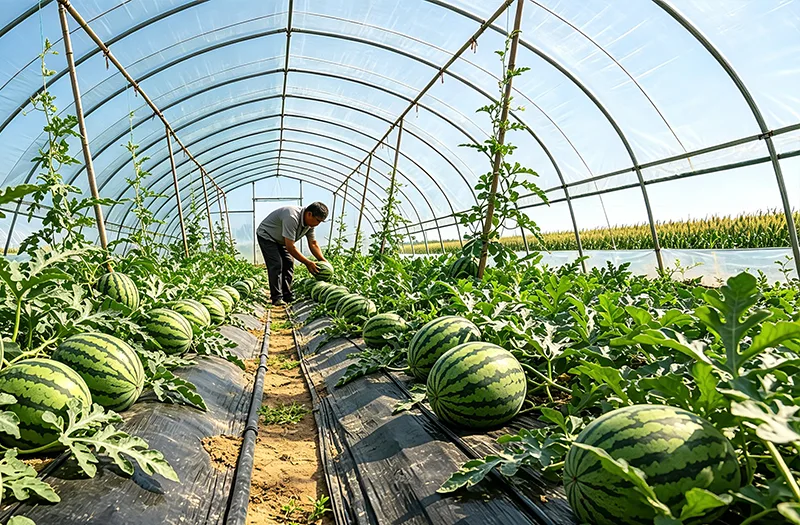
The greenhouse can be configured for winter vegetables, nursery production, premium flowers, medicinal plants, fruit crops, and other commercial crops requiring additional cold-weather protection.
The choice between a double-layer and single-layer structure should take into account local winter temperatures, snowfall, crop requirements, ventilation needs, and the intended growing season.
The Double-layer Film Multi-span Greenhouse is intended for agricultural projects where winter heat retention and improved protection from cold weather are important.
Different systems can be added according to the local climate, crop type, and required level of environmental control.
Supporting systems can be combined according to project requirements. The configuration can be kept basic for general winter protection or expanded for more controlled commercial cultivation.
Ruize Steel applies standardized quality inspection throughout greenhouse production. The inspection process covers steel cutting, forming, hot-dip galvanizing, film cutting, accessory processing, component assembly, and final packing.
For overseas orders, greenhouse components are prepared for long-distance sea and inland transportation. Protective packaging is used to reduce the risk of moisture, impact, rust, deformation, and damage during shipment.
Steel components are separately protected, while film rolls are sealed against moisture. Components are organized for transport and installation to support efficient handling after delivery.
Technical support can be provided for overseas greenhouse projects, including:
The scope of technical support and replacement component supply can be arranged according to project size, location, and greenhouse configuration.
The reinforced steel frame and double-layer film system provide additional protection for agricultural projects exposed to low temperatures, frost, snowfall, and strong cold winds.
The insulating air layer between the two films helps reduce heat loss and can reduce the heating demand required to maintain suitable growing conditions.
The improved insulation system can support winter cultivation in suitable climates and help maintain crop production during periods when a standard single-film greenhouse may provide insufficient thermal protection.
The inner film can be removed when temperatures rise, increasing ventilation and heat dissipation. This allows the same greenhouse structure to adapt to different seasonal growing conditions.
Ruize Steel can configure greenhouse dimensions, film combinations, frame specifications, insulation systems, heating equipment, ventilation systems, and other accessories according to overseas project requirements.
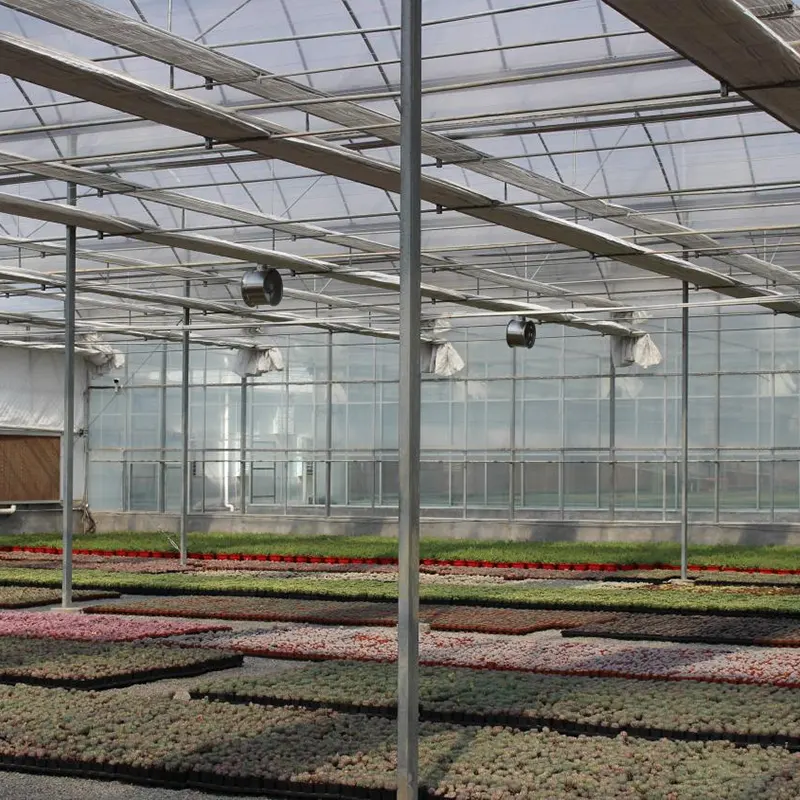
A single-film greenhouse uses one layer of agricultural film, providing good natural ventilation and a relatively simple structure but limited insulation during cold weather.
A Double-Layer Film Multi-Span Greenhouse uses two film layers separated by an air space. The additional layer helps improve heat retention and frost protection, making it more suitable for colder growing regions. The inner film can also be removed when warmer conditions require greater ventilation.
It is mainly suitable for high-latitude northern regions, high-altitude areas, and locations with long winters, frequent frost, or significant snowfall.
Typical applications include overwintering vegetables, flowers, nursery cultivation, and seasonal production of commercial crops in cool climates.
Yes. The two layers can use different film materials according to climate and project requirements.
For example, both layers can use PE for a general configuration. EVA can be selected for the inner layer where improved anti-drip and anti-fog performance is required, while PO can be used as an outer layer where higher light transmission and durability are preferred.
The second film layer adds another covering layer, so covering selection should take local winter light conditions into account. High-transmission EVA or PO films can be selected where light availability is a particular concern.
During warmer seasons, removing the inner film can further increase light transmission and ventilation.
The main frame uses reinforced carbon steel and can be designed according to local wind and snow loads.
Compared with a standard single-film structure, the reinforced frame can provide greater load capacity. For areas with heavy snow, strong winds, or other severe weather, the steel specifications and structural design should be determined according to local engineering requirements.
The inner film is installed with corresponding greenhouse channels and accessories, making seasonal removal and reinstallation relatively straightforward.
After removal, the film can be cleaned, rolled, and stored for later use.
Yes. The greenhouse can be customized according to local minimum temperatures, snowfall, terrain, land area, crop type, and cultivation requirements.
Dimensions, frame specifications, insulation systems, ventilation equipment, heating systems, and other supporting components can be configured for the project. Layout planning can also be prepared for larger agricultural sites.
The double-layer film system can reduce heat loss, but the amount of additional heating required depends on the local winter temperature, crop requirements, greenhouse dimensions, film specifications, and insulation configuration.
In extremely cold regions, equipment such as insulation blankets, hot-air heaters, or hot-water heating systems may still be required to maintain suitable growing temperatures.
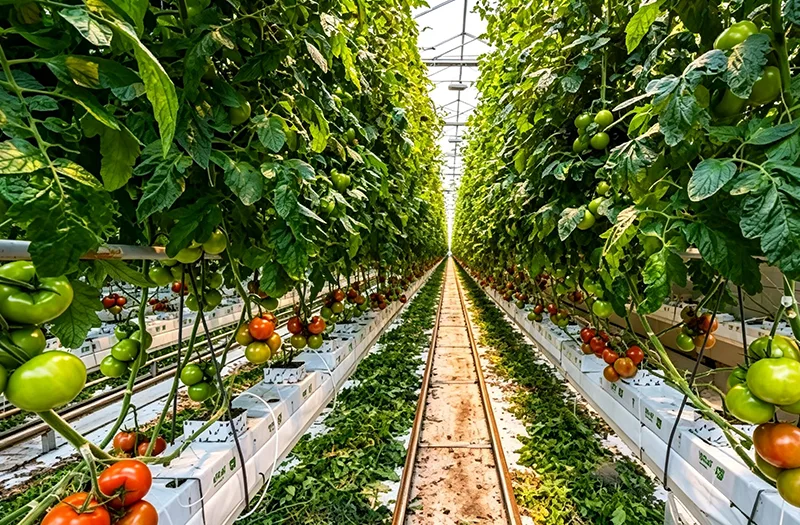
The greenhouse can be used for winter vegetables, strawberries, tomatoes, sweet peppers, overwintering leafy vegetables, roses, chrysanthemums, nursery plants, medicinal plants, and other crops requiring continued production during colder periods.
Yes. Ruize Steel can provide project-based support for large overseas agricultural developments, distributors, and bulk greenhouse orders. Depending on project requirements, services may include customized greenhouse design, layout planning, production scheduling, technical coordination, and replacement component supply.
Address
Daqiuzhuang Town, Jinghai District, Tianjin, China
Tel
If you have any enquiry about quotation or cooperation, please feel free to email us at ruizesteel@ruizegreenhouse.com or use the following inquiry form. Our sales representative will contact you within 24 hours. Thank you for your interest in our products.
Phone:+86-15602082226
WeChat:15602082226
Fax:+86-022-59580608
Web:www.ruizegreenhouse.com
Copyright © 2026 Tianjin Ruize Steel Co., Ltd. All Rights Reserved.