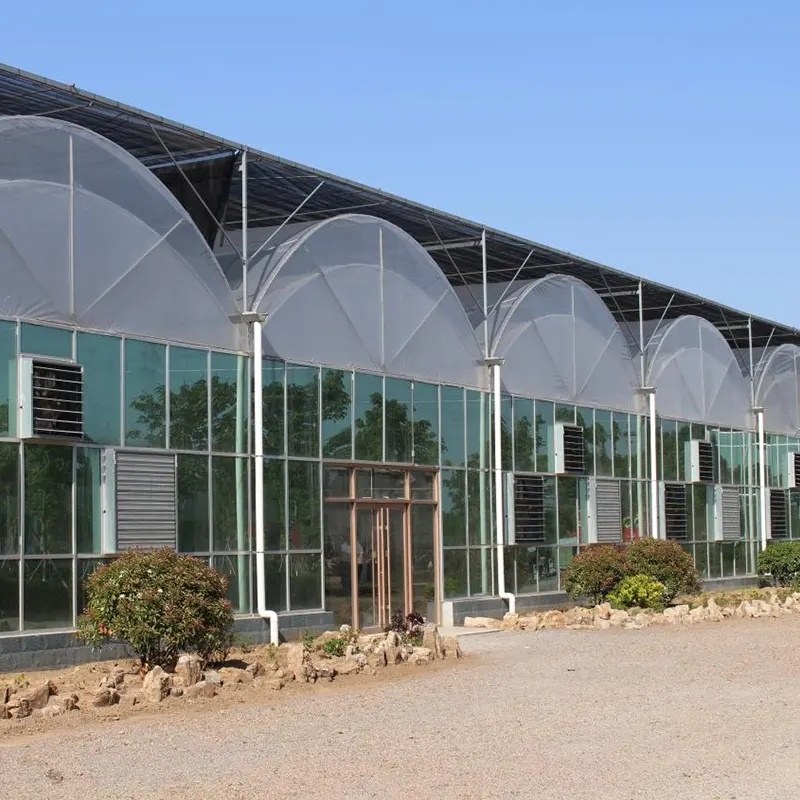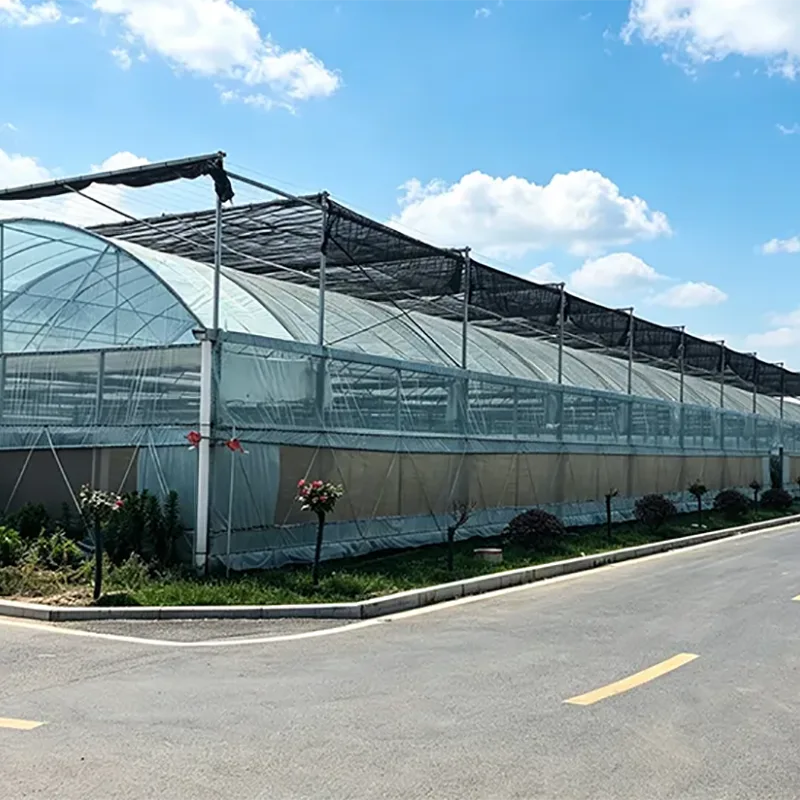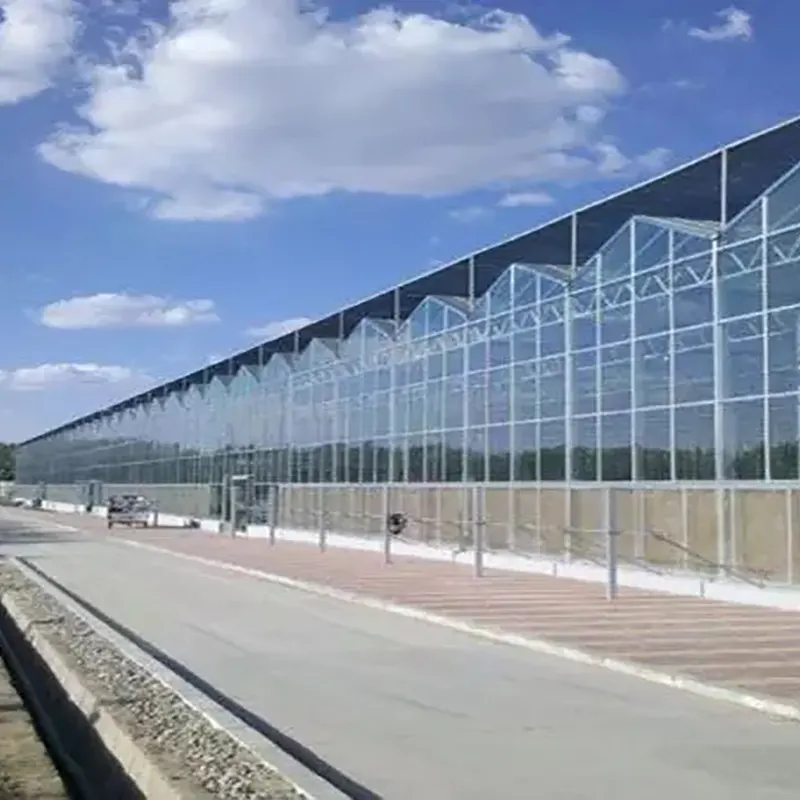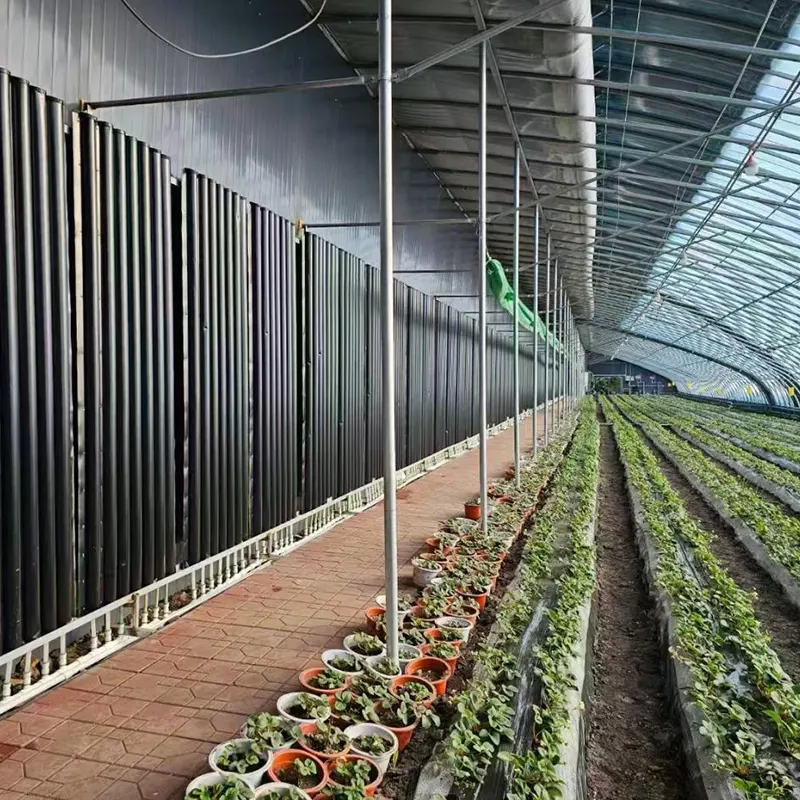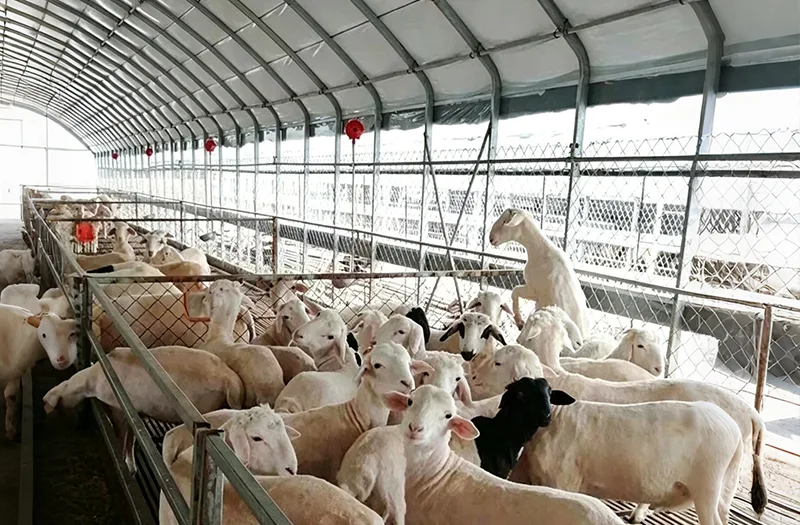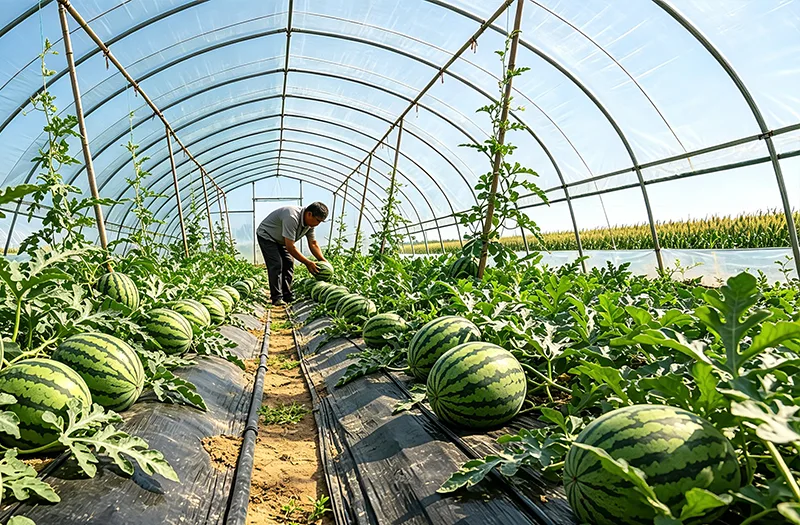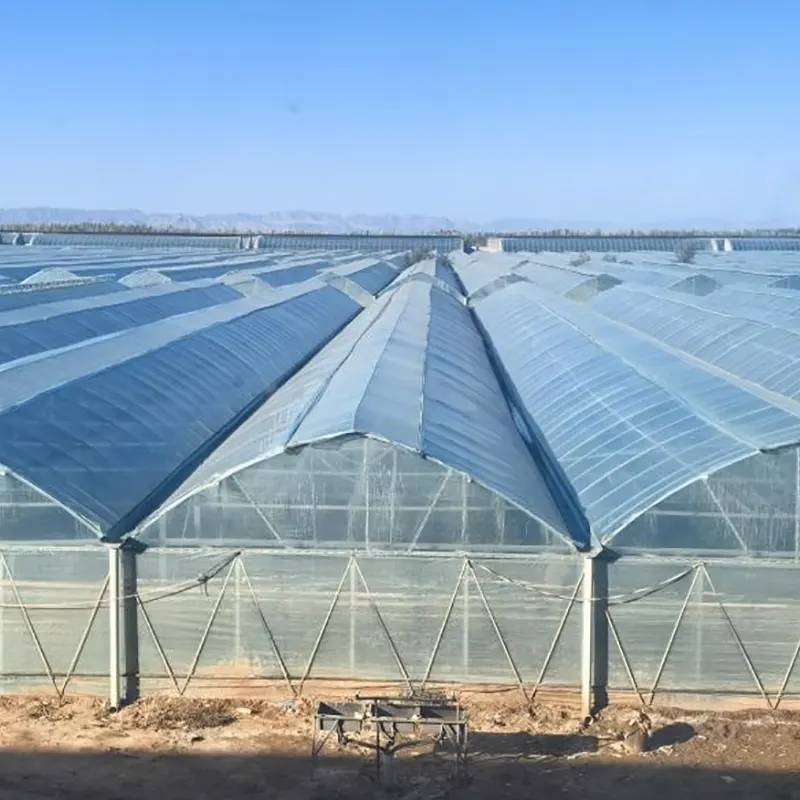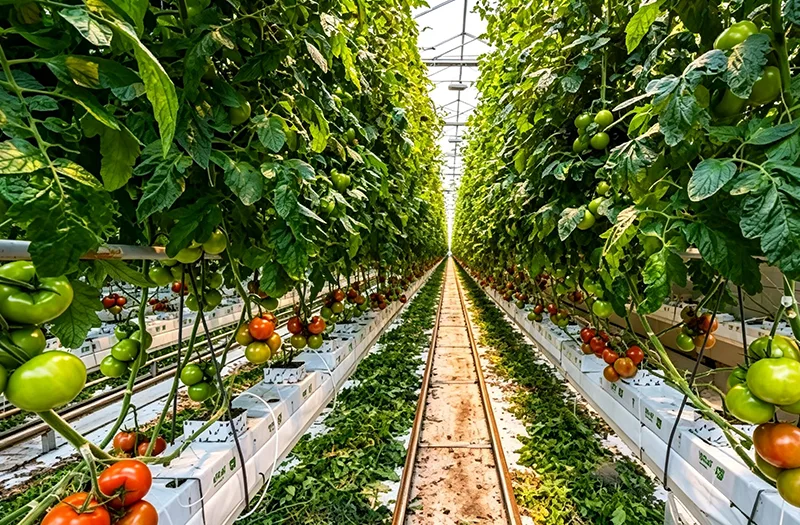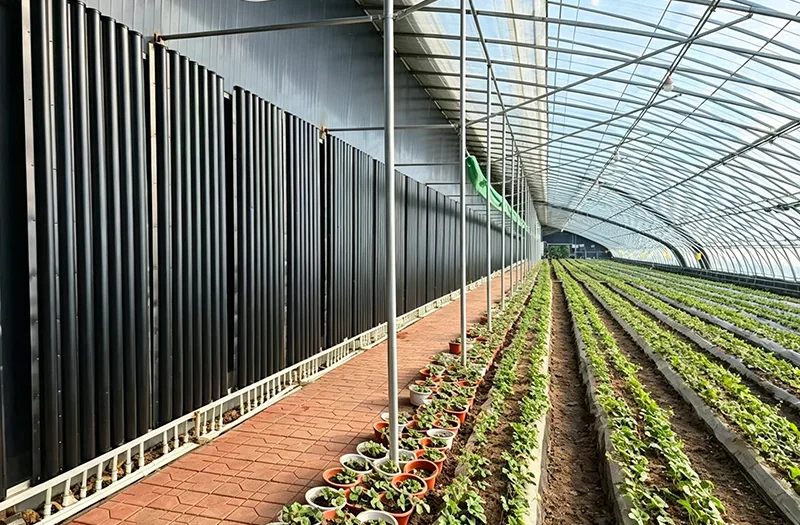
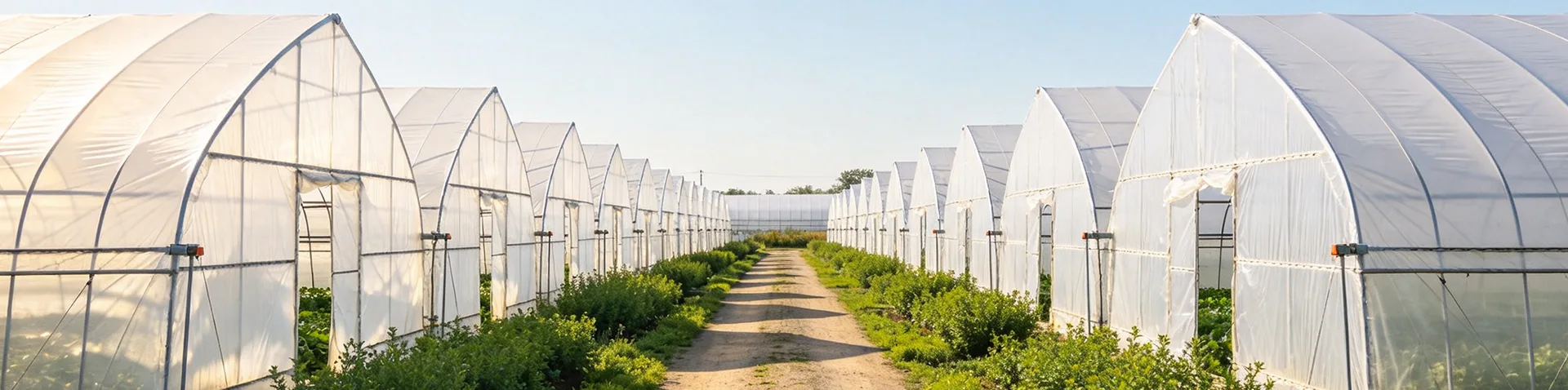
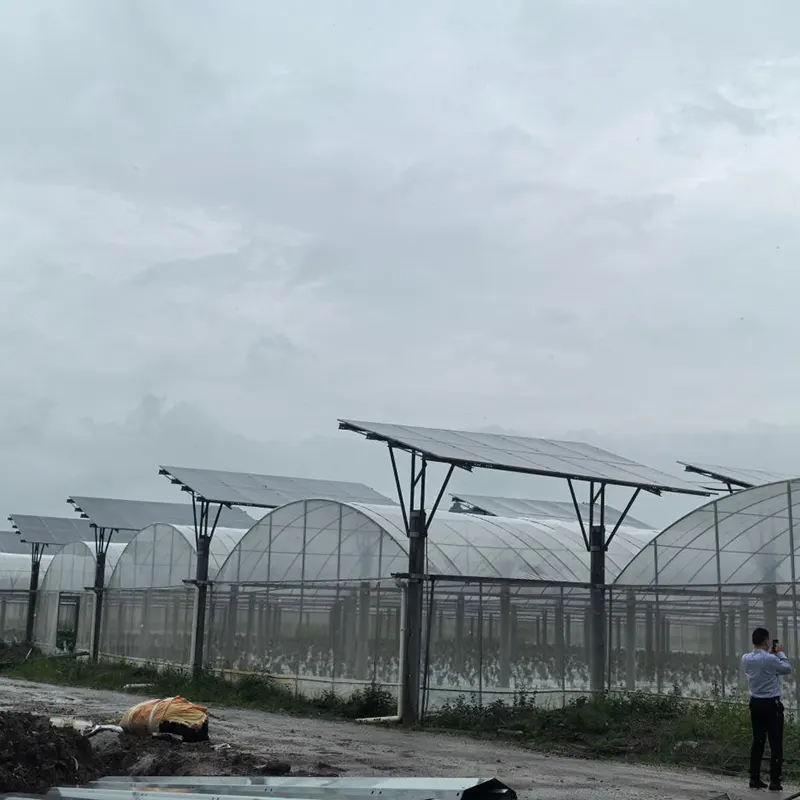
Ruize develops and manufactures agricultural Agrivoltaic Greenhouses that combine protected cultivation with photovoltaic installation. The product range includes multi-span greenhouse structures with photovoltaic roofs and independent single-span photovoltaic greenhouses. These systems are intended for agricultural parks, renewable-energy agriculture projects, energy-saving cultivation bases, and other sites where crop production and photovoltaic power generation need to be planned together. The structure, photovoltaic supports, and greenhouse configuration can be coordinated according to the crop, site dimensions, local climate, and project requirements.
The two main structures have different installation and operating characteristics. A multi-span photovoltaic roof is better suited to large connected agricultural areas, while an independent single-span system offers more flexibility for smaller farms, phased construction, and existing greenhouse upgrades.
| Comparison Item | Multi-Span Greenhouse with Photovoltaic Roof | Single-Span Greenhouse with Photovoltaic Roof |
| Structural Form | Connected multi-span steel frame with an integrated photovoltaic main beam system | Independent single-span arched greenhouse with a dedicated photovoltaic support structure |
| Space Arrangement | Large connected growing area with fewer internal obstructions and centralized management | Independent greenhouse units with separate growing zones and operation |
| Photovoltaic Load Design | Load distributed across the connected greenhouse structure with reinforced support design | Each greenhouse has its own load-bearing structure matched to the single-span scale |
| Shading Control | Photovoltaic coverage can be planned across the project for a more consistent shading arrangement | Each greenhouse can use a different photovoltaic layout according to the crop and growing area |
| Construction Mode | Suitable for large-area connected construction and agricultural parks | Can be built in stages and is suitable for smaller bases and renovation projects |
| Later Modification | Large-scale structural changes may involve more work and are better suited to fixed long-term projects | Individual units can be maintained, modified, or replaced separately |
| Machinery Compatibility | Suitable for larger agricultural machinery and centralized water and fertilizer systems | Suitable for smaller and medium-sized cultivation machinery |
| Typical Project Position | Large agricultural parks and connected cultivation projects | Small and medium-sized farms, distributed sites, and greenhouse upgrade projects |
| Core Advantage | Large-scale connected layout and centralized photovoltaic and agricultural management | Flexible installation, phased development, and easier independent operation |
A complete agricultural photovoltaic project should be planned around both the cultivation system and the photovoltaic structure. Ruize follows a defined process so that the required load, component arrangement, and greenhouse layout are considered before production begins.
Ruize produces both greenhouse structural components and photovoltaic support structures, which is particularly useful for projects where the two systems must fit together accurately. The production process can be organized around the customer's photovoltaic module dimensions, greenhouse span, support spacing, and site requirements rather than relying on an unrelated standard support system.
This approach also allows the company to handle the steel structure as a complete system, including structural members, connection components, and supporting details. For overseas projects, Ruize can prepare the components for export transportation and provide the drawings and technical information required for installation.
The photovoltaic system and greenhouse structure need to work together after installation. Several details should therefore be considered during construction:
Regular inspection helps maintain both the photovoltaic system and the supporting greenhouse structure.
Agrivoltaic Greenhouses are intended for agricultural projects that want to combine protected cultivation with photovoltaic installation. Typical applications include agrivoltaic industrial parks, shade-tolerant vegetable and fruit cultivation, flower nursery projects, rural renewable-energy demonstration facilities, and winter-protection greenhouse upgrades.
The main issue they address is the separate use of land for conventional photovoltaic installations and crop production. By planning the photovoltaic system and growing area within one structural project, the same site can serve both agricultural and energy-related functions.
Another consideration is system coordination. When a greenhouse frame and photovoltaic supports are sourced separately, differences in dimensions, connection points, and load requirements may create additional coordination work. An integrated structural design from one manufacturer can simplify this stage of the project.
Photovoltaic modules naturally create partial shading over the growing area, so the module arrangement should be determined together with the crop plan. Crops and nursery plants that can tolerate lower light levels may be easier to coordinate with denser photovoltaic coverage, while crops with higher light requirements may need more open spacing between modules.
This is why the photovoltaic layout should not be fixed before the crop requirements are understood. Ruize can coordinate support spacing and module arrangement according to the selected greenhouse type and the intended cultivation conditions.
For some existing single-span greenhouse projects, photovoltaic support components can be added after assessing the original structure. The existing frame should first be checked for its structural condition and available load capacity before any photovoltaic equipment is installed.
Where reinforcement or replacement is required, the photovoltaic support system can be planned together with the original greenhouse structure. This approach can be considered for agricultural sites that want to upgrade an existing greenhouse rather than replace the entire facility.
The greenhouse structure can be coordinated with agricultural equipment according to the cultivation plan, including ventilation systems, water and fertilizer management, temperature-control equipment, automatic irrigation, and internal or external shading systems.
For the photovoltaic side, Ruize can supply photovoltaic support structures and related connection components. Customers can also choose to source photovoltaic modules and selected agricultural equipment locally, depending on the project scope.
| Project Requirement | More Suitable Configuration |
| Large connected agricultural park | Multi-Span Greenhouse with Photovoltaic Roof |
| Centralized photovoltaic and agricultural management | Multi-Span Greenhouse with Photovoltaic Roof |
| Small or medium-sized farm | Single-Span Greenhouse with Photovoltaic Roof |
| Phased greenhouse construction | Single-Span Greenhouse with Photovoltaic Roof |
| Existing single-span greenhouse upgrade | Single-span photovoltaic support solution after structural assessment |
| Multiple crop zones with different light requirements | Independent single-span units with separately planned photovoltaic layouts |
Producing an agricultural photovoltaic greenhouse requires more than simply installing solar panels above a conventional greenhouse. The greenhouse frame needs to account for the additional photovoltaic load, while the support arrangement must match the roof structure and the intended installation method.
Ruize has production capabilities for both greenhouse steel structures and photovoltaic support components. This allows the company to coordinate the structural frame and photovoltaic support system within the same project. The two main configurations, multi-span photovoltaic roofs and single-span photovoltaic greenhouse structures, can be supplied for domestic engineering projects as well as overseas bulk orders.
The greenhouse frames use hot-dip galvanized steel, while project drawings and technical information can be provided to support structural coordination, installation, and later maintenance. For customers sourcing Agrivoltaic Greenhouses from a China manufacturer, this integrated production approach can reduce the coordination problems that may occur when the greenhouse structure and photovoltaic support system are supplied separately.
A multi-span configuration is generally more suitable for large connected agricultural parks and centralized projects. A single-span configuration offers more flexibility for small and medium-sized farms, phased construction, and independent greenhouse units.
Photovoltaic modules will create some shading, so their spacing and coverage should be selected according to the crop's light requirements. Crops that tolerate partial shade can generally be coordinated with denser coverage, while high-light crops may require more open module arrangements.
Yes. The greenhouse structure and photovoltaic support should be designed together to account for photovoltaic self-weight as well as local wind and snow loads. Ruize can provide the relevant structural arrangement and drawings according to the project requirements.
It may be possible after assessing the existing frame, connections, and available load capacity. Where necessary, reinforcement can be considered before photovoltaic supports are added.
The photovoltaic roof itself does not replace the greenhouse's normal insulation configuration. Insulation blankets, double-layer film, and other thermal-control components can still be incorporated according to the greenhouse design and local climate.
Yes. Customers can purchase the greenhouse structural components and photovoltaic support components separately and source photovoltaic modules or other agricultural equipment locally, depending on the project scope.
Yes. Support spacing and fixing positions can be adjusted according to the selected photovoltaic module dimensions and the confirmed greenhouse structural design.
Yes. The greenhouse can be coordinated with ventilation, water and fertilizer systems, automatic irrigation, temperature-control equipment, and shading systems according to the cultivation plan and available installation space.
Yes. Ruize can provide customized structural production, packing for overseas transportation, installation drawings, and remote technical guidance according to the agreed project configuration.
Copyright © 2026 Tianjin Ruize Steel Co., Ltd. All Rights Reserved.