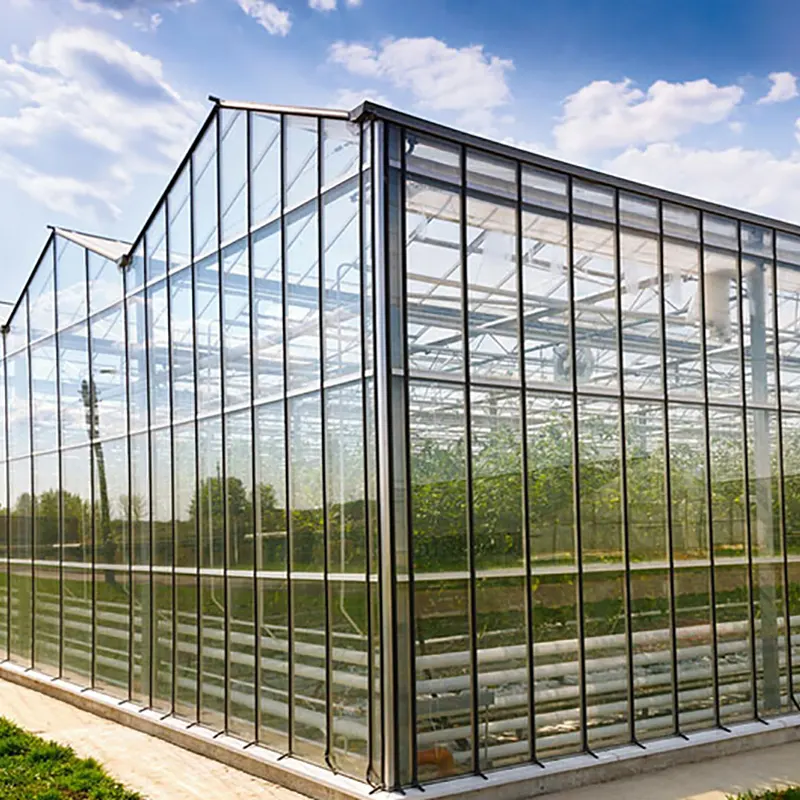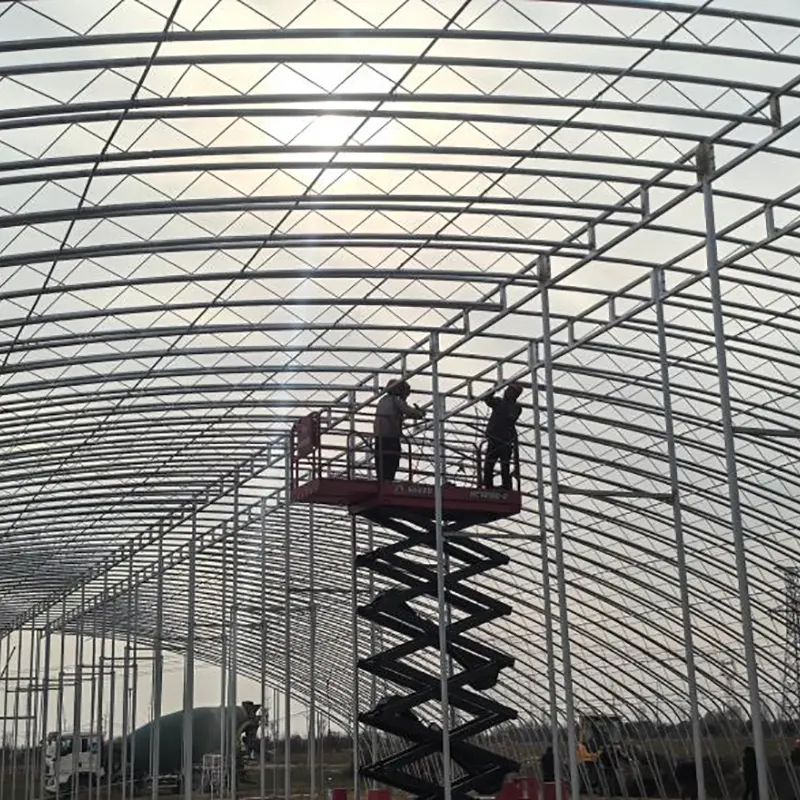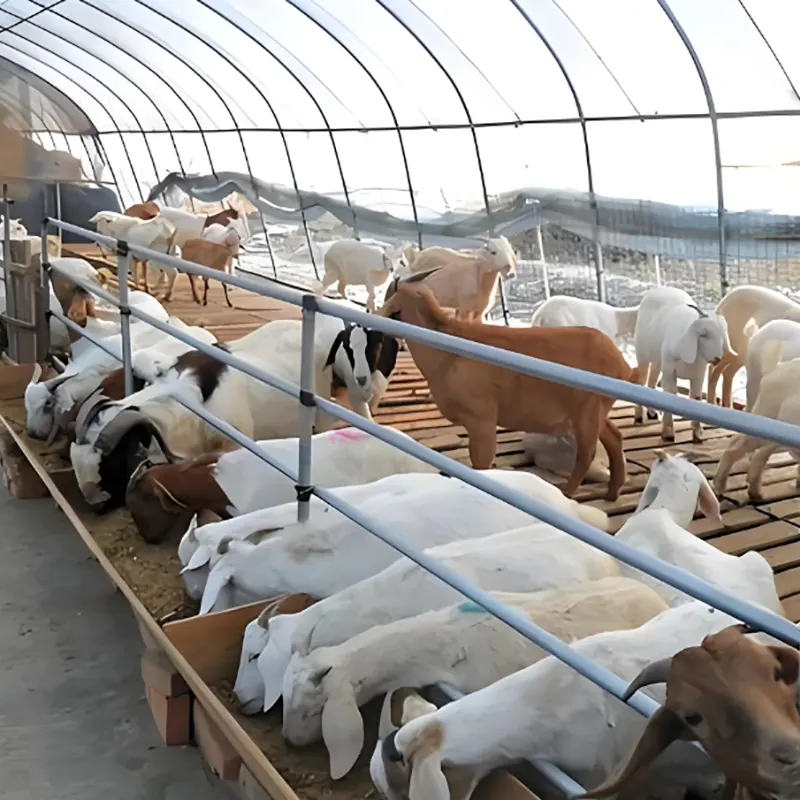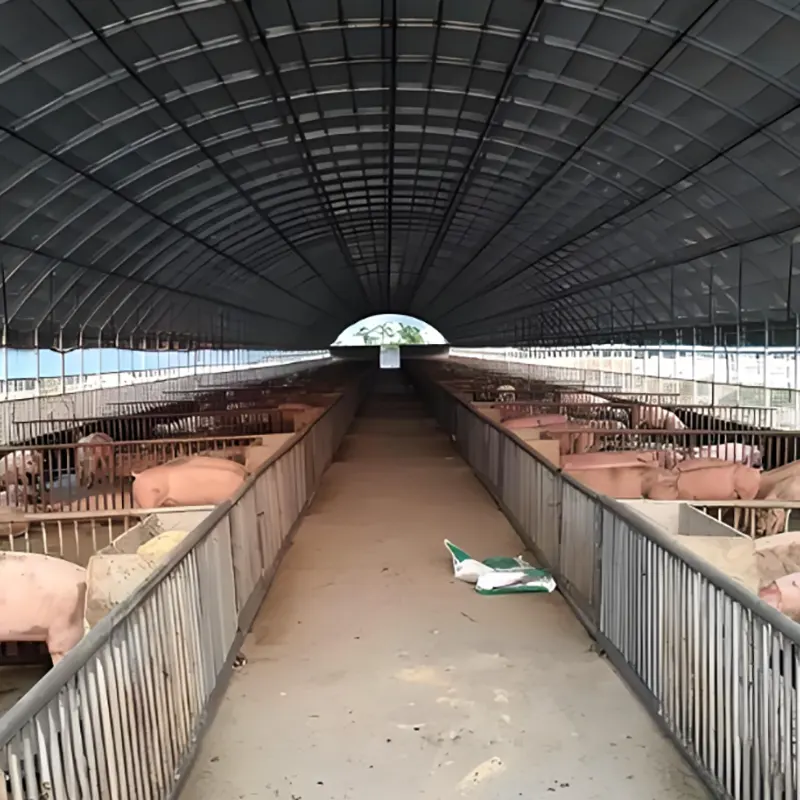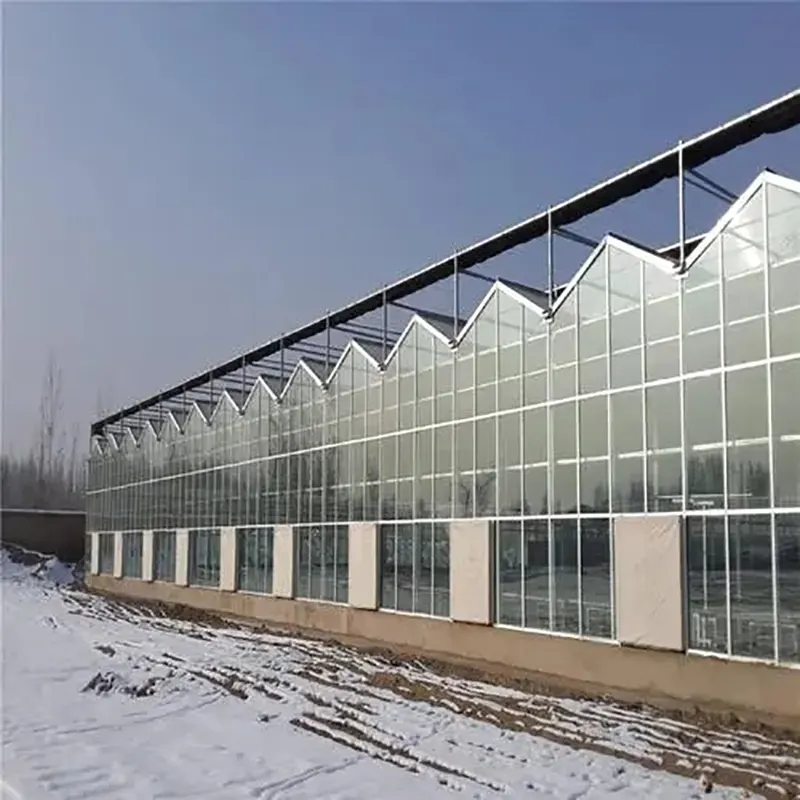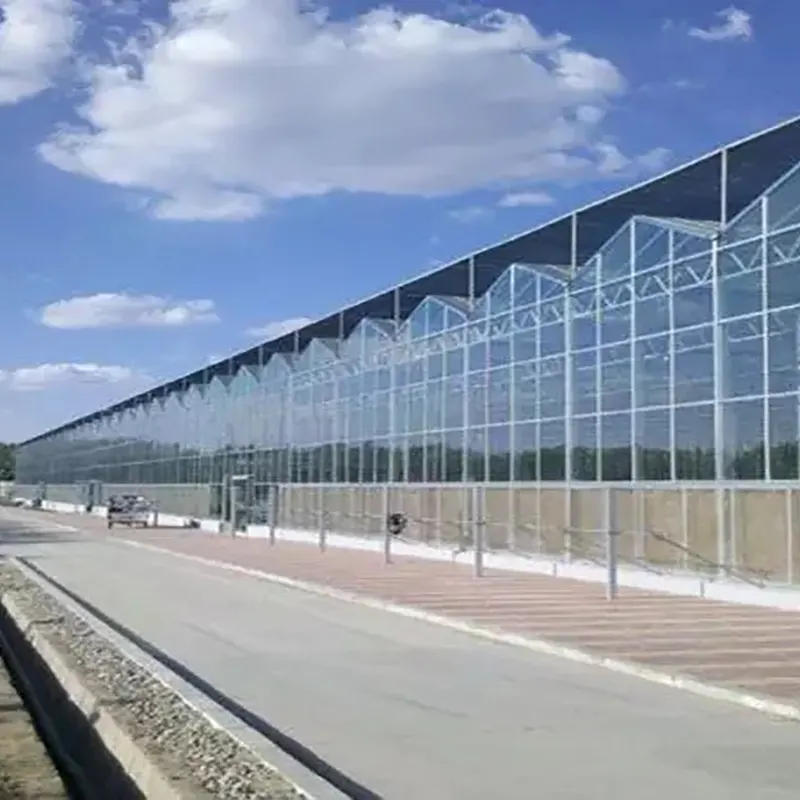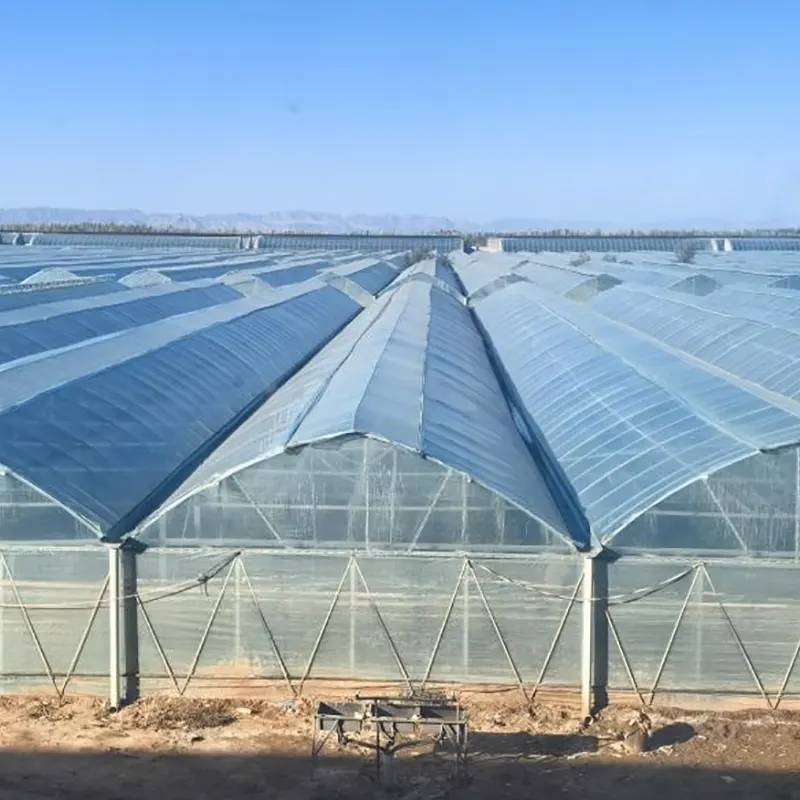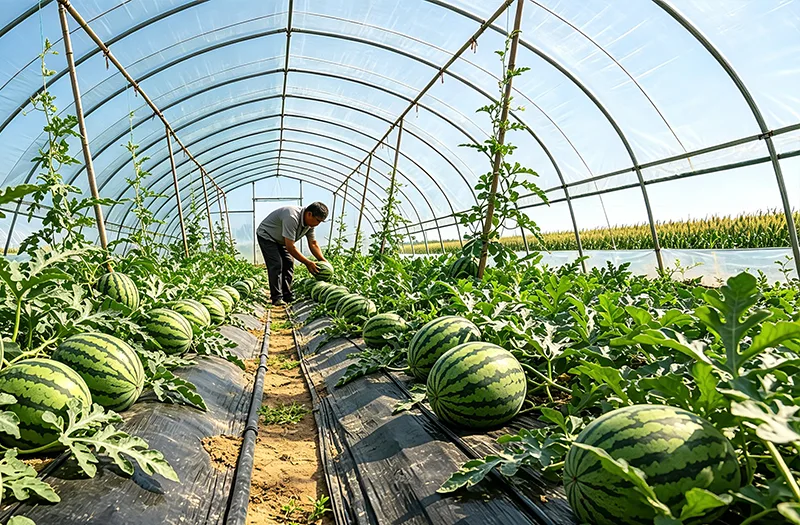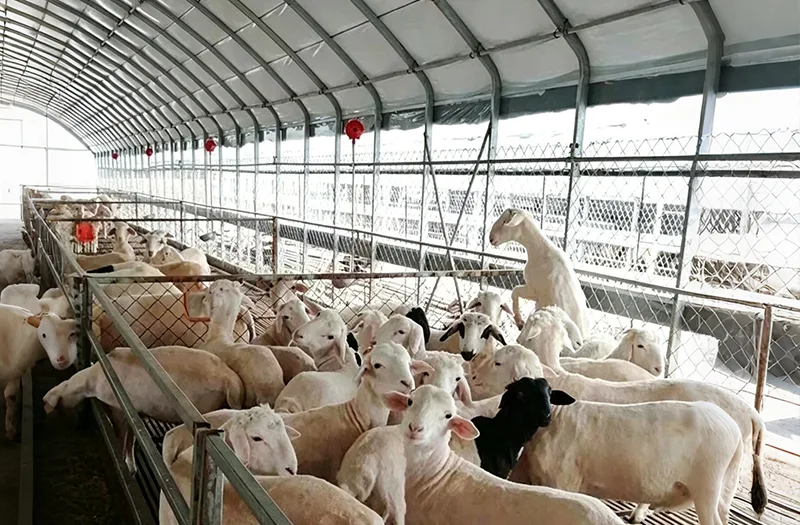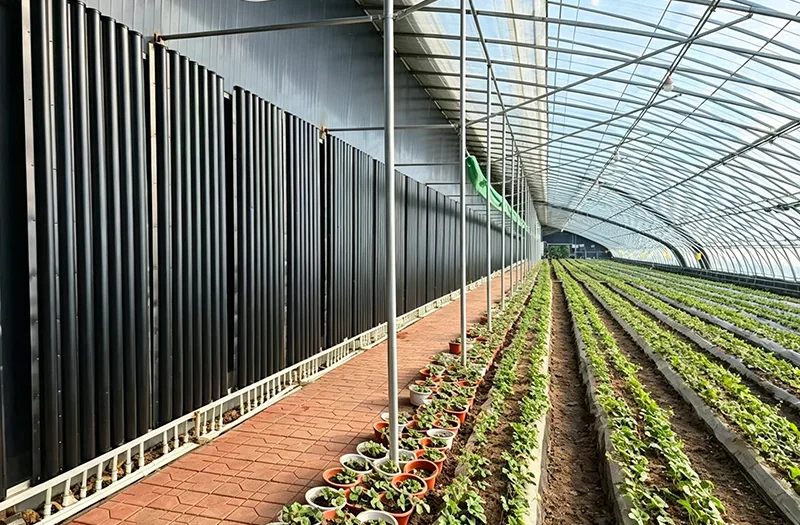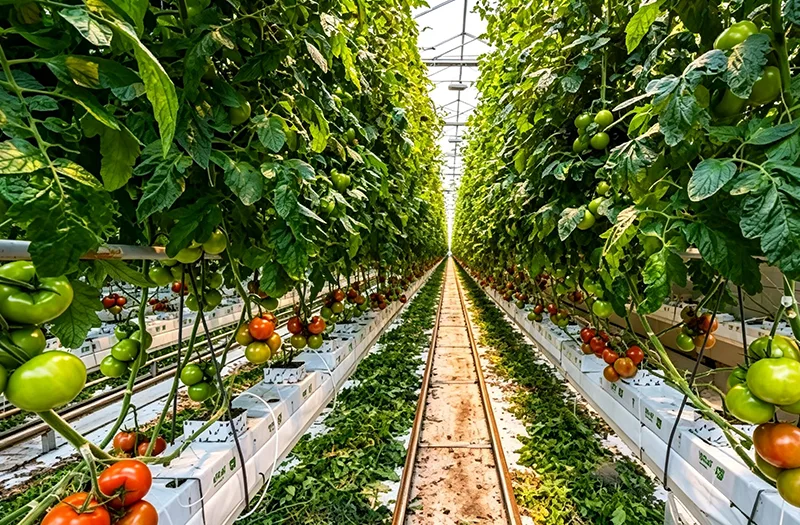

Selecting a suitable structure for animal farming requires careful consideration of climate conditions, livestock type, ventilation requirements, material durability, and daily operation needs. Livestock Greenhouses are designed for poultry housing, cattle and sheep farming, aquaculture facilities, and other agricultural projects that require a covered environment with controllable conditions.
Different farming projects have different requirements for space arrangement, moisture management, corrosion resistance, and equipment integration. Understanding these factors before structural selection helps create a facility that matches the actual farming environment.
Click the sections below to explore each topic:
Choosing a suitable agricultural structure should begin with understanding the purpose of the facility. Different farming projects involve different environmental conditions, animal behaviors, and management methods.
For poultry farming, ventilation, cleaning convenience, and internal equipment arrangement are important factors. Chicken and duck facilities usually require an environment where airflow, temperature, and humidity can be managed according to daily farming needs.
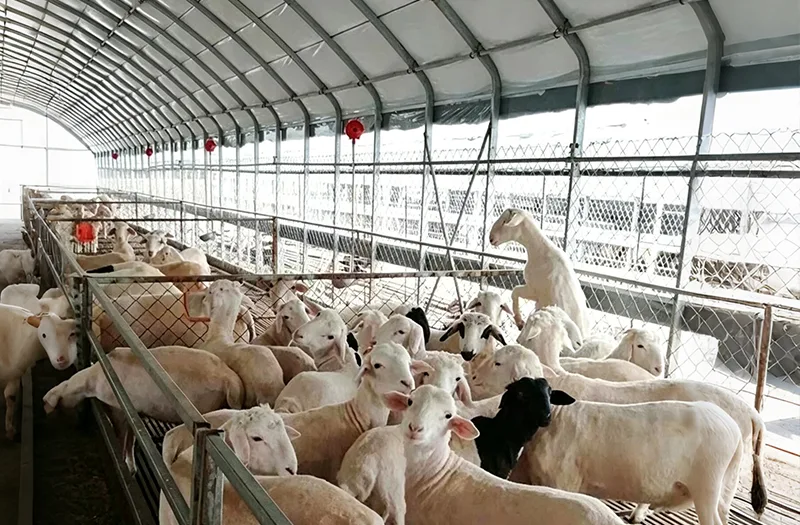
For cattle and sheep farming, the structure needs to consider larger animal movement, internal space, structural strength, and long-term durability. The layout should provide sufficient activity space while maintaining a practical management environment.
Aquaculture projects such as shrimp and crab farming have different challenges because the structures are often exposed to high humidity and water-related conditions. Moisture control and corrosion resistance become important considerations during structural planning.
A suitable farming facility is not selected only according to appearance or standard dimensions. The structure should match the farming method, animal quantity, available land, and expected operating conditions.
Before designing the facility, important information should be evaluated, including:
The combination of these factors helps determine the appropriate span, height, enclosure method, and supporting configuration.
Climate conditions directly influence the design requirements of agricultural structures. Wind, rainfall, snow, humidity, and temperature changes should all be considered before selecting a suitable solution.
Livestock facilities are often exposed to moisture, ammonia, manure, and other agricultural substances that may affect structural materials over time. Therefore, material durability is an important factor when selecting a farming structure.
Structures used in humid environments require appropriate corrosion protection methods. The material specification and surface treatment should be selected according to the expected operating environment.
Ventilation plays an important role in livestock facility design. Proper airflow helps manage internal environmental conditions and supports daily farming operations.
The ventilation arrangement should consider local climate, animal type, facility size, and supporting equipment. Different regions may require different combinations of ventilation openings, fans, cooling systems, or enclosure designs.
Different agricultural projects require different structural solutions. The selection should consider the farming scale, environmental conditions, expected service requirements, and whether the facility needs to remain in a fixed location.
Common options include prefabricated full-steel structures, brick-and-concrete buildings, and standard steel structures. Each type has different characteristics in terms of installation method, insulation performance, flexibility, and application range.
| Comparison Item | Prefabricated Full-Steel Structure | Brick-and-Concrete Building | Standard Steel Structure |
|---|---|---|---|
| Main Structure | Hot-dip galvanized steel components with clip-and-bolt assembly. No concrete enclosure walls are required. | Brick-and-concrete insulated walls combined with a galvanized steel roof frame. | Hot-dip galvanized steel arch frame with simple enclosure design. |
| Service Characteristics | Suitable for projects requiring flexible installation and possible relocation. | Suitable for fixed locations where stronger enclosure and insulation are needed. | Suitable for basic protection requirements and simpler farming applications. |
| Insulation Performance | Moderate insulation performance. Additional double-layer film or insulation materials can be considered. | Stronger thermal retention because of insulated wall construction. | Basic protection from weather conditions with limited insulation capability. |
| Relocation Possibility | Components can be dismantled and reassembled according to project requirements. | Generally difficult to relocate because of fixed construction. | Can be dismantled, but repeated relocation may affect components. |
| Wind and Snow Resistance | Structural specifications can be reinforced according to local wind and snow conditions. | Provides strong overall structural performance for permanent buildings. | Suitable for areas with lower structural load requirements. |
| Typical Applications | Poultry housing, livestock projects, and agricultural facilities requiring flexible layouts. | Large fixed farming bases requiring enclosed environments. | Small-scale farming and seasonal agricultural applications. |
The project scale is an important factor when selecting a suitable structure. Small farming operations may focus more on simple installation and practical use, while larger agricultural projects may require stronger structural planning, equipment integration, and long-term operation considerations.
For farms located on leased land or projects that may require future relocation, flexible prefabricated structures can provide more adaptability. For permanent agricultural bases, fixed buildings may be considered when stronger enclosure performance is required.
Agricultural facilities operate in environments that are different from ordinary buildings. Continuous exposure to moisture, ammonia, manure, and changing weather conditions requires careful consideration of structural materials and manufacturing processes.
Ruize integrates steel structure production, structural design, customization, installation coordination, and project support for agricultural facilities. The production process focuses on adapting structural components to different farming environments and application requirements.
The production process includes multiple stages to ensure that structural components meet the requirements of livestock farming environments.
Each structural component is processed according to the intended application. The dimensions and configuration can be adjusted according to the livestock type, local climate, and expected operating conditions.
For international agricultural projects, structural components need to be prepared carefully before transportation. Proper packaging helps simplify inspection, handling, and installation after arrival.
Different farming projects have different requirements for space arrangement, ventilation, structural strength, and equipment installation. A suitable facility should be developed according to the actual application instead of using one identical configuration for every project.
Structural customization may include span, length, eave height, ventilation openings, enclosure methods, and supporting system interfaces.
| Project Factor | Design Considerations |
|---|---|
| Livestock Type | Different animals require different internal space, ventilation, and management arrangements. |
| Site Conditions | Available land area, foundation conditions, access routes, and future expansion plans. |
| Climate Environment | Wind, rainfall, snow, humidity, and seasonal temperature changes. |
| Equipment Requirements | Ventilation, feeding, drinking, cooling, manure removal, and monitoring systems. |
| Operating Method | Daily management methods and expected facility usage conditions. |
Depending on the project requirements, the structure can be planned together with supporting agricultural equipment.
Planning these systems during the design stage helps ensure that structural components and equipment interfaces can work together more effectively.
Correct installation is essential for maintaining the expected performance of agricultural structures. Foundation preparation, frame assembly, connection quality, and equipment installation should all follow the project design requirements.
The foundation should be prepared according to local soil conditions, wind environment, snow conditions, and structural requirements. Accurate positioning helps ensure that steel components can be assembled correctly.
During frame installation, galvanized surfaces should be protected from unnecessary damage. Connections should be checked carefully to ensure structural stability.
Regular inspection should focus on structural connections, enclosure components, ventilation accessories, and areas exposed to continuous moisture or corrosive agricultural conditions.
Replacing damaged components when necessary can help maintain the overall condition of the facility and support continuous farming operations.
Different agricultural projects have different requirements for structural design and internal management. The suitable facility configuration depends on the animal type, environmental conditions, farming method, and supporting equipment requirements.
Poultry farms require structures that provide suitable ventilation, convenient cleaning conditions, and practical equipment arrangements. The internal space should support daily feeding, drinking, management, and environmental control activities.
For chicken and duck farming projects, structural planning should consider airflow routes, temperature management, humidity control, and the installation positions of automatic equipment.
Cattle and sheep farming facilities require consideration of animal size, movement space, structural strength, and operational convenience. Compared with smaller livestock projects, larger animals require more attention to internal layout and frame stability.
The structure should provide sufficient space for animal activities while allowing farming operators to organize feeding areas, access routes, and management zones effectively.
Aquaculture projects such as shrimp and crab farming often operate in environments with high humidity and continuous exposure to water vapor. These conditions create higher requirements for corrosion resistance and enclosure design.
The structural configuration should be selected according to the specific aquaculture environment, including moisture conditions, ventilation requirements, and expected operating conditions.
For smaller agricultural projects or seasonal farming applications, a simpler structural solution may be more suitable. The design can focus on practical installation, basic protection, and convenient operation.
Before selecting a suitable agricultural structure, customers should prepare basic project information to help determine the appropriate configuration.
| Information Required | Why It Matters |
|---|---|
| Animal or Aquaculture Type | Different species have different requirements for ventilation, space, humidity, and equipment arrangement. |
| Site Location | Local climate conditions influence structural design and material selection. |
| Available Land Area | The site size affects span, length, internal layout, and future expansion planning. |
| Farming Method | Different management methods require different internal arrangements and supporting systems. |
| Equipment Requirements | Ventilation, feeding, cooling, and monitoring systems need suitable structural interfaces. |
The selection depends on the farming purpose, animal type, climate conditions, site requirements, and expected operating conditions. Prefabricated full-steel structures are suitable when flexible installation is required, while fixed buildings may be considered for long-term locations requiring stronger enclosure performance.
Steel structures with suitable corrosion protection can be used in humid agricultural environments. Material selection, surface treatment, ventilation design, and maintenance planning should be considered according to the actual operating conditions.
Yes. Structural parameters such as span, length, eave height, ventilation openings, and equipment interfaces can be adjusted according to livestock quantity, site conditions, climate environment, and farming requirements.
Yes. Different configurations can be considered for poultry housing, cattle and sheep farming, shrimp and crab aquaculture, and other agricultural applications. The final structure should match the specific environmental requirements.
Yes. Depending on the project requirements, supporting systems such as ventilation equipment, cooling systems, automatic feeding lines, drinking systems, manure-removal equipment, and disinfection systems can be considered during structural planning.
After installation, inspections should focus on structural connections, enclosure components, ventilation systems, and areas exposed to moisture or corrosive agricultural conditions. Regular maintenance helps maintain the condition of the facility.
Standard structural and connection components can be prepared separately when required for maintenance, repair, or future expansion. This allows individual parts to be replaced without rebuilding the entire facility.
Yes. Poultry, cattle, sheep, and aquaculture projects have different requirements for ventilation, internal space, enclosure, and equipment arrangement. The structural design should be selected according to the specific application.
When planning agricultural facilities, selecting a suitable structure requires consideration of livestock type, climate environment, material durability, equipment requirements, and future operating conditions. A practical design should be based on the actual farming situation rather than a fixed standard configuration.
For projects requiring customized structural planning, ventilation arrangement, and agricultural facility solutions, please contact us to discuss your requirements.
Copyright © 2026 Tianjin Ruize Steel Co., Ltd. All Rights Reserved.