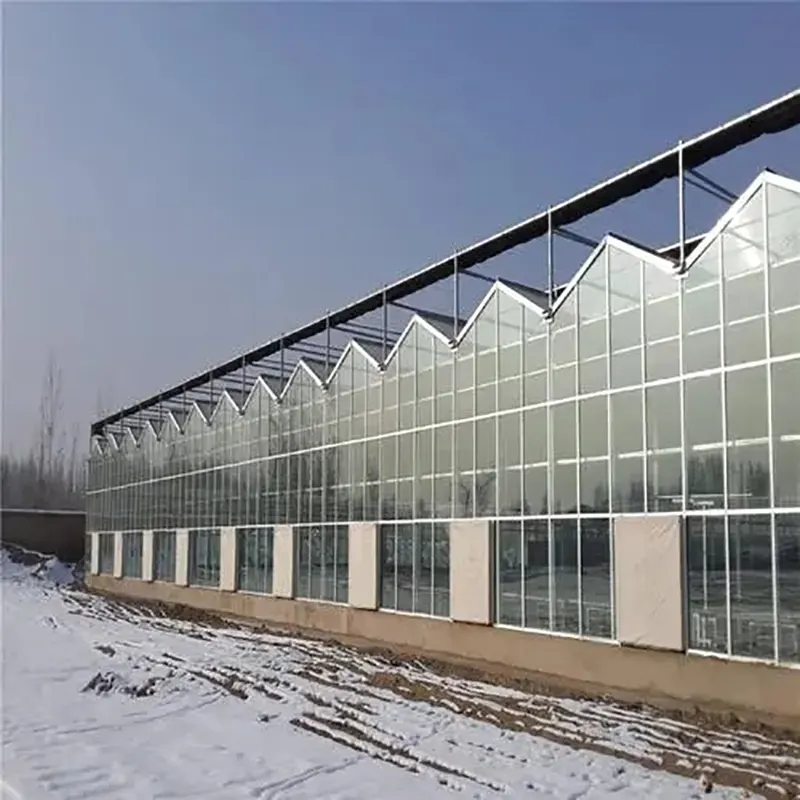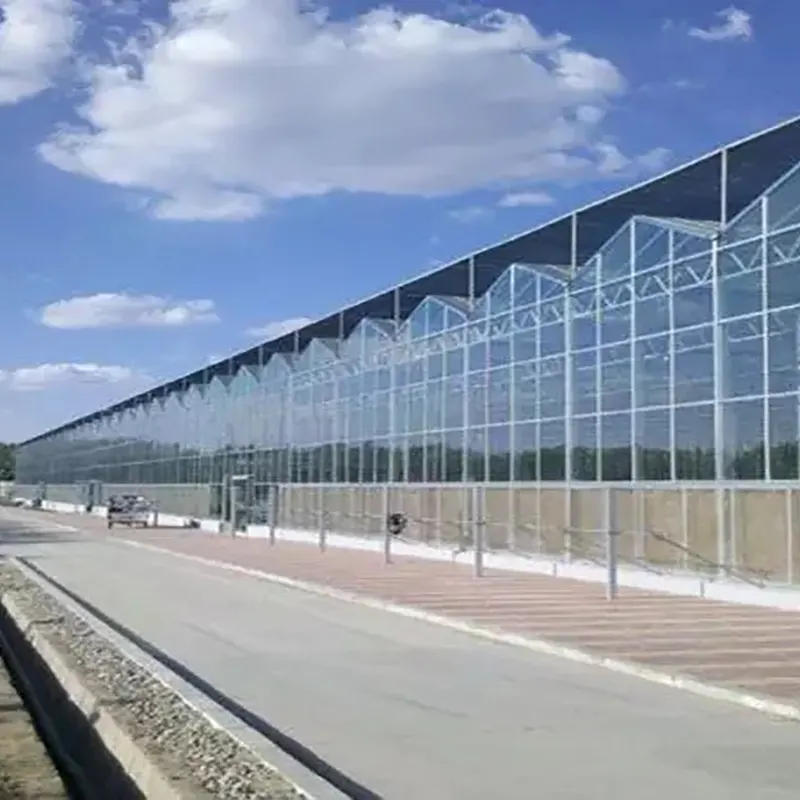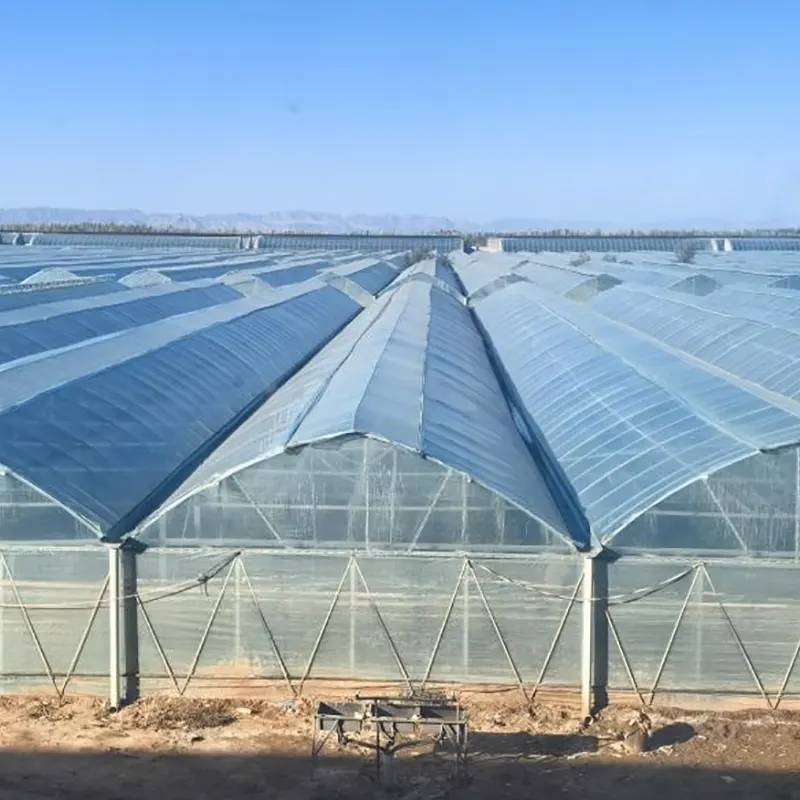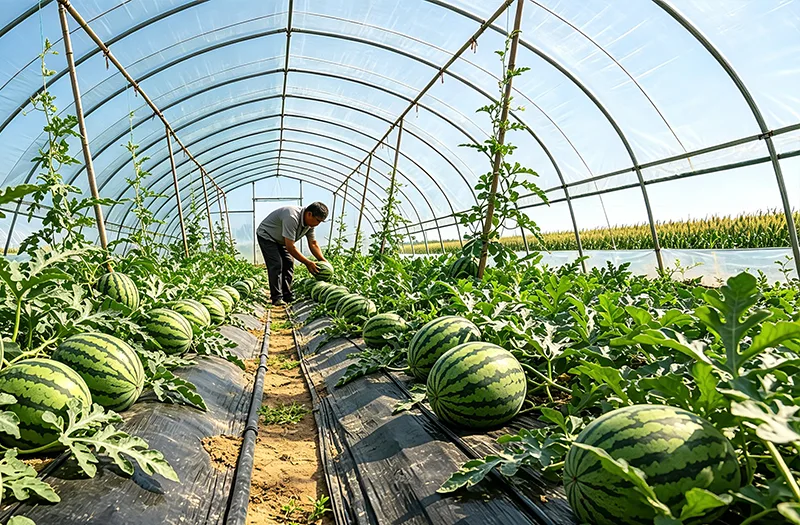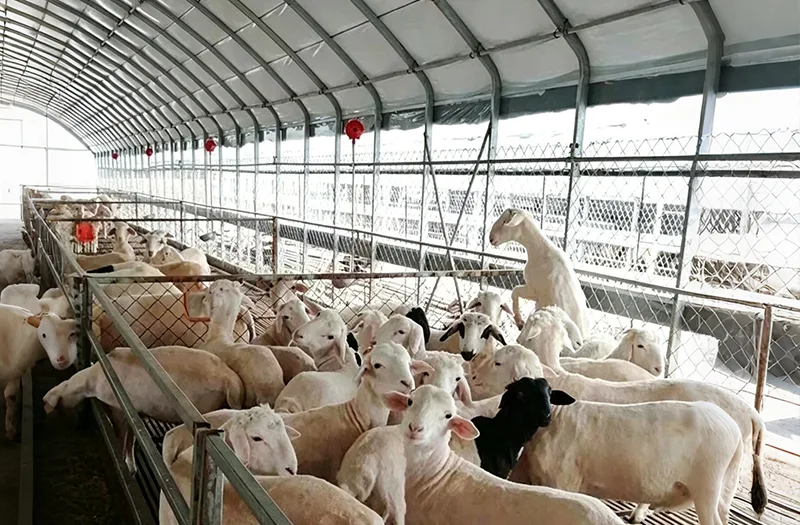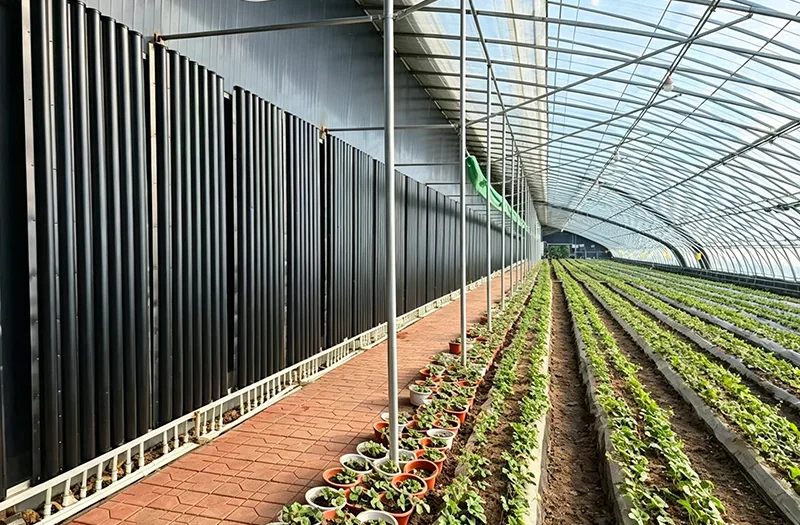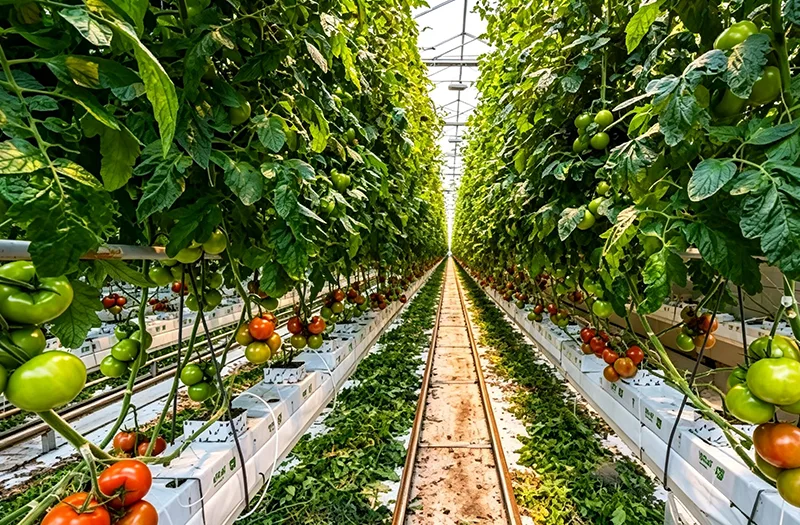

Film Multi-Span Greenhouses provide commercial growers with a practical way to expand protected cultivation, organize large planting areas, and manage growing conditions. This guide explains their structural design, covering materials, ventilation, drainage, climate considerations, installation requirements, and purchasing decisions to help agricultural businesses select a greenhouse system suited to their crops, climate, and budget.
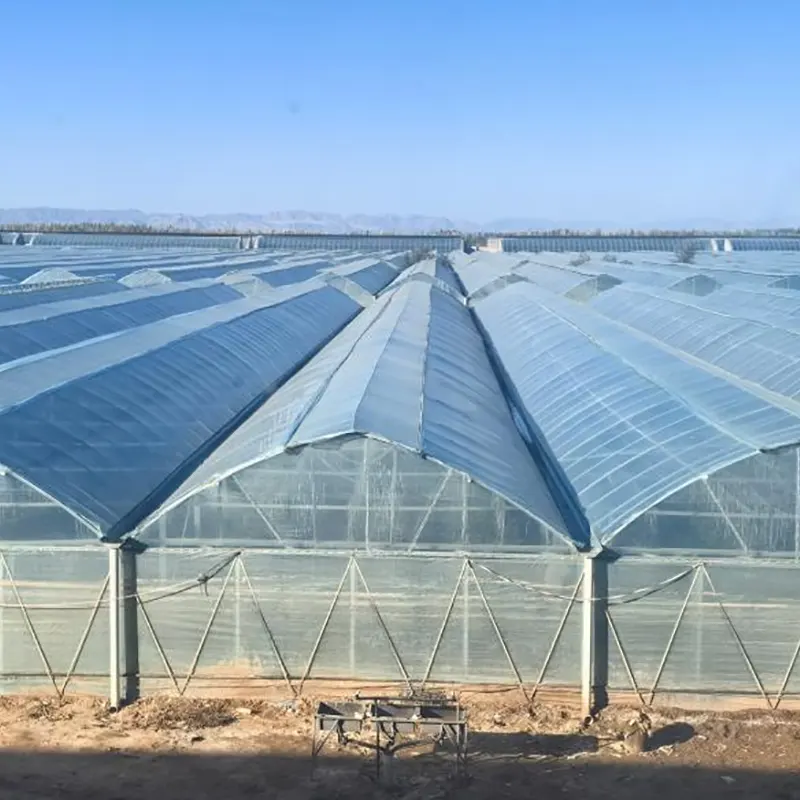
1. What Are Film Multi-Span Greenhouses?
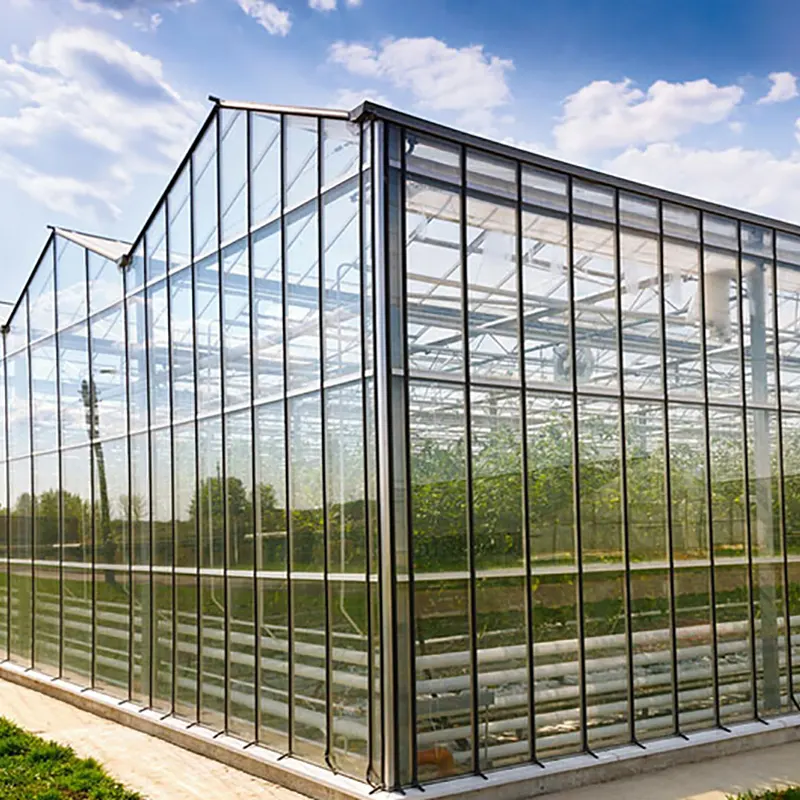
Film Multi-Span Greenhouses are agricultural structures formed by connecting multiple greenhouse spans side by side under a coordinated roof and supporting framework. Their roofs and walls are covered with specialized greenhouse film, while the steel frame supports the covering and helps the building withstand the loads expected under its intended operating conditions.
Unlike separate single-span tunnels, a connected multi-span layout creates a larger continuous cultivation area. This arrangement can simplify the organization of planting beds, irrigation lines, access aisles, and selected environmental control systems.
For commercial growers, the main advantage is the ability to develop a scalable production facility without treating every growing section as an independent building. The final performance, however, depends on the quality of the design, materials, installation, and day-to-day management.
Why Do Commercial Growers Choose This Structure?
- Efficient land use: Connected spans can reduce the space occupied by gaps between separate greenhouse units.
- Flexible expansion: Repeated structural modules can support phased development when the site and original design allow it.
- Practical covering costs: Greenhouse film generally offers a lower initial covering cost than many rigid glazing systems.
- Integrated operations: Larger growing areas can accommodate coordinated irrigation, ventilation, shading, and crop management.
- Adaptable layouts: Dimensions and optional systems can be selected around the crop, production method, and available land.
These advantages make film-covered multi-span systems worth considering for farms that need to expand capacity while keeping construction and operating requirements manageable.
2. How Does the Greenhouse System Work?
A multi-span greenhouse works by combining structural support, a light-transmitting covering, ventilation openings, and optional agricultural equipment into one coordinated growing environment.
Sunlight passes through the film and reaches the plants. The enclosure helps protect crops from direct exposure to wind and rainfall, while ventilation openings allow heat and moisture to escape. Depending on the crop and climate, additional equipment can regulate temperature, humidity, irrigation, and shading.
The interconnected roof and gutter arrangement also influences how rainwater is collected and discharged. Proper drainage is especially important because water accumulation can increase structural loads and create operational problems.
Key Systems and Their Functions
| System | Primary Function | What Buyers Should Evaluate |
|---|---|---|
| Steel framework | Supports the roof, film, and applicable equipment loads. | Structural design, corrosion protection, connections, and anchoring. |
| Greenhouse film | Transmits light and provides a protective enclosure. | Thickness, optical properties, UV stabilization, and expected service conditions. |
| Ventilation | Helps remove excess heat and moisture. | Opening area, airflow paths, control method, and local climate. |
| Drainage | Directs rainwater away from the roof and structure. | Gutter capacity, outlets, maintenance access, and rainfall intensity. |
| Irrigation | Delivers water to the growing area. | Crop demand, water quality, distribution uniformity, and automation. |
| Shading and cooling | Help manage solar heat and growing conditions. | Crop requirements, energy use, installation space, and maintenance. |
These systems must be planned together. For example, installing cooling equipment without sufficient airflow or selecting a roof configuration that restricts ventilation can limit the benefits of the overall greenhouse investment.
3. What Are the Main Structural Components?
A reliable greenhouse begins with a frame designed for the dimensions, environmental conditions, and operational requirements of the project. Each component contributes to the stability and usability of the complete structure.
Steel Columns and Foundations
Columns transfer loads from the greenhouse framework to the foundations. Their dimensions, spacing, connections, and anchoring arrangements should be determined through appropriate structural design. Foundation requirements depend on soil conditions, local engineering criteria, and the loads transmitted by the frame.
Roof Arches or Trusses
Arched and truss-based roof configurations are common options for film-covered greenhouses. Roof geometry affects interior clearance, light distribution, rainwater runoff, material requirements, and ventilation arrangements. The most appropriate configuration depends on the crop and project conditions rather than appearance alone.
Gutters, Purlins, and Bracing
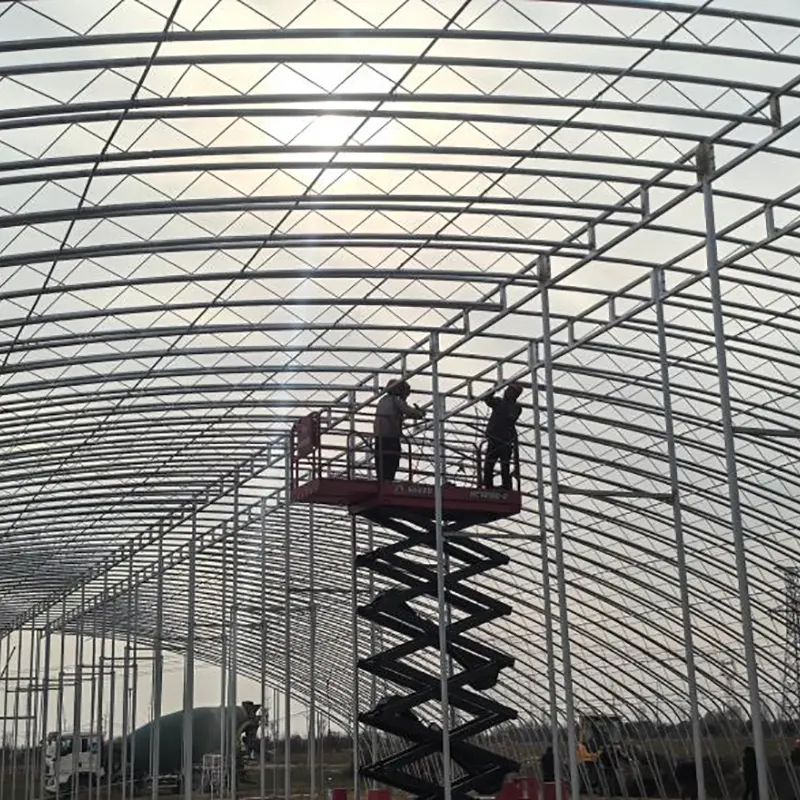
Gutters connect adjacent spans and help collect rainwater. Purlins support roof elements and provide attachment points for the covering system. Bracing and properly designed connections help stabilize the frame against applicable lateral and other loads.
Corrosion Protection
Greenhouse interiors can experience persistent humidity, condensation, irrigation spray, and fertilizer-related exposure. Appropriate corrosion protection is therefore essential. Galvanized steel is commonly used, but buyers should confirm the specified coating, fabrication details, environmental suitability, and maintenance requirements.
Working with an experienced steel structure supplier such as Tianjin Ruize Steel Co., Ltd. can help buyers coordinate structural requirements and material specifications for their projects. Final dimensions, member sizes, and connection details should be confirmed against project-specific engineering requirements.
4. How Should Greenhouse Film Be Selected?
The film covering directly affects light transmission, heat management, moisture behavior, and maintenance costs. Selecting the lowest-priced film without reviewing its properties may lead to premature replacement or unsuitable growing conditions.
Important Film Characteristics
- Thickness: The appropriate thickness depends on the film specification, installation method, local weather, and expected service life. Greater thickness alone does not guarantee better overall performance.
- Light transmission: Evaluate the amount and quality of light reaching the crop, especially for light-sensitive vegetables, flowers, and seedlings.
- UV stabilization: UV-resistant formulations can help reduce degradation from sunlight exposure.
- Anti-drip properties: Suitable treatments can help reduce water droplets forming on the inner surface, depending on the product and operating conditions.
- Thermal properties: Some films are designed to influence heat retention, which may be useful for particular crops and climates.
- Replacement compatibility: Film dimensions, attachment profiles, and fixing methods should match the existing greenhouse structure.
Buyers should request technical datasheets and confirm the supplier's stated performance conditions. Film lifespan varies with material formulation, solar exposure, climate, installation tension, chemicals, and maintenance, so a universal service-life estimate is rarely appropriate.
Film Greenhouses Compared With Other Covering Options
| Covering Type | Potential Advantages | Main Considerations |
|---|---|---|
| Greenhouse film | Relatively economical initial covering and flexible installation. | Periodic inspection and replacement are required. |
| Polycarbonate panels | Rigid covering with different insulation and durability options. | Panel joints, thermal movement, support spacing, and initial cost. |
| Glass | Long-lasting transparent glazing when properly designed and maintained. | Greater weight, higher structural demands, and more precise installation. |
The comparison should consider total ownership cost, including the supporting structure, installation, maintenance, replacement, and energy use, rather than the covering material alone.
5. How Can Ventilation Improve Growing Conditions?
Temperature and humidity can rise rapidly inside a greenhouse when solar radiation is strong and airflow is insufficient. Excess heat may reduce plant growth, affect fruit quality, and increase stress during critical growing stages. High humidity can also encourage certain plant diseases when other conditions are favorable.
Ventilation should therefore be treated as a core design requirement, not an accessory added after construction.
Natural Ventilation
Roof vents and side openings allow air to move through the greenhouse under suitable wind and temperature conditions. Their effectiveness depends on opening size, height differences, prevailing winds, surrounding obstructions, and the internal layout.
Mechanical Cooling
Fans and evaporative cooling pads can help manage heat when natural ventilation is insufficient. Evaporative cooling is less effective in already humid air, so the local climate must be assessed before selecting the system.
Shading and Environmental Controls
Shading screens can reduce excessive solar radiation, while automated controls can operate vents, fans, or irrigation according to sensor readings. Automation may improve consistency and reduce manual workload, but it introduces additional costs and maintenance requirements.
For successful operation, growers should consider ventilation capacity, crop density, irrigation practices, seasonal weather, and the availability of electricity and water as part of the same plan.
6. What Are the Main Applications and Benefits?
Film Multi-Span Greenhouses are suitable for a range of protected-cultivation projects where growers need a large covered area and a practical balance between initial investment and production requirements.
Commercial Vegetable Production
Tomatoes, cucumbers, peppers, leafy vegetables, and other crops can benefit from a protected growing environment. The layout can be coordinated with planting rows, irrigation equipment, crop supports, and harvesting access.
Flower and Nursery Operations
Flower producers and nurseries can use connected spans to organize growing zones, seedling propagation, and crop batches. Shading, ventilation, and humidity management should be selected according to the specific plants being grown.
Large-Scale Farm Expansion
Modular layouts can support phased expansion where land availability, utilities, drainage, and the original structural design permit future additions. Expansion should be considered early so that the initial project does not create avoidable limitations.
Potential Business Benefits
- More continuous cultivation space within a planned site footprint.
- Opportunities to coordinate labor, irrigation, and crop handling.
- Flexible integration of ventilation, shading, and other growing systems.
- Potentially lower initial covering costs than certain rigid glazing alternatives.
- Adaptability to different crop plans and commercial production scales.
These benefits are not automatic guarantees of higher yields or lower operating expenses. Results depend on crop selection, greenhouse management, climate control, energy prices, labor efficiency, and the quality of the completed installation.
7. How Should Buyers Evaluate Design and Climate Requirements?
A greenhouse that performs well in one region may not be suitable for another without design adjustments. Wind exposure, snow, rainfall, temperature extremes, soil conditions, and corrosion risks all influence the required structure and supporting systems.
Match the Design to Local Conditions
Before finalizing a project, provide the supplier or engineer with the installation location and applicable design criteria. The structural design should account for relevant loads, including wind, snow where applicable, and the weight of supported equipment. Foundation design and local permitting requirements must also be addressed.
Plan Dimensions Around the Crop
Span width, gutter height, ridge height, column spacing, and overall length should be coordinated with crop height, planting rows, machinery access, ventilation openings, and equipment installation.
Wider spans can provide more open interior space but may increase structural demands. Higher roofs can increase usable vertical clearance and air volume, but may also affect construction costs, heating requirements, and ventilation design.
Confirm Project Interfaces
Structural planning should identify where vents, irrigation lines, screens, crop-support wires, fans, and other equipment will connect to the frame. Additional loads should be evaluated rather than attached to convenient members without verification.
Tianjin Ruize Steel Co., Ltd. can be included in the structural supply discussion when buyers are coordinating steel requirements for agricultural projects. Buyers should clarify the supplier's actual scope, available engineering documents, fabrication specifications, and responsibility for local code compliance before placing an order.
8. How Can Installation and Maintenance Reduce Costs?
Even a well-designed greenhouse can experience problems if the foundation, frame alignment, film installation, drainage, or ventilation equipment is poorly executed. A clear installation sequence and regular inspection schedule can reduce avoidable repair work.
Before Installation
- Verify site dimensions, ground conditions, access routes, and drainage plans.
- Check that the foundation layout matches the approved drawings.
- Confirm component quantities, identification marks, fasteners, and installation instructions.
- Arrange suitable equipment and qualified personnel for assembly.
During Installation
- Check column alignment, frame geometry, connections, and anchoring.
- Follow the specified tightening and bracing sequence.
- Install film using the approved attachment method and appropriate tension.
- Test vents, fans, pumps, controls, and drainage paths before planting.
During Routine Operation
- Inspect the film for tears, loosened fixings, abrasion, and signs of aging.
- Remove debris from gutters and drainage outlets.
- Check exposed steel, fasteners, and connections for corrosion or damage.
- Clean ventilation equipment and confirm that moving components operate correctly.
- Inspect the structure after severe weather and arrange qualified assessment if damage is suspected.
Maintenance intervals should reflect local weather, material recommendations, greenhouse use, and manufacturer instructions. Repairs to load-bearing components should be assessed by qualified personnel rather than improvised in the field.
9. What Should Buyers Check Before Purchasing?
When comparing suppliers, buyers should evaluate the complete project scope rather than relying on the quoted price per square meter. Two proposals may use similar greenhouse descriptions but differ significantly in structural specifications, film quality, accessories, documentation, and installation support.
Essential Information for a Quotation
| Requirement | Information to Provide or Confirm |
|---|---|
| Project location | Country, region, site conditions, and applicable climate criteria. |
| Greenhouse dimensions | Total width and length, span arrangement, gutter height, and ridge height. |
| Crop requirements | Crop type, planting density, working clearance, and growing method. |
| Structural specifications | Steel grade, member dimensions, corrosion protection, connections, and anchoring. |
| Covering and ventilation | Film specifications, fixing method, vent configuration, and optional equipment. |
| Supply scope | Included components, excluded items, packing, delivery, and installation responsibilities. |
| Technical documentation | Drawings, material schedules, installation instructions, and required engineering documents. |
| After-sales support | Warranty terms, spare parts, technical assistance, and replacement procedures. |
Evaluate Total Ownership Cost
The purchase price is only one part of the investment. Buyers should also estimate installation, foundations, ventilation equipment, water and electricity infrastructure, film replacement, routine maintenance, and expected operating expenses.
A suitable greenhouse is not necessarily the cheapest available option. It is the system that meets the project's structural, agricultural, and operational requirements at an acceptable overall cost.
Before confirming an order with Tianjin Ruize Steel Co., Ltd. or another supplier, request a clearly itemized quotation and ensure that the technical specifications and supply boundaries are documented in writing.
10. Frequently Asked Questions
What is a Film Multi-Span Greenhouse?
A Film Multi-Span Greenhouse is a connected greenhouse structure consisting of multiple spans covered with agricultural film. It provides a continuous protected growing area for commercial crops, nurseries, flowers, and other agricultural applications.
What crops can be grown in a multi-span film greenhouse?
Common applications include tomatoes, cucumbers, peppers, leafy vegetables, strawberries, flowers, and seedlings. The suitable crop depends on local climate, light availability, ventilation, irrigation, and the greenhouse's environmental control capabilities.
Are film multi-span greenhouses suitable for commercial farming?
Yes. Their connected layout can support large cultivation areas, coordinated irrigation, and optional climate-control equipment. Suitability depends on structural design, the production plan, local environmental conditions, and available infrastructure.
How long does greenhouse film last?
Service life varies according to film formulation, UV exposure, weather, installation quality, chemical contact, and maintenance. Buyers should consult the film manufacturer's technical data and warranty rather than assume a fixed replacement interval.
Can a multi-span greenhouse withstand strong wind or snow?
Its ability to withstand wind or snow depends on the engineered structural system, foundations, connections, covering arrangement, and site-specific design loads. Buyers should confirm the applicable design criteria with qualified professionals before construction.
Can the greenhouse dimensions be customized?
Many commercial greenhouse projects can be configured around the site, crop layout, span arrangement, height, and required equipment. Custom dimensions should be evaluated for structural feasibility, transportation, installation, and local engineering requirements.
Which ventilation system is best for a film greenhouse?
Natural ventilation may be sufficient in some climates, while hot or humid conditions may require mechanical fans, evaporative cooling, shading, or automated controls. The right combination depends on local weather, crop needs, and the intended production schedule.
What information is needed to obtain a greenhouse quotation?
Prepare the project location, approximate dimensions, crop type, preferred covering, climate and structural requirements, ventilation preferences, delivery destination, and desired supply scope. These details help suppliers develop a more relevant proposal.
Conclusion: Plan the Greenhouse Around Your Production Goals
Film Multi-Span Greenhouses offer commercial growers a flexible approach to expanding protected cultivation. Their value comes from the coordination of structural design, covering materials, ventilation, drainage, and agricultural operations rather than from span count alone.
Before investing, define the crop requirements, assess local environmental conditions, compare complete technical specifications, and establish clear responsibilities for engineering, manufacturing, installation, and maintenance.
For buyers sourcing steel structures for agricultural projects, Tianjin Ruize Steel Co., Ltd. can be part of the supplier evaluation process. Confirm the company's applicable product scope, customization capabilities, documentation, and delivery arrangements directly to ensure that the proposed solution matches your project needs.
Looking for a Reliable Greenhouse Steel Structure Solution?
Every agricultural project has different requirements for dimensions, environmental loads, materials, and installation. A clearly defined specification is the first step toward selecting a suitable greenhouse structure.
Contact Tianjin Ruize Steel Co., Ltd. to discuss your project requirements, clarify structural specifications, and explore suitable supply options for your agricultural construction plans.
Contact us to start a conversation about your project.