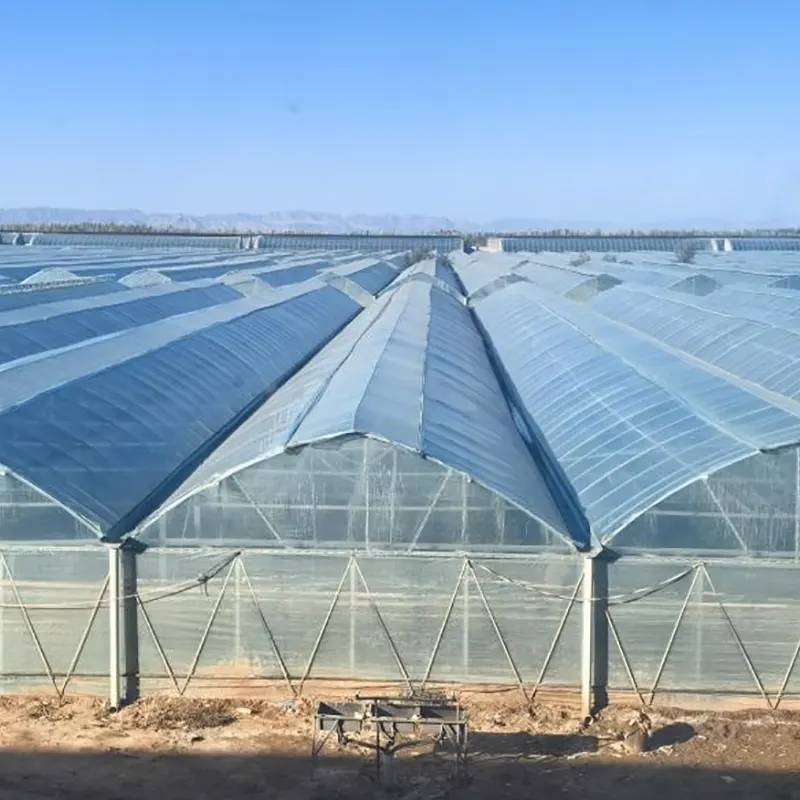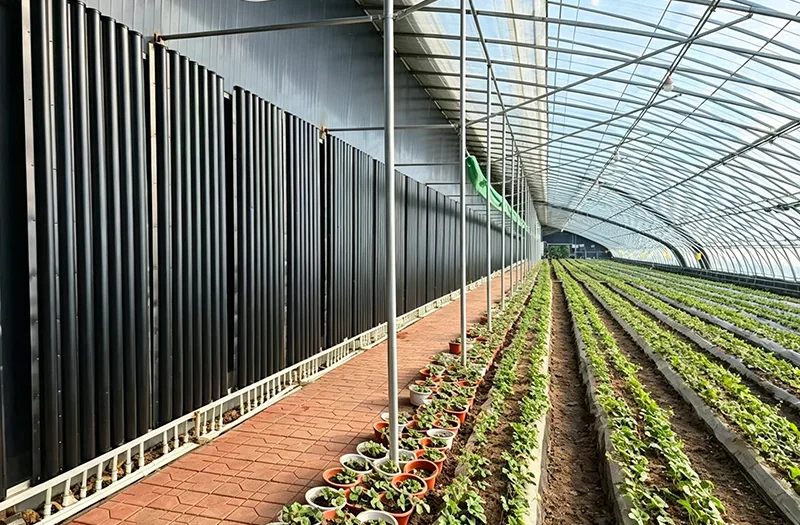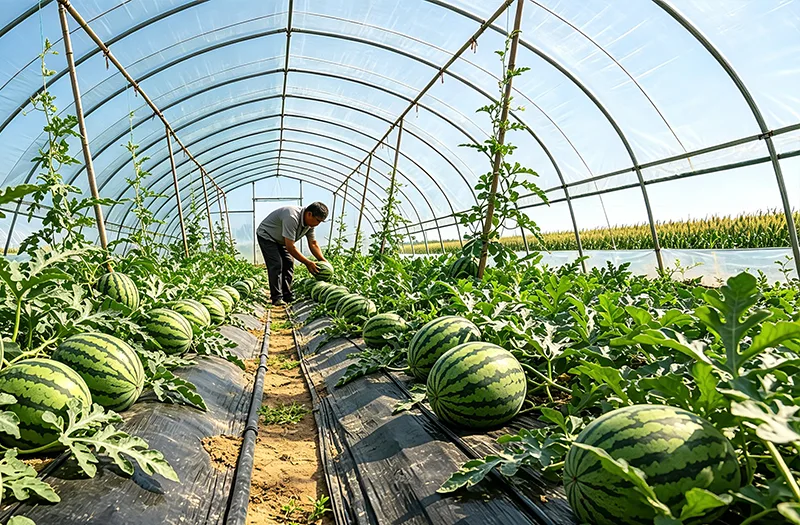

Modern protected agriculture requires greenhouse structures that can support larger cultivation areas, efficient environmental management, and flexible crop production. Multi-Span Greenhouses provide a connected growing environment by combining multiple greenhouse sections into one continuous structure. This design allows growers to better organize cultivation zones, agricultural equipment, ventilation systems, and supporting facilities according to different project requirements.
From film structures for vegetable production to PC sheet and glass configurations for advanced cultivation environments, connected greenhouse systems can be adapted for various climates, crops, and agricultural applications. This guide explains structural options, selection factors, installation considerations, and practical uses for commercial greenhouse projects.
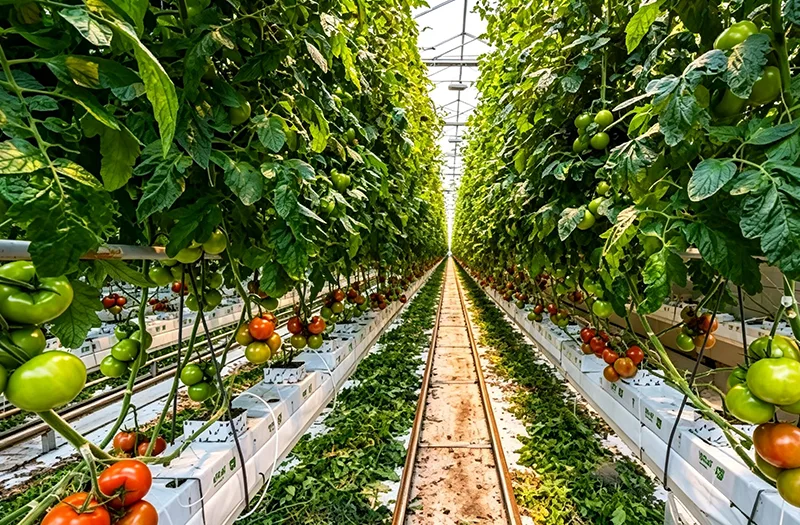
Click the sections below to explore each part quickly:
- 1. Understanding the Role of Connected Greenhouse Structures
- 2. Why Choose a Multi-Section Growing Layout?
- 3. Common Greenhouse Configurations for Different Applications
- 4. How to Select a Suitable Greenhouse Structure
- 5. Manufacturing and Engineering Capabilities
- 6. Installation Factors That Influence Performance
- 7. Agricultural Applications and Project Uses
- 8. Frequently Asked Questions
Understanding the Role of Connected Greenhouse Structures
For large-scale protected cultivation projects, choosing the right greenhouse structure is an important step before starting agricultural planning. Multi-Span Greenhouses are designed by connecting several greenhouse sections together, creating a larger continuous cultivation space instead of multiple separated units.
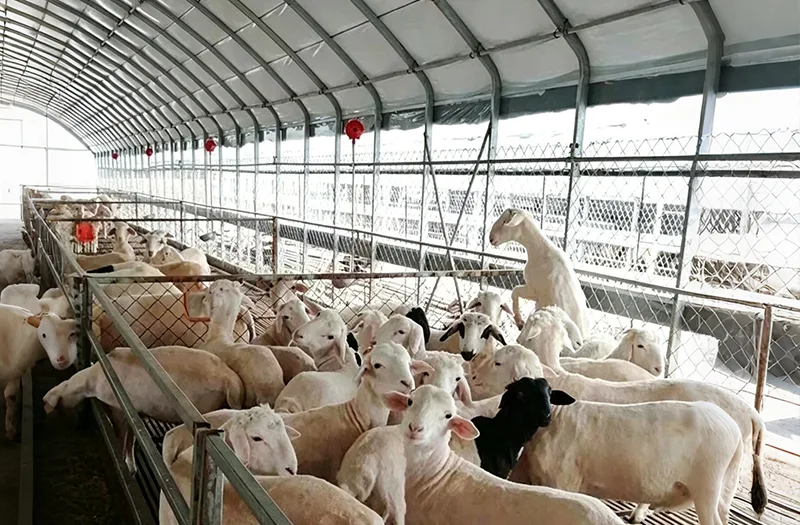
This connected design is commonly used for commercial vegetable production, nursery cultivation, flower growing, medicinal plant production, agricultural demonstrations, and sightseeing agriculture projects. The structure allows different cultivation areas and supporting systems to be arranged within one coordinated environment.
Ruize is a China manufacturer and factory specializing in greenhouse structures, covering steel profile production, structural development, engineering design, installation coordination, and after-sales support. The company develops greenhouse solutions based on project conditions, including site environment, crop requirements, covering materials, and supporting agricultural systems.
Creating a Continuous Cultivation Environment
Traditional single greenhouse units may require separate pathways, independent equipment arrangements, and repeated structural spaces between buildings. A connected greenhouse layout reduces these repeated divisions and creates a more unified cultivation area.
For agricultural projects that require centralized irrigation, ventilation, shading, cooling, or environmental monitoring systems, the continuous interior space provides more flexibility during planning. Equipment positions can be considered together with the greenhouse structure instead of being added after construction.
- Large continuous cultivation areas for different planting plans
- Flexible arrangement of agricultural equipment and internal pathways
- Better coordination between greenhouse structure and supporting systems
- Adaptable configurations for different crops and climates
Why Choose a Multi-Section Growing Layout?
A greenhouse is not only a covered structure but also an environment designed around crop growth requirements. A connected layout can help agricultural operators organize production areas more effectively when the project scale requires wider cultivation spaces.
More Efficient Use of Internal Space
Because multiple sections share connected areas, the internal layout can be planned according to cultivation methods, equipment requirements, and operational routes. This is useful for projects where growers need clear divisions between planting zones, working areas, and service spaces.
Better Integration With Agricultural Systems
Modern greenhouse projects often include irrigation, water and fertilizer management, ventilation, shading, cooling, and monitoring systems. A connected structure makes it easier to coordinate these systems during the design stage.
Supporting More Stable Growing Conditions
Environmental conditions inside a greenhouse depend on many factors, including structure type, covering material, equipment configuration, crop requirements, and local climate. A properly planned connected greenhouse provides a foundation for integrating these factors into one complete cultivation environment.
Common Greenhouse Configurations for Different Applications
Different agricultural projects require different greenhouse structures. Factors such as climate conditions, crop characteristics, cultivation methods, and covering preferences all influence the final configuration. A suitable greenhouse design should match the actual growing environment instead of using one standard structure for every project.
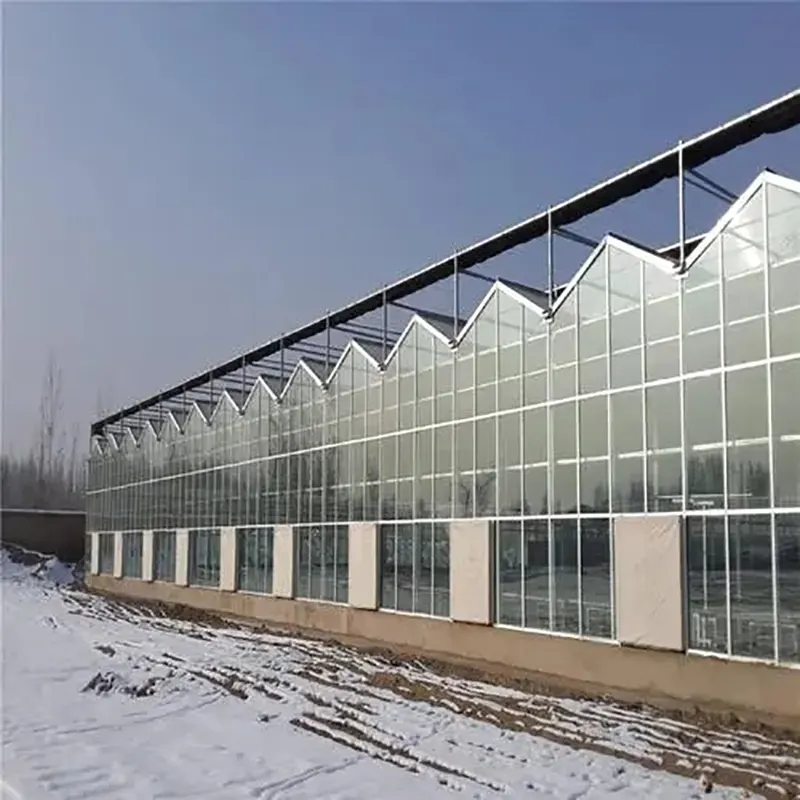
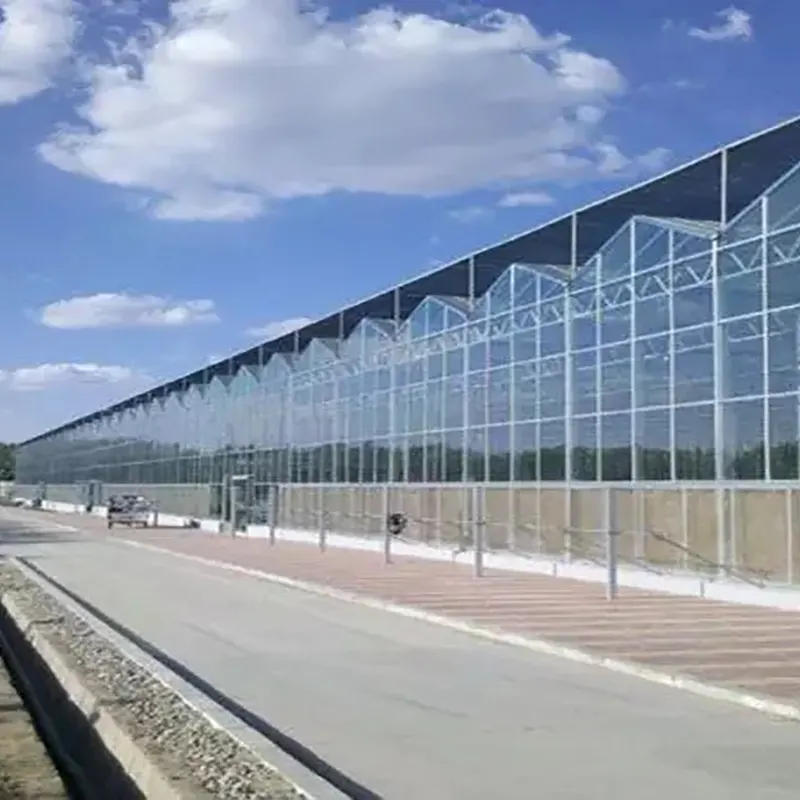
The main configurations include film structures, sawtooth designs, Venlo systems, PC sheet structures, glass structures, and sightseeing-oriented greenhouse buildings. Each type has different characteristics for light transmission, ventilation, insulation, appearance, and application range.
| Greenhouse Type | Typical Span | Standard Eave Height | Overall Height | Main Covering | Typical Applications |
|---|---|---|---|---|---|
| Round-Arch Film Multi-Span Greenhouse | 8 m / 9.6 m | 3.5–4 m | 4.5–5.5 m | PO long-life film | Vegetable production, fruit crops, nursery cultivation, and large-area planting |
| Sawtooth Greenhouse | 9.6 m / 12 m | 4–4.5 m | 5.2–6.5 m | Anti-aging film | Areas requiring natural airflow, leafy vegetables, and nursery projects |
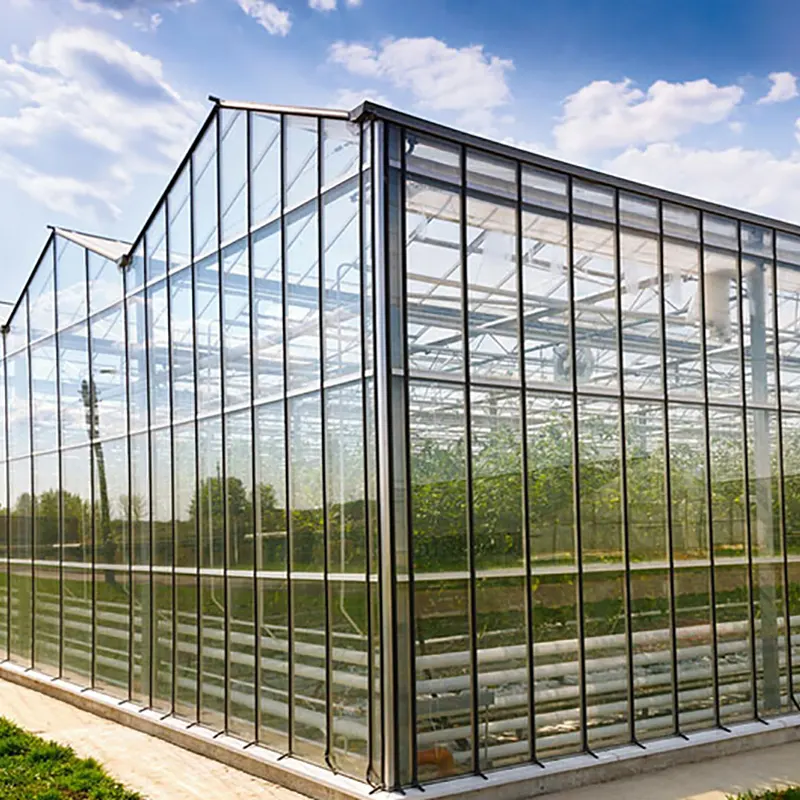
| Venlo Greenhouse | 9.6 m / 12 m | 4.5–5 m | 5.5–7 m | PC sheets / glass | Flowers, research nurseries, and advanced protected cultivation |
| PC Sheet Greenhouse | 9.6 m / 12 m | 4.5–5 m | 6–7 m | Hollow polycarbonate sheets | Nursery production, medicinal plants, and four-season cultivation |
| Glass Greenhouse | 9.6 m | 5 m | 6.5–7.5 m | Tempered hollow glass | Agricultural exhibition halls, demonstration projects, and research facilities |
| Leisure and Sightseeing Greenhouse | 8–12 m | 4–5 m | 5–7.2 m | Film / PC sheets | Picking parks, agricultural education, and leisure agriculture |
Film Structures for Practical Large-Area Cultivation
Film-covered structures are commonly selected for vegetable cultivation, fruit production, and nursery projects where practical coverage and flexible configuration are important. PO film provides light transmission while allowing the greenhouse structure to be adapted according to local environmental requirements.
The relatively simple structural design makes film configurations suitable for many agricultural production bases. Ventilation systems, irrigation equipment, shading facilities, and other supporting systems can be integrated according to crop needs.
Sawtooth Designs for Natural Ventilation Requirements
Sawtooth greenhouse structures feature roof designs that support natural airflow. In warm regions or projects where ventilation is an important consideration, this configuration can provide additional options for managing internal air movement.
The final selection should still consider rainfall, humidity, crop type, and local climate conditions because greenhouse performance depends on the complete system rather than a single structural feature.
PC Sheet and Glass Structures for Higher-Level Cultivation Environments
PC sheet and glass greenhouse structures are often considered for projects requiring higher light transmission, improved enclosure, or a more formal architectural appearance. These structures are commonly applied in flower cultivation, research facilities, demonstration areas, and specialized agricultural projects.
The choice between different covering materials should be based on project requirements, including climate adaptation, crop growth conditions, maintenance considerations, and the intended function of the greenhouse.
How to Select a Suitable Greenhouse Structure
Selecting a greenhouse requires a comprehensive understanding of the growing environment. The structure should support the crop plan, local weather conditions, available land, and future operation requirements.
Consider Local Climate Conditions
Climate is one of the first factors in greenhouse planning. Wind speed, rainfall, snowfall, humidity, temperature changes, and seasonal weather patterns all influence structural design.
For example, regions with high temperatures may require more attention to ventilation and shading arrangements, while colder areas may place greater importance on covering materials and insulation performance.
Match the Structure With Crop Requirements
Different crops have different requirements for light, temperature, humidity, ventilation, and cultivation height. Vegetable crops, flowers, nursery plants, and medicinal plants may require different greenhouse environments.
A successful greenhouse project begins with understanding the planting plan. The structure should serve the crop requirements rather than selecting a greenhouse only based on appearance.
| Project Factor | Important Considerations |
|---|---|
| Local Climate | Wind, heat, rainfall, snow, humidity, and seasonal temperature changes |
| Crop Type | Light level, ventilation, temperature, humidity, and growing height |
| Site Area | Available land, access routes, greenhouse orientation, and expansion planning |
| Covering Material | Film, PC sheet, or glass according to project requirements |
| Equipment Requirements | Ventilation, shading, irrigation, cooling, water and fertilizer systems, monitoring systems |
| Project Function | Commercial cultivation, nursery production, research, demonstration, or sightseeing |
Plan Equipment Integration During Design
Modern agricultural projects often combine greenhouse structures with multiple supporting systems. Ventilation equipment, irrigation networks, environmental monitoring devices, shading systems, and cooling facilities should be considered during the design stage.
Early planning helps ensure that the structural layout, equipment installation positions, and internal operation routes work together effectively.
Manufacturing and Engineering Capabilities
A greenhouse project involves more than producing steel components. The structure must connect engineering design, material processing, installation requirements, and agricultural application needs.
Ruize works across greenhouse structure production, project design, installation coordination, and technical support. Its manufacturing capability includes steel profile processing and structural development for different greenhouse configurations.
From Structural Components to Complete Project Planning
The greenhouse frame, roof structure, columns, gutters, covering supports, and equipment interfaces need to function as one coordinated system. Manufacturing experience helps ensure that different structural elements match the intended greenhouse application.
For overseas projects, the greenhouse configuration can be planned according to site conditions, crop requirements, covering material selection, and supporting agricultural systems. This approach allows the greenhouse structure to be developed around the actual project rather than a fixed catalogue model.
Customization Options for Different Projects
- Span dimensions according to available land and cultivation plans
- Roof structure selection based on climate and ventilation requirements
- Covering material options including film, PC sheets, and glass
- Integration planning for irrigation, shading, cooling, and monitoring systems
- Layout design for planting areas, equipment zones, and circulation routes
Installation Factors That Influence Performance
A well-designed greenhouse requires proper installation to achieve the intended structure performance. Site preparation, foundation construction, frame assembly, covering installation, and equipment commissioning all influence the final operation condition.
Installation procedures should follow the engineering drawings and consider local environmental conditions. Different climates and covering materials may require different installation methods to ensure structural stability and proper operation.
Foundation and Site Preparation
The foundation is an important part of greenhouse construction. Soil conditions, wind environment, rainfall, and local requirements should be considered during foundation planning.
Accurate foundation positioning and consistent levels help ensure that columns, beams, and other structural components can be assembled correctly. Proper preparation also provides a stable base for long-term greenhouse operation.
Steel Frame Assembly
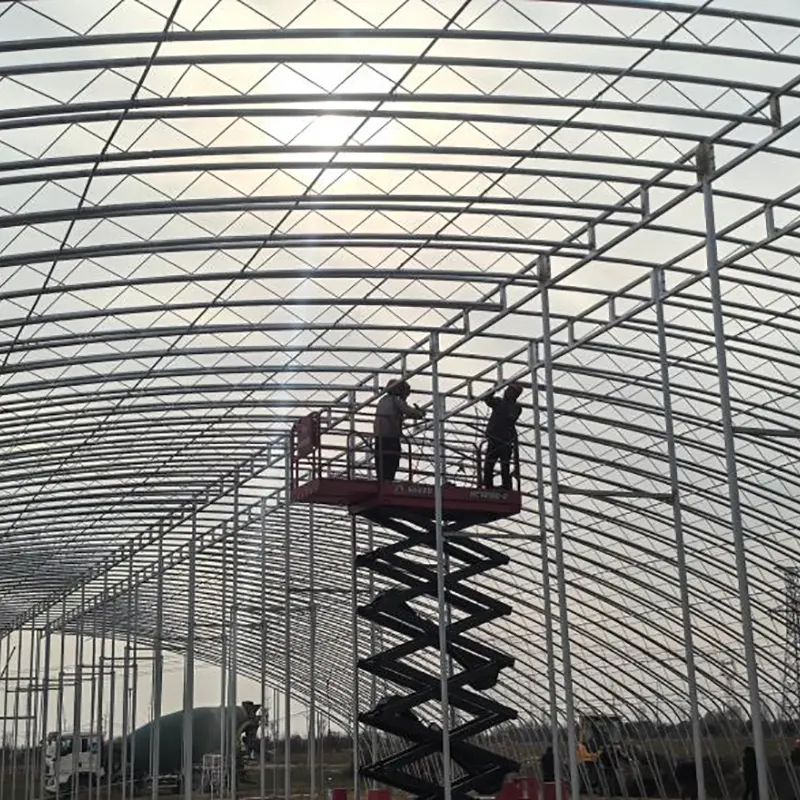
During steel frame installation, connection points, structural alignment, and protective coating conditions should be carefully managed. Galvanized surfaces should be protected from unnecessary damage during construction.
Columns, roof structures, gutters, and supporting components need to be installed according to the project design. Correct assembly helps maintain the overall stability of the greenhouse structure.
Covering Material Installation
Different covering materials require different installation methods. Film, PC sheets, and glass each have their own connection methods, fixing requirements, and maintenance considerations.
Installation details such as sealing, expansion allowance, fixing methods, and drainage arrangements should be considered according to the selected material and local temperature conditions.
Equipment Testing and System Coordination
After the greenhouse structure is completed, supporting equipment should be tested before regular cultivation begins. Ventilation, shading, irrigation, cooling, and environmental monitoring systems need coordinated commissioning.
A complete greenhouse project depends on the cooperation between structure, equipment, and cultivation management methods. Proper testing helps confirm that all systems operate according to the planned design.
Agricultural Applications and Project Uses
Connected greenhouse structures are used in various protected agriculture projects because they provide flexible space planning and support different cultivation methods. The final configuration depends on crop requirements, climate conditions, and project objectives.
Commercial Vegetable Cultivation
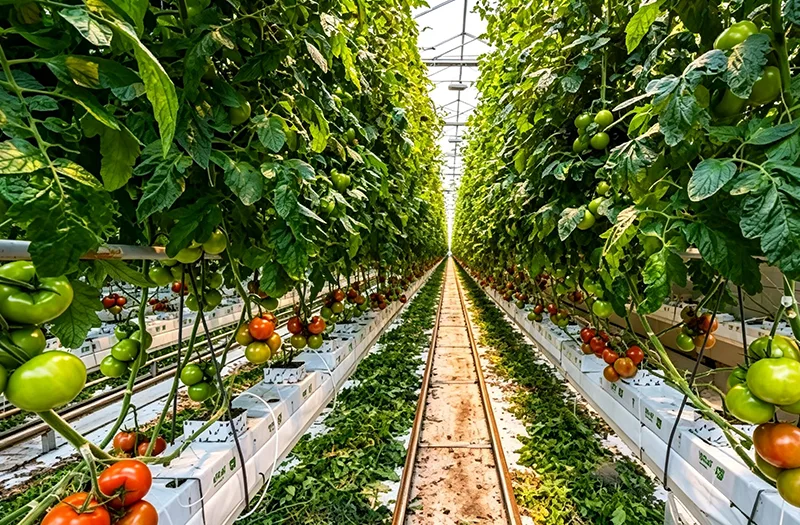
Large vegetable production bases often require organized planting areas, efficient irrigation systems, and convenient operation routes. A connected greenhouse layout can provide continuous growing space for vegetables while allowing supporting facilities to be arranged more systematically.
Nursery Production
Nursery projects require careful control of growing conditions during different plant development stages. Greenhouse structures with suitable ventilation, covering materials, and environmental management systems can provide an appropriate environment for young plants.
Flower and Specialty Plant Cultivation
Flowers and specialty plants may have specific requirements for light, humidity, temperature, and growing space. PC sheet, glass, and other advanced greenhouse configurations can be considered according to cultivation needs.
Research and Demonstration Projects
Agricultural research centers and demonstration facilities often require greenhouse environments that support observation, testing, and educational activities. Flexible internal layouts make it possible to arrange different cultivation areas within one project.
Agricultural Sightseeing Projects
Some agricultural projects combine cultivation with tourism, education, and public experiences. Sightseeing-oriented greenhouse designs focus on open interior space, visual appearance, and visitor circulation while maintaining agricultural functions.
- Commercial vegetable planting bases
- Fruit production and nursery facilities
- Flower cultivation projects
- Medicinal plant growing areas
- Agricultural research and demonstration centers
- Picking parks and agricultural education facilities
Choosing a Greenhouse Partner for Project Development
A greenhouse project requires cooperation between structural manufacturing, engineering planning, and installation support. Selecting a supplier with production and project experience can help ensure that different parts of the greenhouse system are considered together.
From steel processing and structural design to installation coordination, a complete project approach allows the greenhouse to be developed according to actual cultivation requirements. This is especially important for overseas agricultural projects where site conditions and application goals may vary significantly.
When planning a greenhouse project, important factors include structural configuration, covering material, crop type, local climate, equipment requirements, and future expansion possibilities. A suitable design should balance these elements instead of focusing on only one specification.
Frequently Asked Questions
Which greenhouse structure is suitable for a hot climate?
The suitable structure depends on local temperature, rainfall, humidity, crop type, and ventilation requirements. Sawtooth designs can be considered when natural roof ventilation is an important requirement, while other configurations may also be suitable after evaluating complete project conditions.
Can the greenhouse span and height be customized?
Yes. Greenhouse dimensions can be planned according to site conditions, crop requirements, equipment layout, and project needs. Span, height, roof form, and supporting configurations can be adjusted during the design process.
How should the covering material be selected?
Film, PC sheets, and glass have different characteristics. The selection should consider climate conditions, light transmission requirements, insulation needs, crop type, project appearance, and operating conditions.
Does Ruize only provide greenhouse frames?
No. The service scope covers greenhouse structure production, project design, configuration planning, installation coordination, and after-sales support. Supporting agricultural systems can also be considered according to project requirements.
Can this greenhouse type be used for large planting bases?
Yes. The connected structure format is suitable for larger cultivation areas where shared equipment, internal circulation, and centralized management are required. The final design should be selected according to project scale and local conditions.
What information is needed before designing a greenhouse project?
Important information includes site size, location climate, crop type, cultivation method, covering preference, equipment requirements, and expected greenhouse functions. These details help determine a suitable structural solution.
Planning a greenhouse project for commercial cultivation, nursery production, or agricultural development? Contact our team to discuss structure configuration, covering options, and project requirements.
Contact Us