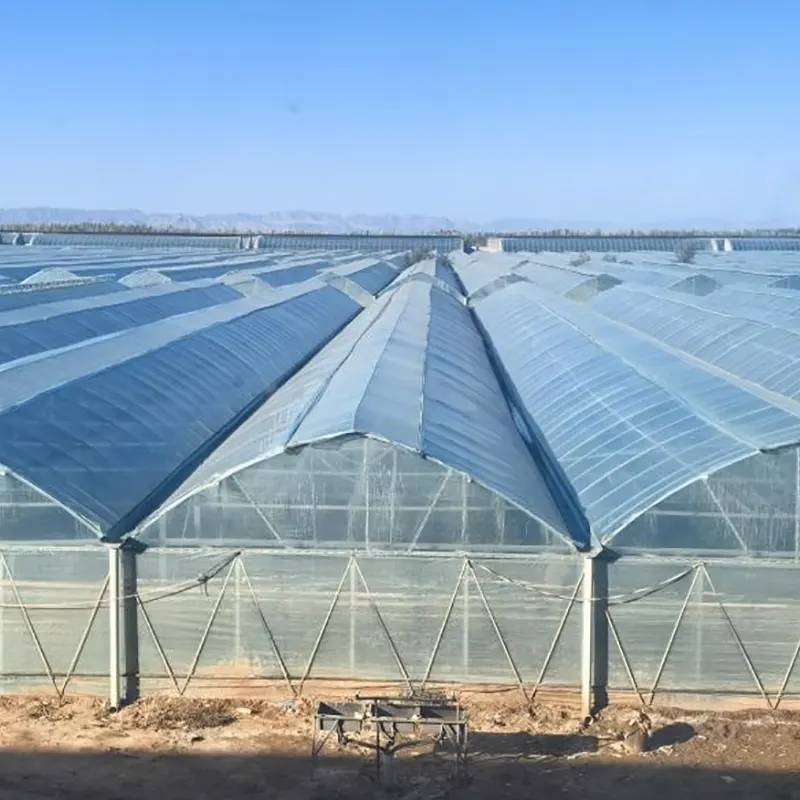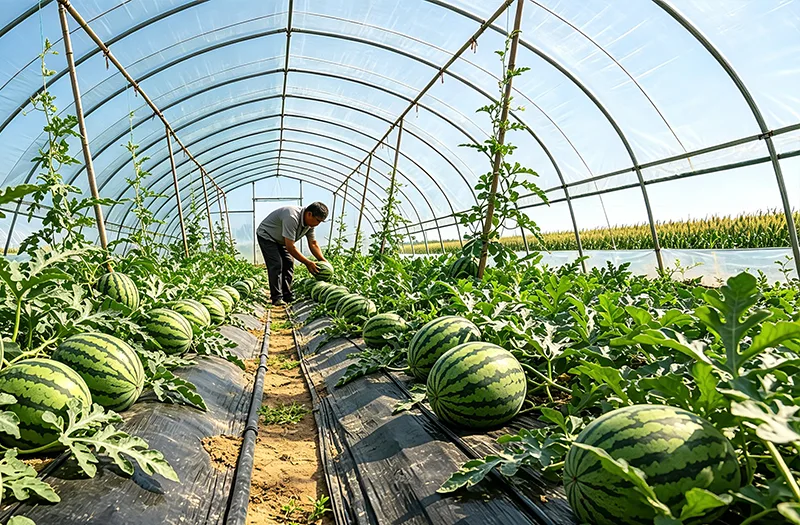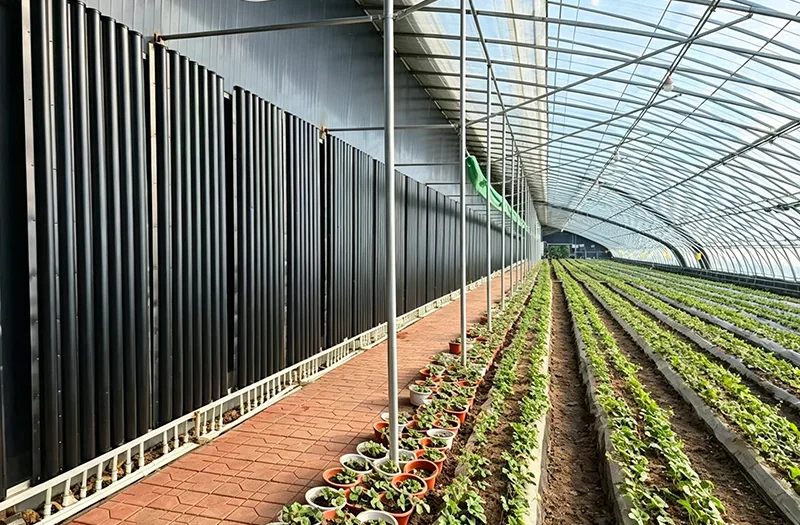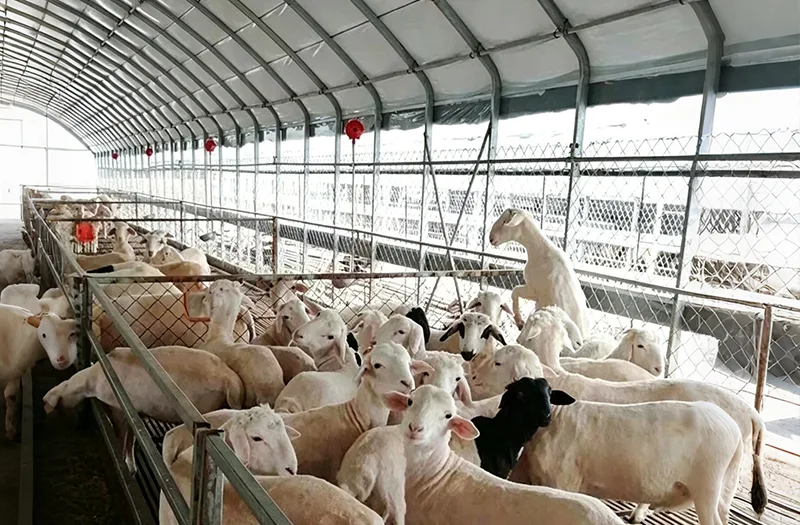
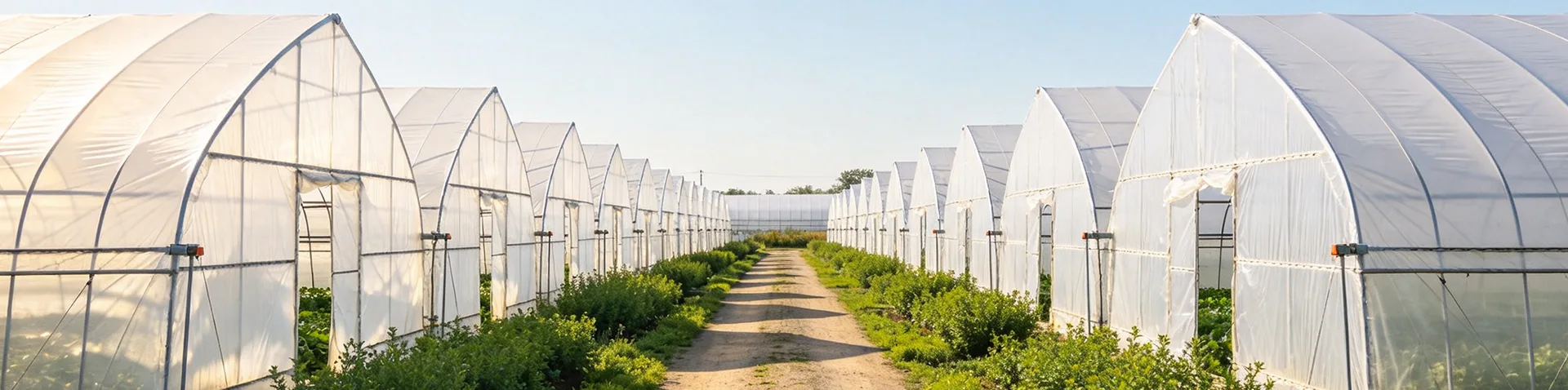
Ruize is a China manufacturer and factory specializing in Multi-Span Greenhousess, with capabilities covering steel profile production, greenhouse structure development, project design, onsite installation, and after-sales support. Its Multi-Span Greenhouse range is developed for connected cultivation spaces and can be configured for vegetable production, nursery growing, flower cultivation, medicinal plants, agricultural sightseeing, and demonstration projects. Rather than supplying a frame alone, Ruize can coordinate the greenhouse structure with the intended site, crop requirements, covering material, and supporting agricultural systems.
There is no single greenhouse configuration that suits every climate or crop. The choice of span, height, roof form, and covering material should be based on local weather conditions, cultivation requirements, site dimensions, and the intended use of the facility. The following configurations represent the main Multi-Span Greenhouse options available within the range.
| Greenhouse Type | Typical Span | Standard Eave Height | Overall Height | Main Covering | Key Characteristics | Typical Uses |
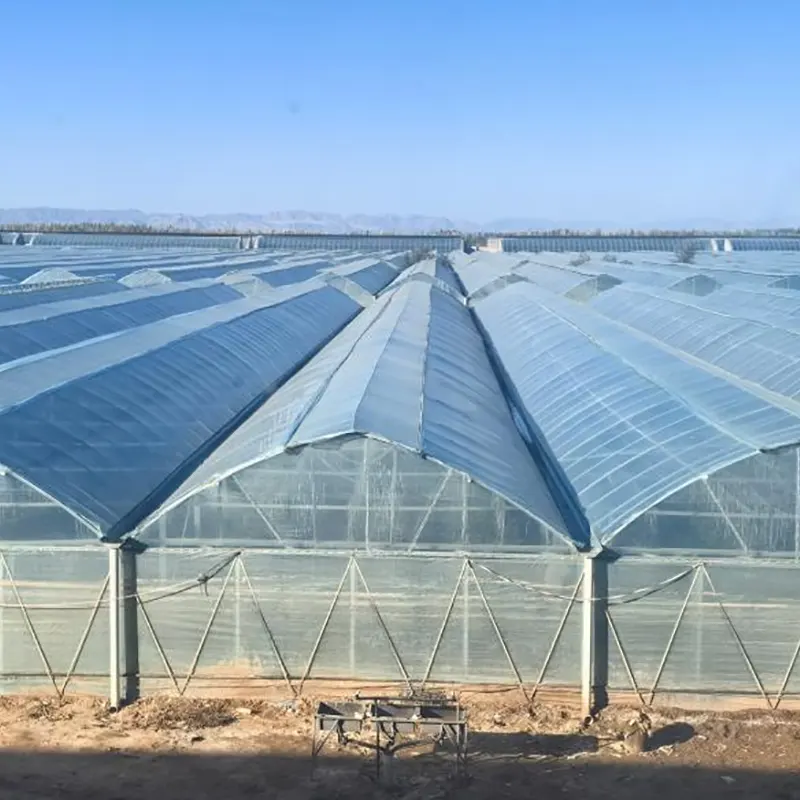
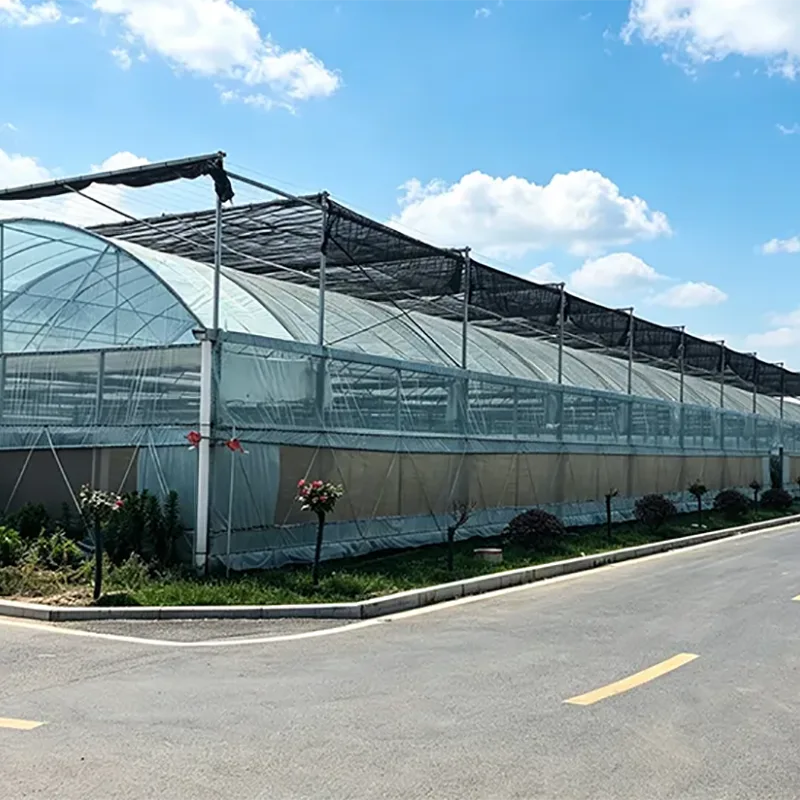
| Round-Arch Film Multi-Span Greenhouse | 8 m / 9.6 m | 3.5–4 m | 4.5–5.5 m | PO long-life film | Practical structure, relatively simple installation, even light transmission | Vegetables, fruit crops, nursery production, large-area cultivation |
| Sawtooth Multi-Span Greenhouse | 9.6 m / 12 m | 4–4.5 m | 5.2–6.5 m | Anti-aging film | Roof ventilation configuration with strong natural airflow | Hot-climate areas, leafy vegetables, nursery production |
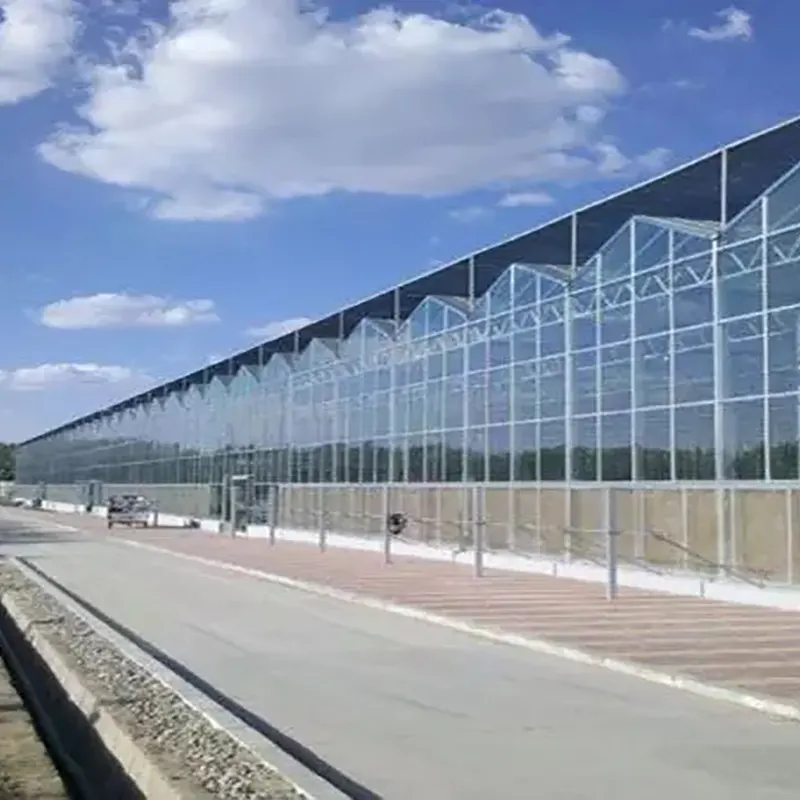
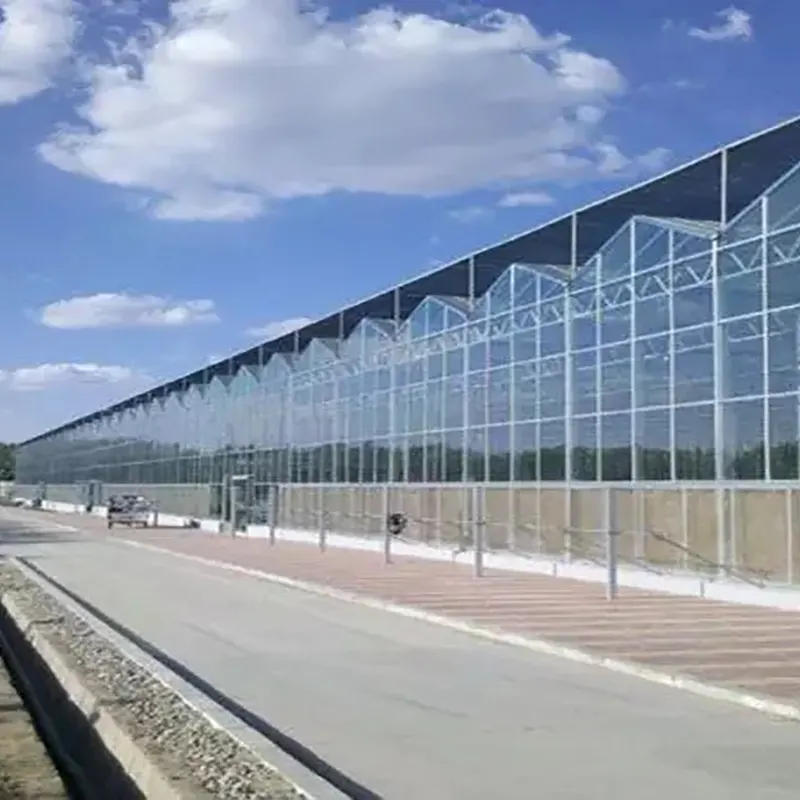
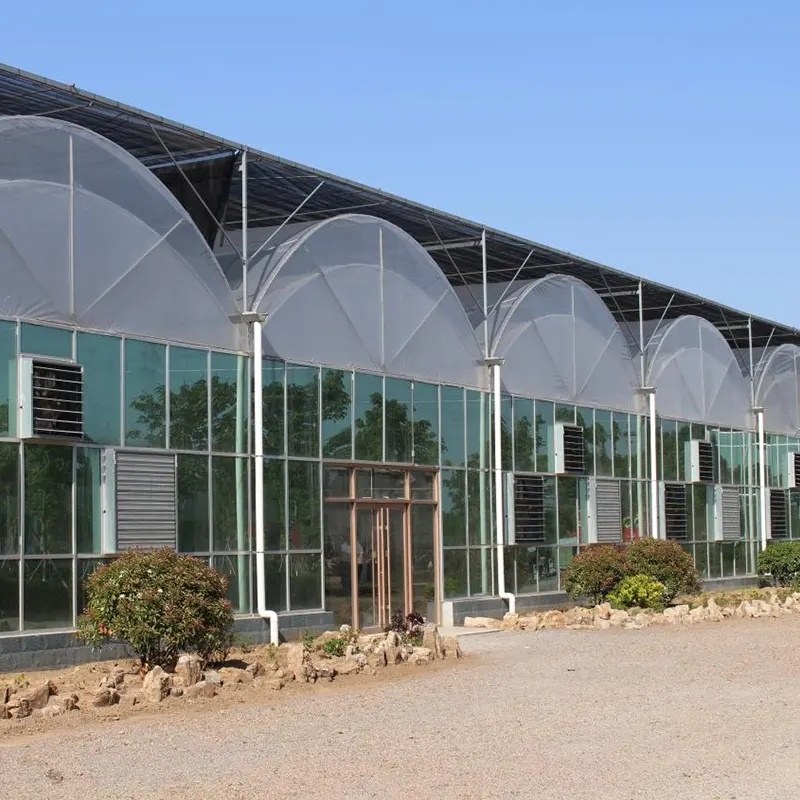
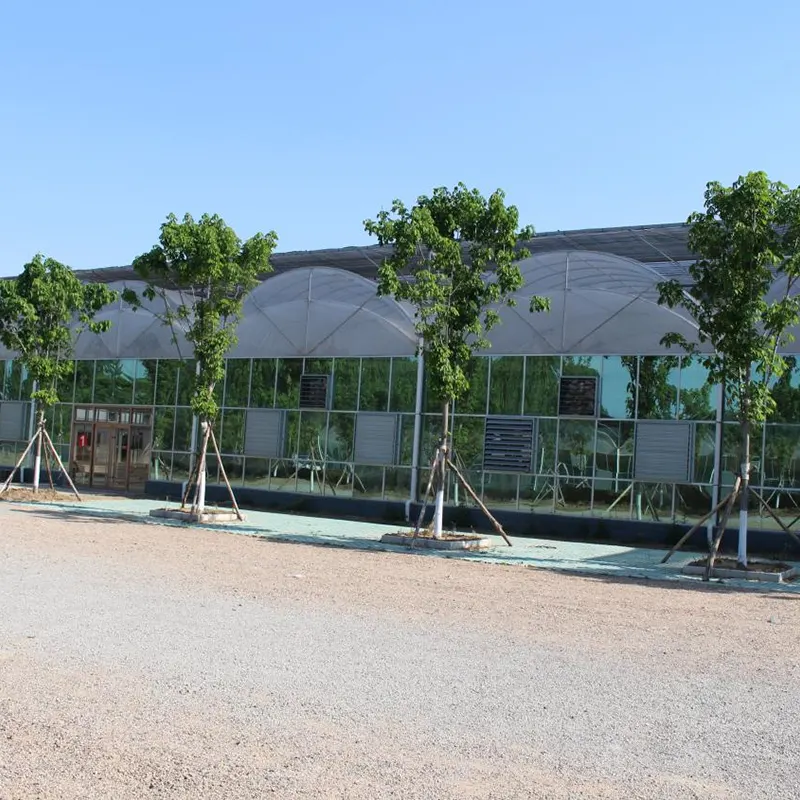
| Venlo Multi-Span Greenhouse | 9.6 m / 12 m | 4.5–5 m | 5.5–7 m | PC sheets / glass | Regular structural layout and high light transmission | Flowers, research nurseries, premium protected cultivation |
| PC Sheet Multi-Span Greenhouse | 9.6 m / 12 m | 4.5–5 m | 6–7 m | Hollow polycarbonate sheets | Impact resistance, condensation control, and insulation characteristics | High-standard nursery production, medicinal plants, four-season cultivation |
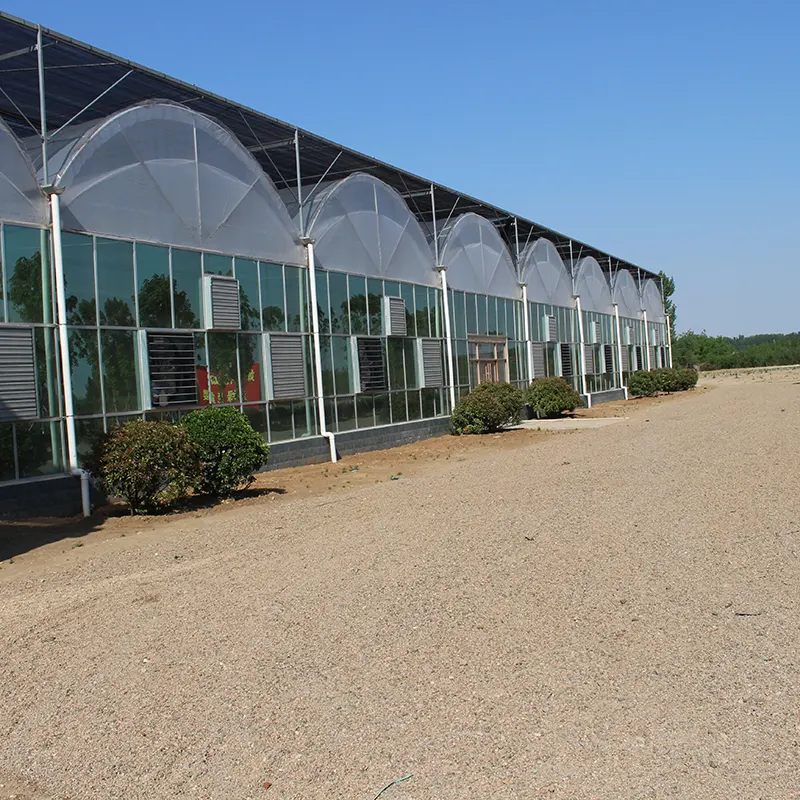
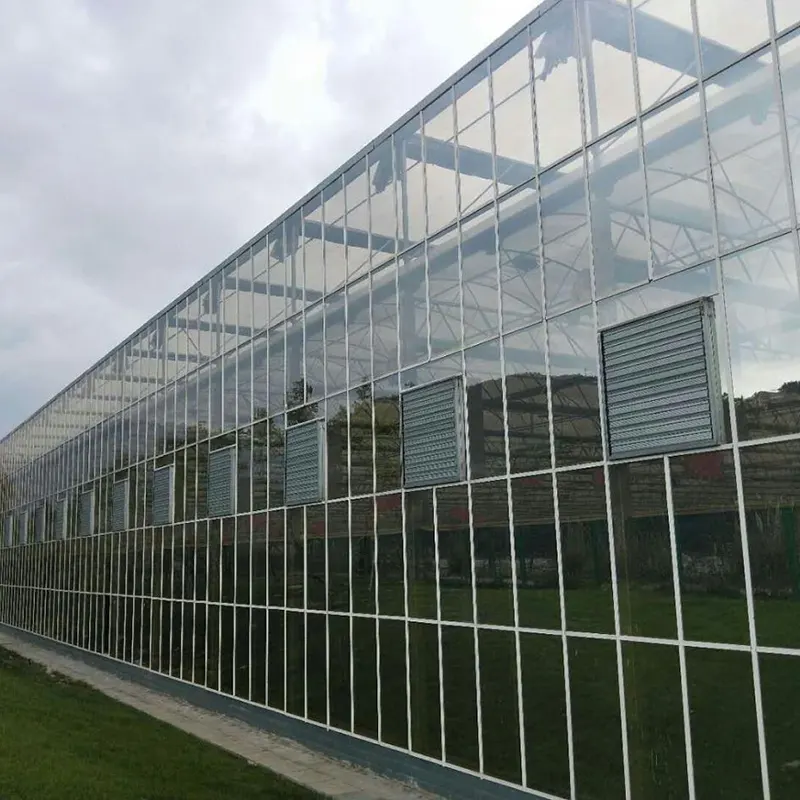
| Glass Multi-Span Greenhouse | 9.6 m | 5 m | 6.5–7.5 m | Tempered hollow glass | High light transmission and a more formal architectural appearance | Agricultural exhibition halls, demonstration parks, research facilities |
| Leisure and Sightseeing Multi-Span Greenhouse | 8–12 m | 4–5 m | 5–7.2 m | Film / PC sheets | Open visual space and landscape-oriented appearance | Picking parks, agricultural education, leisure agriculture |
A connected greenhouse layout brings several growing sections into one continuous structure. Compared with multiple independent small greenhouses, this arrangement can make the overall site easier to organize around shared access, irrigation, ventilation, shading, environmental-control equipment, and daily production routes.
The larger continuous interior also gives farm planners more freedom when arranging cultivation areas and equipment. For projects using mechanical cultivation or centralized agricultural systems, the connected layout can be easier to coordinate than a site divided into many separate small structures.
Multi-span construction reduces the repeated gaps between individual greenhouse units and creates a more continuous covered cultivation area. This is particularly useful for larger agricultural bases where the growing area needs to be planned as one coordinated site.
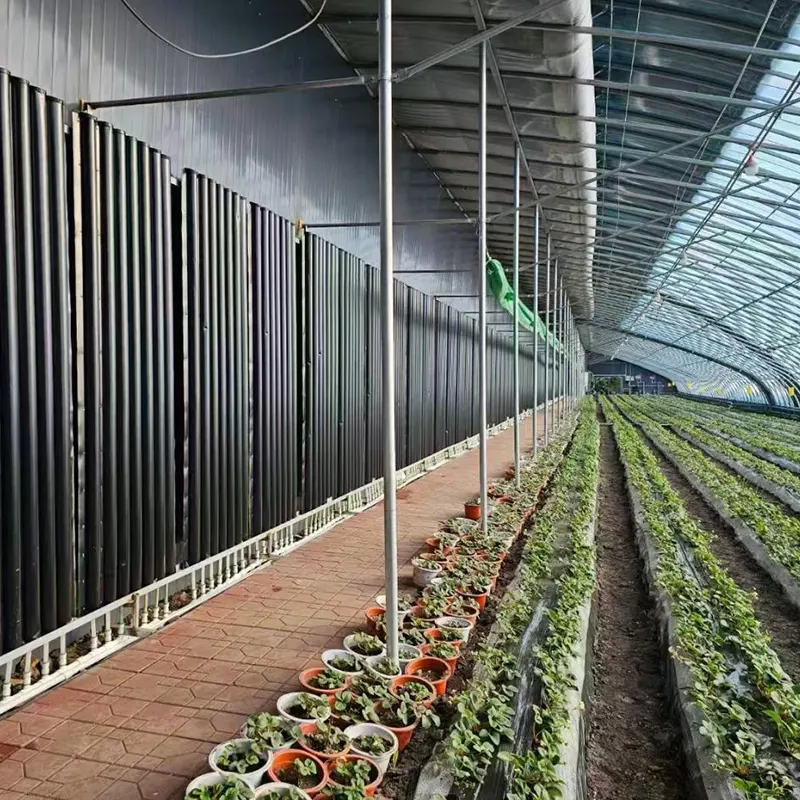
The interior can be organized around irrigation, water and fertilizer management, ventilation, shading, cooling, and environmental monitoring systems. Equipment positions can be considered during the structural planning stage instead of being added after the greenhouse has already been installed.
A connected structure provides a larger enclosed or semi-enclosed growing volume, allowing environmental-control equipment and ventilation arrangements to be planned across the greenhouse as a whole. The actual temperature and humidity conditions still depend on the selected structure, covering material, equipment, crop, and local climate.
Climate is one of the first factors to consider. In warmer regions where natural airflow is a priority, a sawtooth configuration can be considered for its roof-ventilation arrangement. Film multi-span structures are practical for projects where a relatively simple covered growing system is preferred, while PC and glass structures are more suitable when the project places greater emphasis on enclosure, light transmission, appearance, or insulation performance.
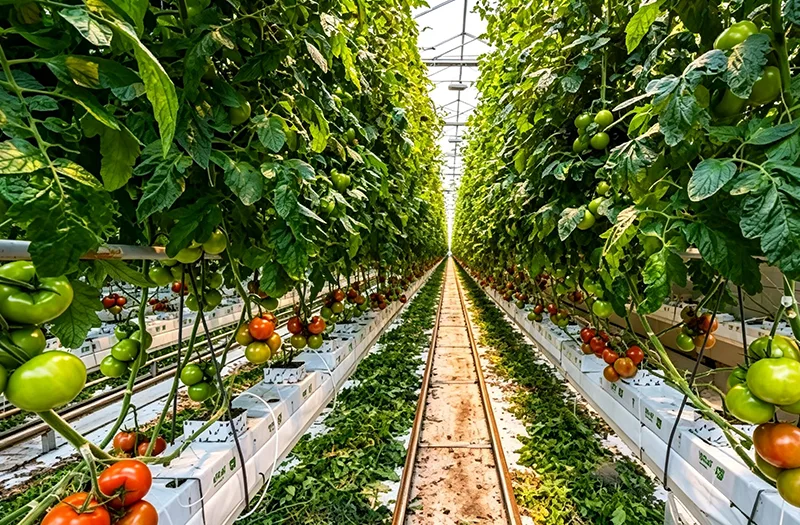
The crop itself is another important factor. Nursery plants, flowers, vegetables, and medicinal plants have different requirements for light, temperature, ventilation, and humidity. A proper greenhouse configuration should therefore begin with the planting plan rather than choosing a structure only by appearance.
| Project Factor | What to Consider |
| Local climate | Wind, heat, rainfall, snow, humidity, and seasonal temperature changes |
| Crop type | Light level, ventilation, temperature, humidity, and growing height |
| Site area | Available land, access routes, greenhouse orientation, and future expansion |
| Covering preference | Film, PC sheet, or glass according to project requirements |
| Equipment requirements | Ventilation, shading, irrigation, cooling, water and fertilizer systems, and monitoring |
| Project function | Commercial cultivation, nursery use, research, demonstration, or sightseeing |
Ruize operates as an integrated greenhouse structure manufacturer rather than focusing only on finished greenhouse trading. The company has a dedicated steel processing production line and works across the stages of structural component production, greenhouse scheme customization, engineering design, complete greenhouse installation, and after-sales service.
This production background is important for Multi-Span Greenhouse projects because the greenhouse is a coordinated structural system rather than a collection of unrelated parts. Span, column arrangement, roof structure, gutters, covering supports, and equipment interfaces need to work together. Having production and engineering capabilities within the same company allows Ruize to coordinate these elements from the initial design through installation.
For overseas customers looking to source a Multi-Span Greenhouse from a China factory, Ruize can provide project drawings, customized structural arrangements, material and configuration coordination, and installation support based on the actual application. This makes the supplier relationship closer to a complete greenhouse project service rather than a simple component purchase.
A well-designed greenhouse still depends on correct installation. Site preparation, foundation work, structural assembly, covering installation, and equipment commissioning should follow the project drawings and local conditions.
The foundation should be designed according to the soil conditions and the local wind and snow environment. Keeping foundation positions and levels consistent is important for subsequent frame installation and the overall stability of the greenhouse.
During installation, galvanized surfaces should be protected from unnecessary damage. Bolted connections need to be properly tightened, while gutters, joints, and other water-sensitive areas should be installed with suitable sealing measures.
Film, PC sheets, and glass require different installation methods. Expansion allowance, connection details, sealing, and fixing methods should be considered according to the selected covering material and local temperature conditions.
Ventilation, shading, irrigation, cooling, and environmental-control equipment should be tested after installation. Coordinated commissioning helps confirm that the equipment and greenhouse structure operate as intended before regular cultivation begins.
Ruize's product range covers several commonly used multi-span configurations, including film greenhouses, PC sheet greenhouses, glass greenhouses, planting greenhouses, Venlo greenhouses, round-arch structures, sawtooth structures, and sightseeing-oriented greenhouse buildings.
The appropriate series can be selected according to climate, crop type, available land, greenhouse height requirements, operating method, and the level of agricultural equipment to be installed. For projects with more specific requirements, the structural dimensions and supporting configuration can be planned around the customer's site rather than forcing every project into one standard specification.
Customization can cover the main structural dimensions and the configuration of the greenhouse system. Depending on the project, this may include span, height, roof form, covering material, ventilation arrangement, shading, irrigation, cooling, environmental monitoring, and other supporting facilities.
For large agricultural sites, the greenhouse can also be planned as multiple connected sections so that planting zones, equipment areas, circulation routes, and future expansion can be considered together during the design stage.
The structures are used across a variety of protected-agriculture and agricultural-development projects, including:
The choice depends on the local temperature, rainfall, crop type, and ventilation requirement. Sawtooth configurations can be considered where natural roof ventilation is an important part of the greenhouse design, while other configurations may also be suitable after climate and crop conditions are assessed.
Yes. Standard dimensions are available for the main greenhouse series, while span, height, and other structural parameters can be adjusted according to the site, crop, equipment, and project requirements.
Film, PC sheets, and glass each have different characteristics. The selection should consider local climate, required light transmission, insulation needs, project appearance, crop type, and the planned operating conditions.
No. Ruize's capabilities cover steel structure production, scheme customization, engineering design, complete greenhouse installation, and after-sales support. Supporting agricultural systems can also be coordinated according to the project scope.
Yes. The connected multi-span format is suitable for larger cultivation areas where shared equipment, internal circulation, and centralized management are needed. The final structure should be selected according to the project scale and local conditions.
For customers planning to source a Multi-Span Greenhouses from China, Ruize can coordinate the greenhouse structure, covering system, engineering design, installation requirements, and supporting agricultural configuration around the actual project. The result is a greenhouse solution developed from the company's own manufacturing and engineering capabilities rather than a generic catalog configuration.
Copyright © 2026 Tianjin Ruize Steel Co., Ltd. All Rights Reserved.