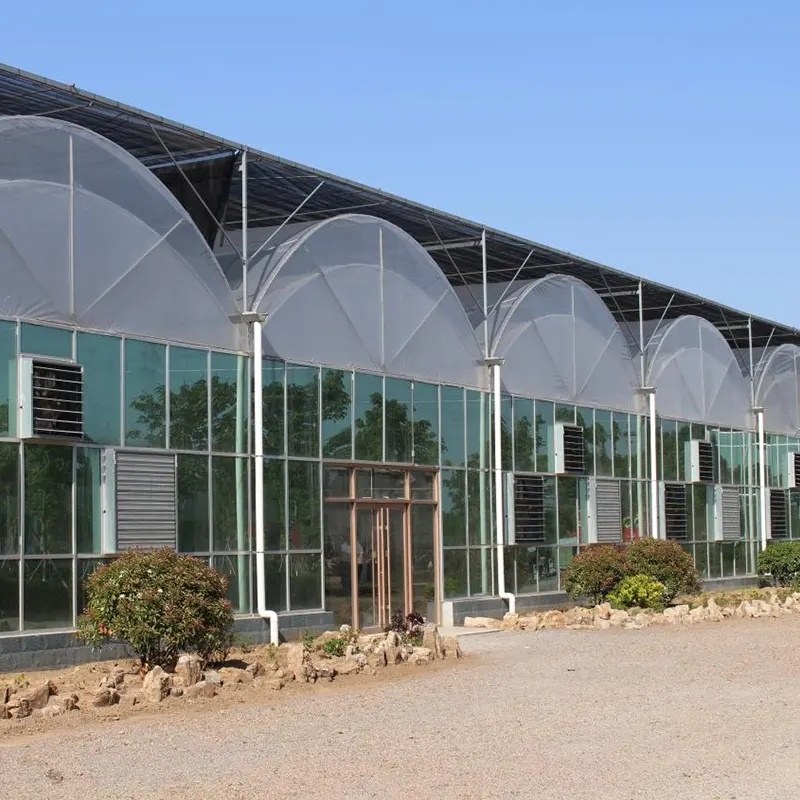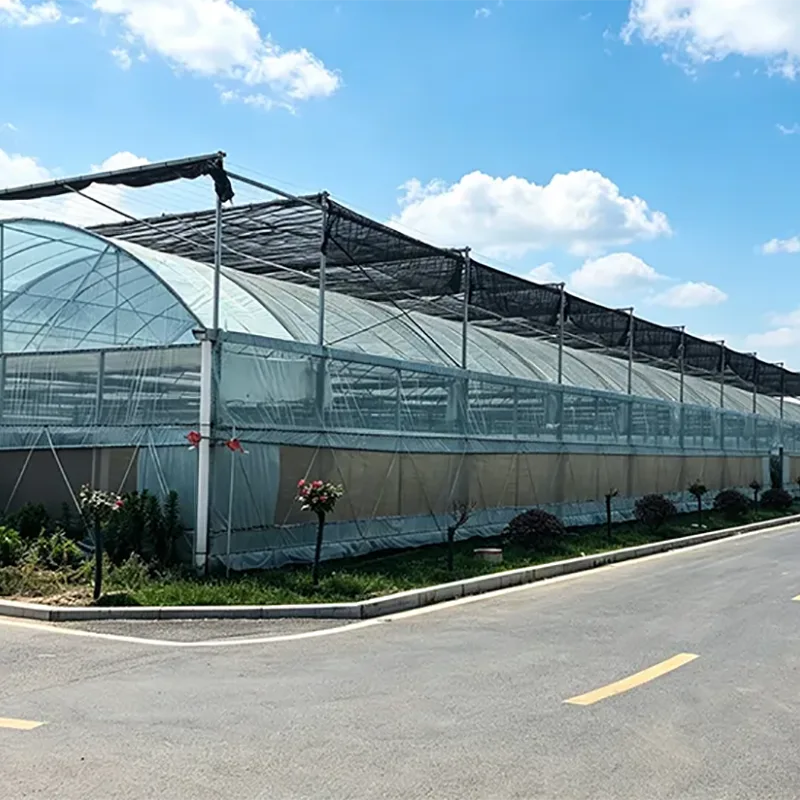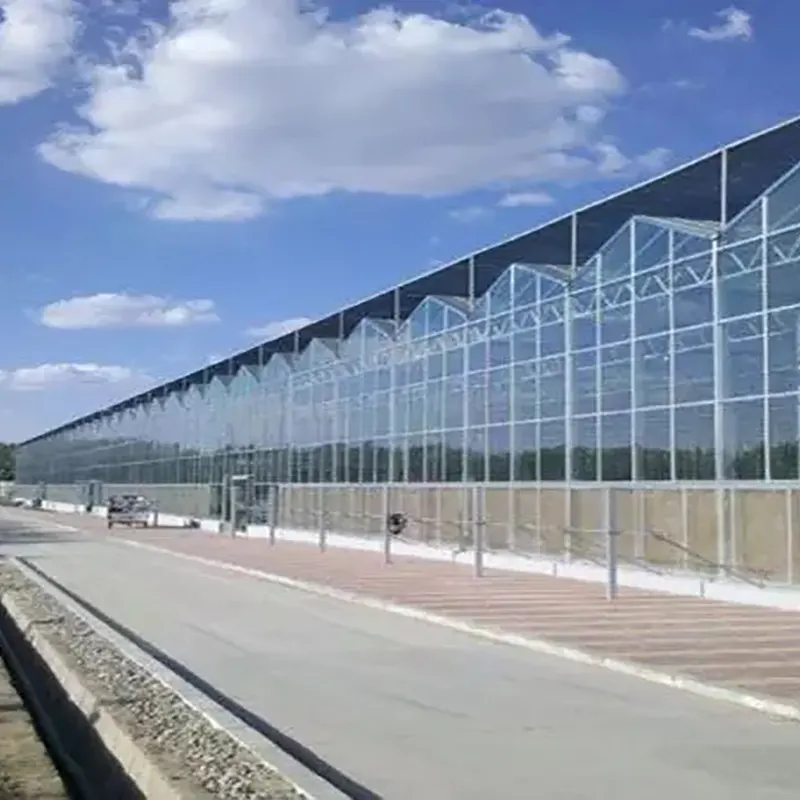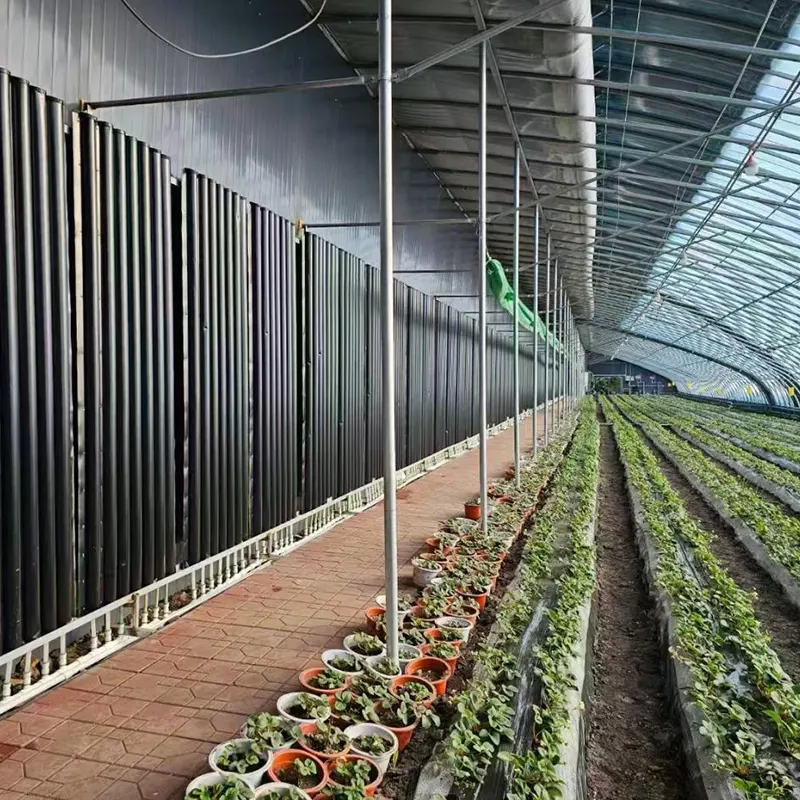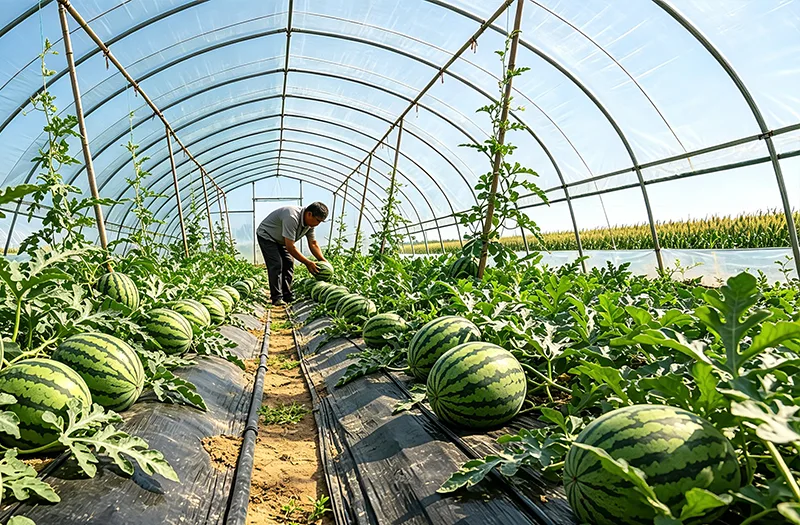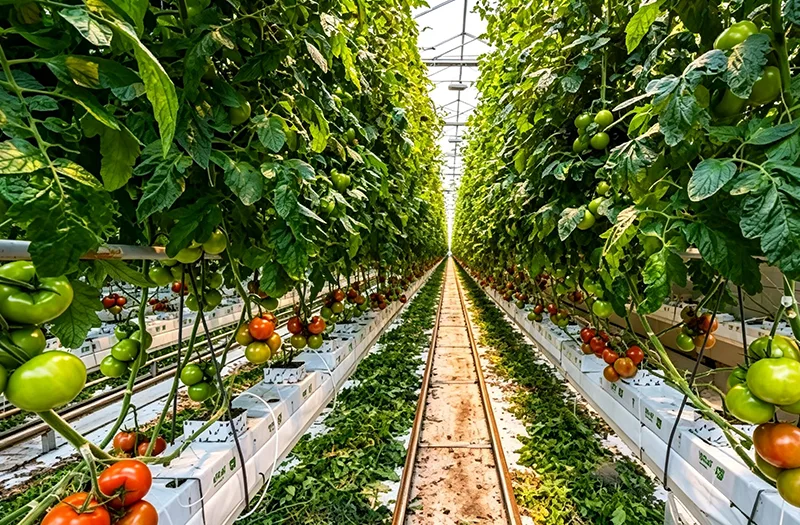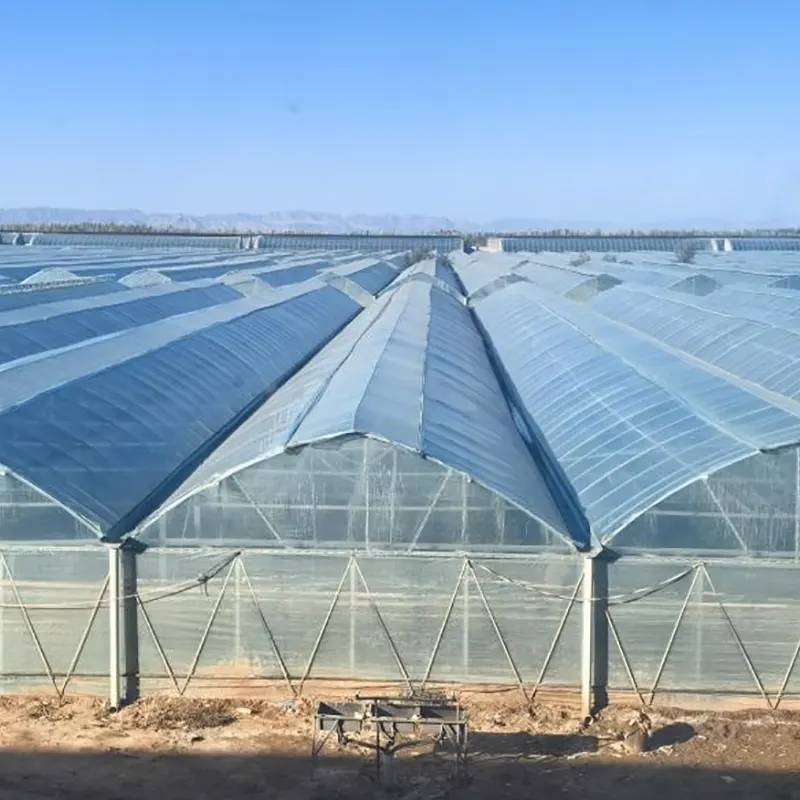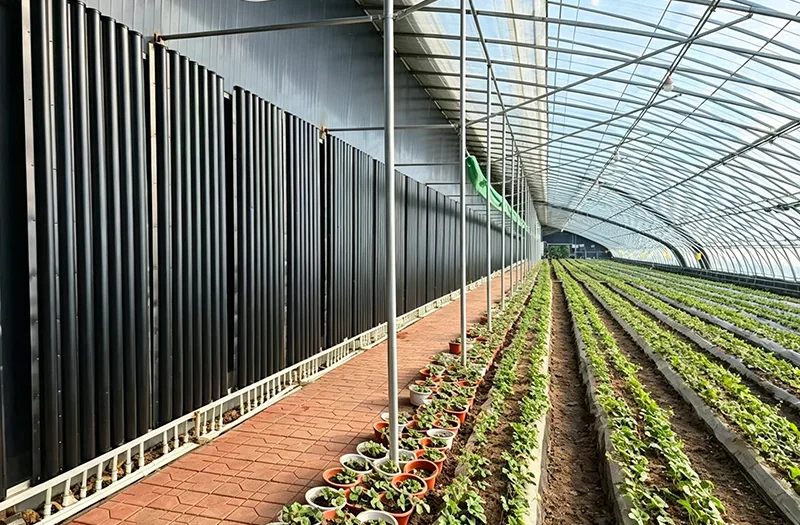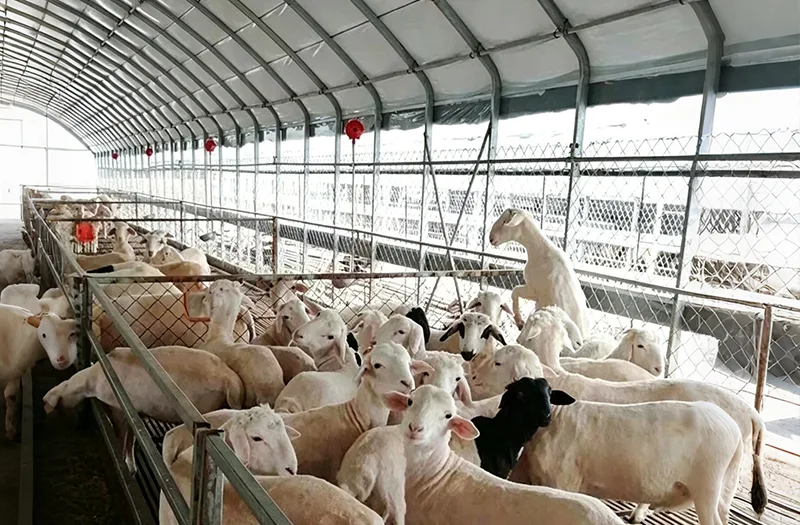
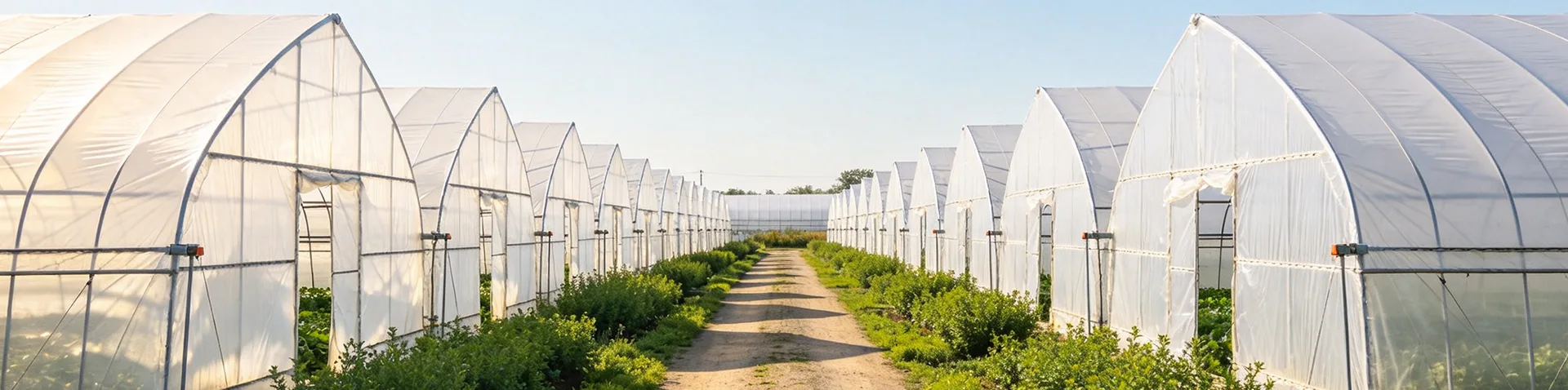
Ruize Livestock Greenhouses are purpose-built enclosure structures for livestock, poultry, and aquaculture facilities. The structures use corrosion-resistant steel framing together with ventilation, moisture-control, and insulation options to better suit humid and corrosive farming environments. The product range can be applied to poultry housing, cattle and sheep farming, shrimp and crab aquaculture, and other agricultural projects that require a covered and manageable operating environment.
As a manufacturer integrating steel structure production, greenhouse solution customization, structural design, installation, and project support, Ruize provides different Livestock Greenhouses configurations according to the livestock type, site conditions, local climate, and expected service requirements.
| Comparison Item | Prefabricated Full-Steel Livestock Greenhouse | Brick-and-Concrete Livestock Building | Standard Steel Livestock Greenhouse |
| Main Structure | Hot-dip galvanized steel components with clip-and-bolt assembly and no concrete enclosure walls | Brick-and-concrete insulated walls with a hot-dip galvanized steel roof frame | Hot-dip galvanized steel arch frame with simple enclosure and no insulated walls |
| Service Life | 12–15 years | Walls: more than 20 years; steel frame: 10–12 years | 8–10 years |
| Insulation Performance | Moderate; double-layer film can be added to improve insulation | Strong; insulated walls provide better heat retention and help reduce day-night temperature differences | Relatively limited; mainly provides basic protection from wind and rain |
| Relocation | Can be dismantled and reassembled at another site | Fixed structure; relocation is generally impractical | Easy to dismantle, but repeated relocation may cause greater component wear |
| Cost Level | Medium to relatively high | Highest overall construction cost | Lowest of the three options |
| Wind and Snow Resistance | Reinforced frame designed for stronger wind conditions and conventional snow loads | Strong overall structural performance against wind and snow | Basic reinforcement, generally better suited to lower-wind and low-snow areas |
| Typical Construction Period | 7–12 days | 15–30 days due to wall construction | 3–7 days when standard components are available |
| Main Advantages | Relocatable, corrosion-resistant, and suitable for standardized overseas projects | Stable thermal environment, solid construction, and more enclosed housing conditions | Lower initial cost, fast installation, and readily available standard structures |
| Main Limitations | Higher initial investment than a basic steel-frame structure | Longer construction period, difficult relocation, and higher modification costs | Weaker insulation and less suitable for extremely cold or hot environments |
| Suitable Project Scale | Small and medium-sized farms and livestock projects on leased land | Large fixed farming bases | Small-scale farming and seasonal brooding or fattening projects |
Livestock greenhouse production requires different considerations from ordinary agricultural greenhouse construction because the structure is continuously exposed to moisture, ammonia, manure, and other corrosive factors. Ruize's production process therefore includes material inspection and structural processing steps specifically suited to livestock housing conditions.
Each Livestock Greenhouses frame set is processed according to the environmental requirements of livestock and agricultural facilities, with the structural specification adjusted according to the intended use and local operating conditions.
For export projects, the structural components and accessories are packed separately to make checking, handling, and installation easier.
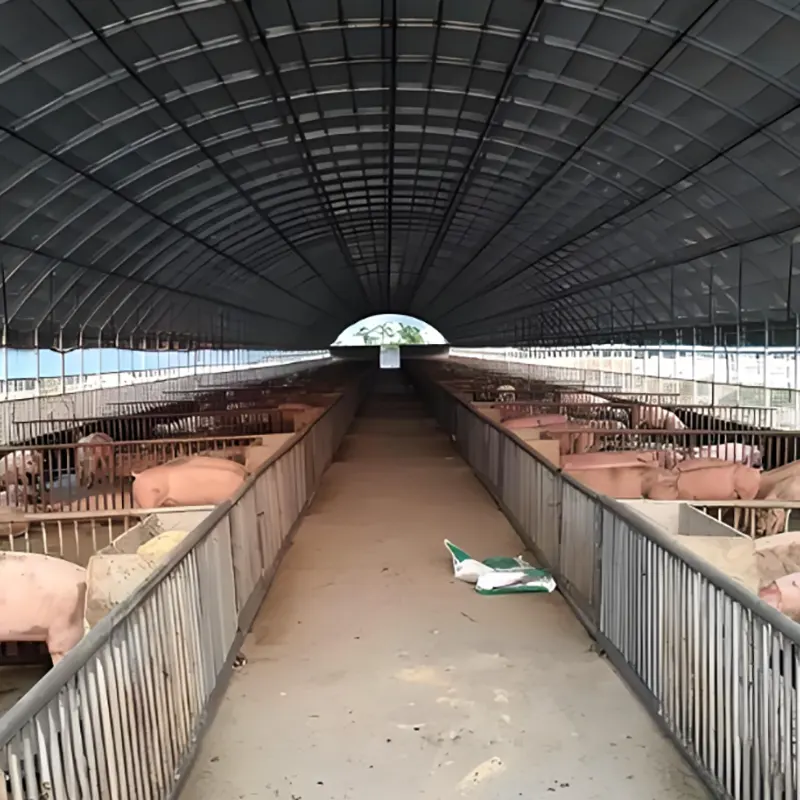
The appropriate structure depends primarily on the type of farming, local climate, expected operating period, and whether the facility needs to remain at one fixed location.
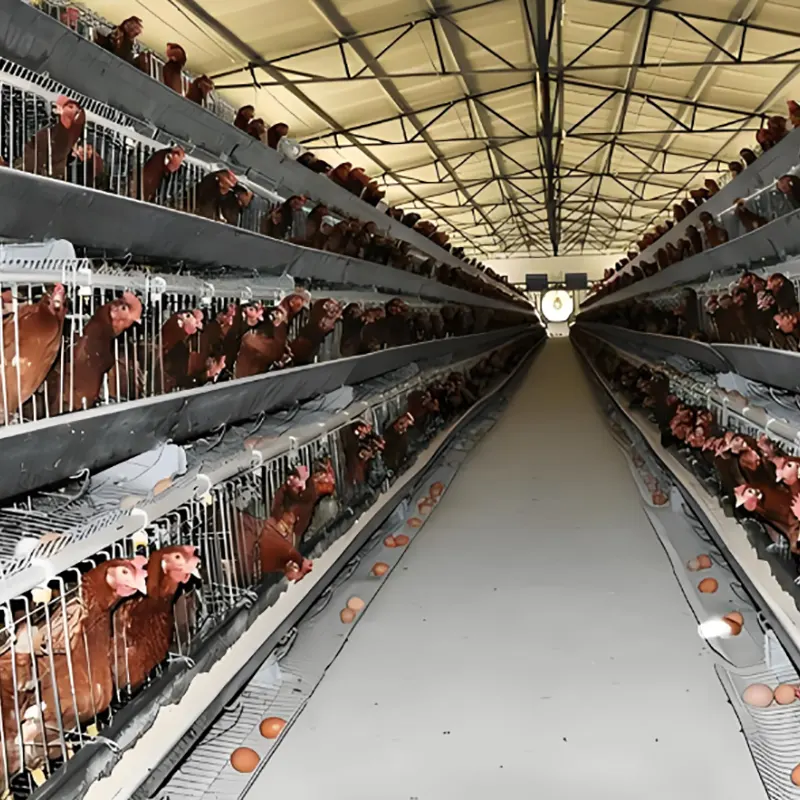
For chicken and duck farming, the prefabricated full-steel structure can be considered where ventilation, cleaning, and flexible installation are important.
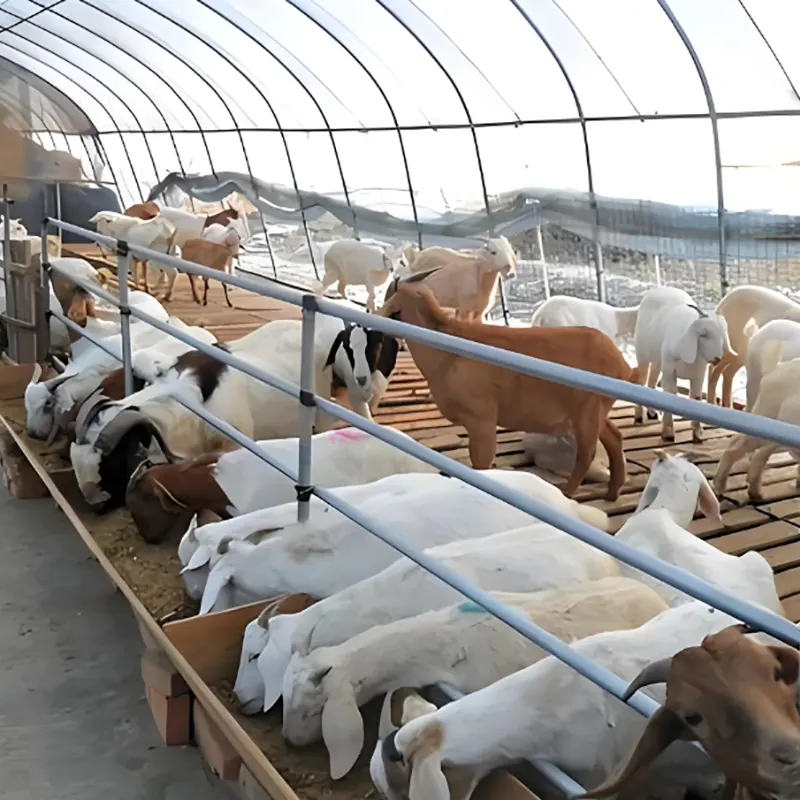
For larger livestock such as cattle and sheep, a reinforced steel-frame configuration is more suitable where higher structural loads, livestock movement, and impact resistance need to be considered.
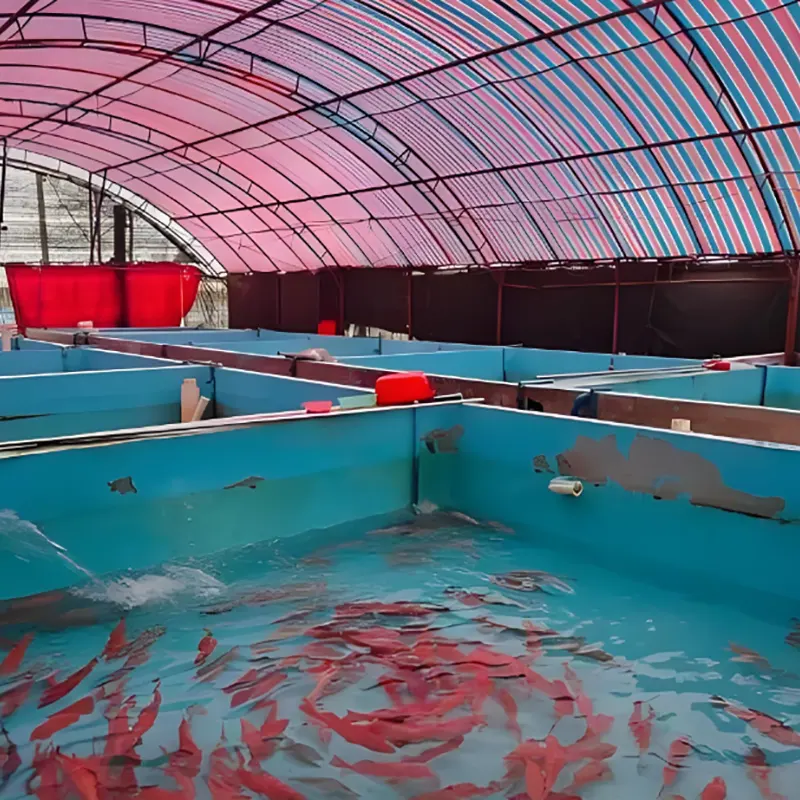
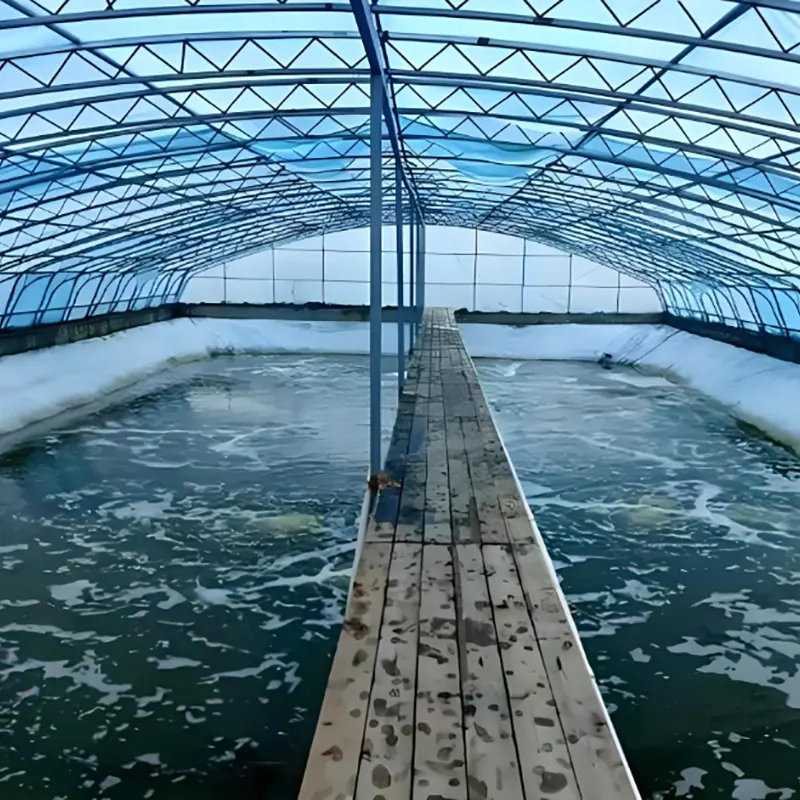
For shrimp and crab farming, the structure should be selected with greater attention to humidity, water vapor, corrosion exposure, and enclosure requirements. A roof frame with a more enclosed or insulated configuration may be considered depending on the specific aquaculture environment.
For small-scale livestock operations or seasonal brooding and fattening, an economical prefabricated steel structure can provide a more straightforward installation solution.
Customers can provide the livestock or aquaculture type, local climate, site area, and expected service period so that the structure can be selected according to actual project conditions.
Livestock Greenhouses can be customized according to the number of animals, site size, farming method, and regional weather conditions. Structural dimensions such as span, length, eave height, and ventilation-opening size can be adjusted accordingly.
Projects for brooding, fattening, poultry housing, cattle and sheep farming, and other livestock applications may require different internal layouts and structural arrangements. Ruize can develop the structure around the specific operating requirements instead of applying one identical configuration to every farm.
Depending on the project, the structure can be equipped with supporting systems such as:
The supporting equipment and structural interfaces can be coordinated during the planning stage when the customer requires an integrated livestock facility.
For overseas projects, the prefabricated structure is supplied with installation documentation to make onsite assembly easier to organize. Standardized frame components and accessories also simplify later replacement when individual parts need maintenance.
During installation, the foundation and frame arrangement should be matched to local wind, snow, soil, and operating conditions. Galvanized surfaces should be protected during assembly, structural connections should be properly tightened, and ventilation and enclosure components should be checked after installation.
Regular inspections should focus on structural connections, covering or enclosure components, ventilation accessories, and areas exposed to persistent moisture or corrosive agricultural conditions.
A prefabricated full-steel structure is suitable when relocation and standardized assembly are important. A brick-and-concrete building is more appropriate for a long-term fixed site where stronger enclosure and insulation are required. A standard steel greenhouse is a more economical option for small-scale or seasonal farming.
The frame uses hot-dip galvanized steel to improve corrosion resistance in humid livestock environments and against exposure to ammonia and manure-related conditions. Additional galvanized specifications can be considered for areas with heavier moisture or corrosive exposure.
Yes. Span, length, eave height, ventilation-opening dimensions, and other structural parameters can be customized according to the livestock quantity, available site, climate, and farming method. Non-standard structural arrangements can also be considered.
Yes. Ruize supports overseas projects and can arrange container shipping for livestock greenhouse components. Full-container and consolidated-container transportation can be selected according to the order and shipment requirements, together with the relevant export documentation.
Yes. Depending on the project, the structure can be coordinated with ventilation and cooling systems, automatic feeding and drinking lines, manure-removal equipment, insulated curtains, and disinfection spray systems.
Yes. The structural specification can be adjusted according to local wind and snow conditions, including thicker steel members or additional bracing where required by the project design.
Yes. Standard structural and connection components can be supplied separately for maintenance, repair, or later expansion, making it easier to replace individual parts without rebuilding the complete facility.
Yes. Poultry, cattle, sheep, and aquaculture facilities have different requirements for height, ventilation, enclosure, internal access, and equipment arrangement. The structural configuration should therefore be selected according to the specific species and farming method.
Copyright © 2026 Tianjin Ruize Steel Co., Ltd. All Rights Reserved.