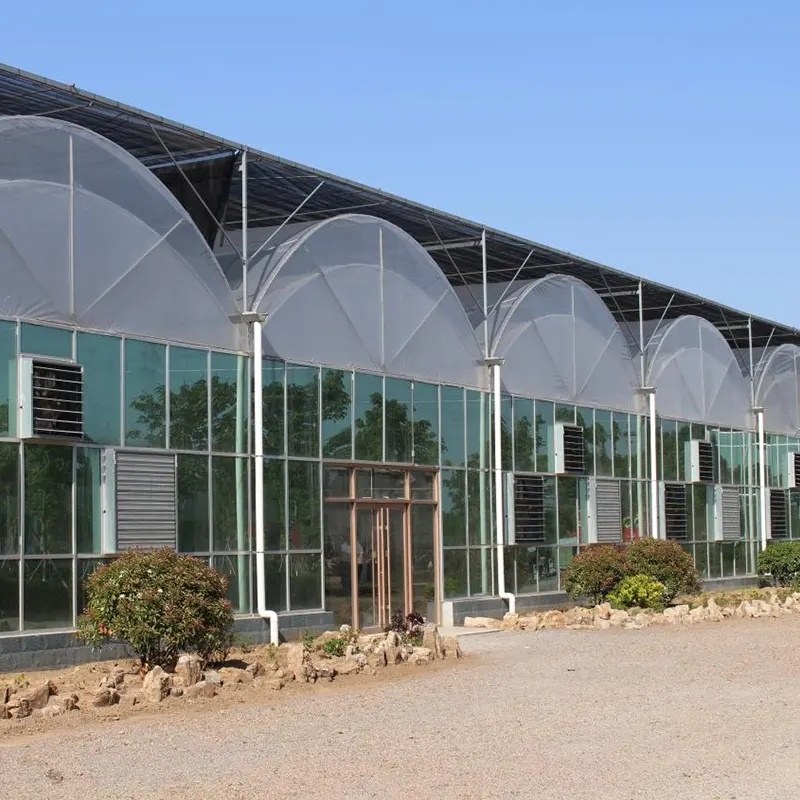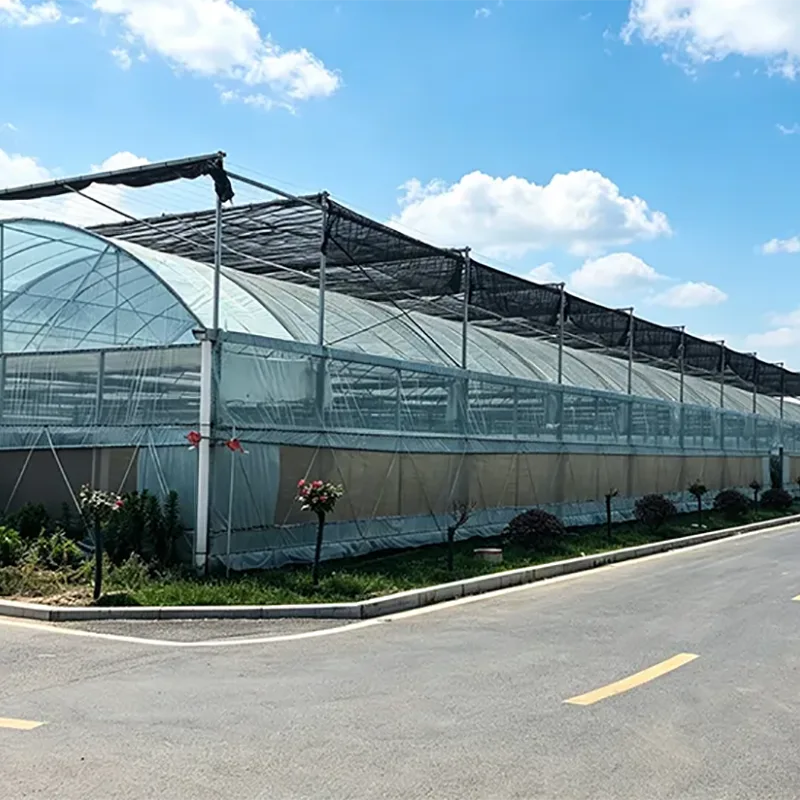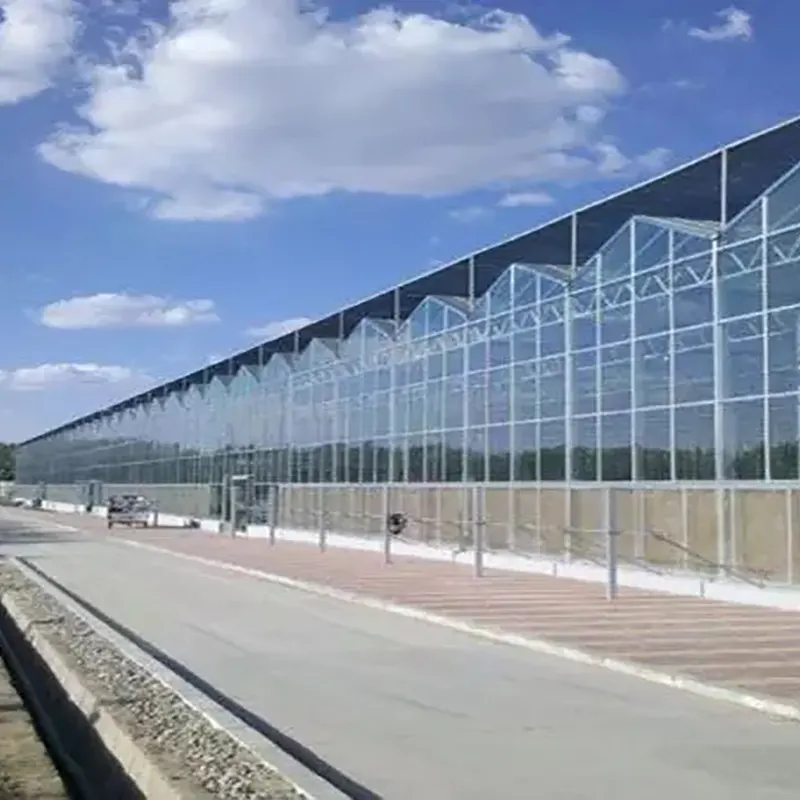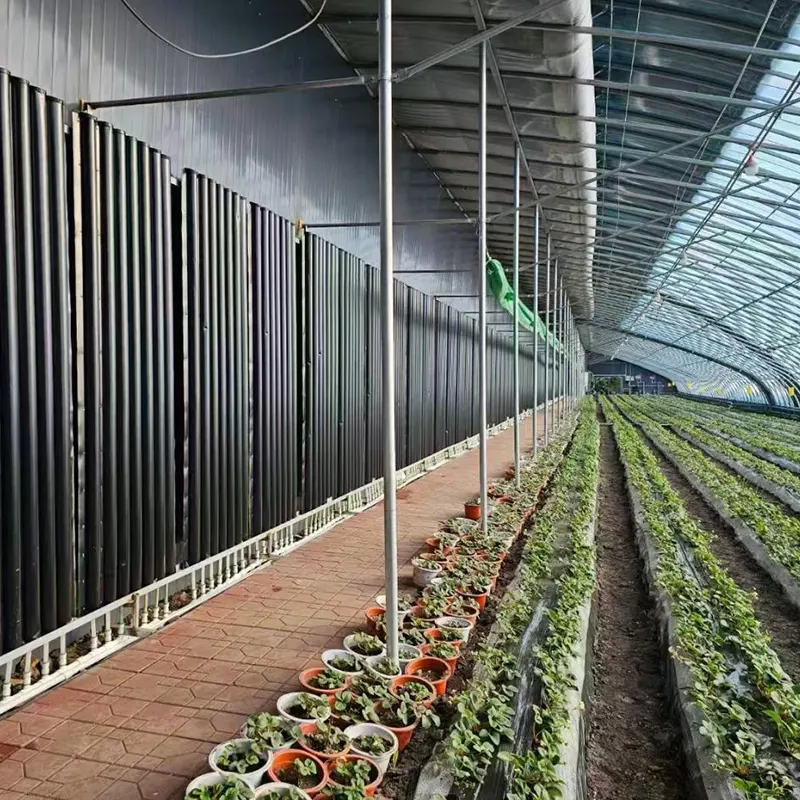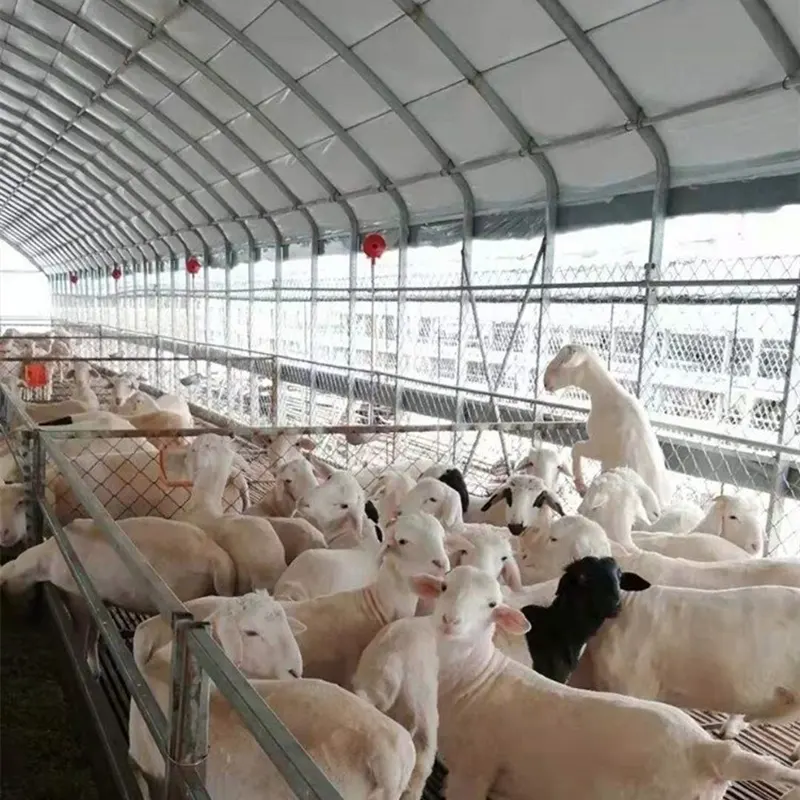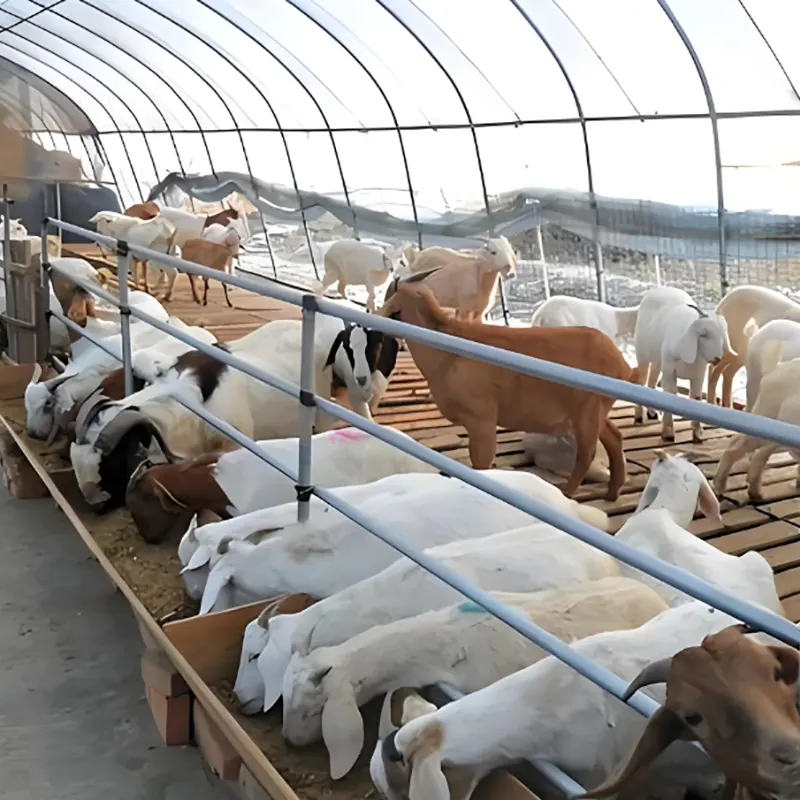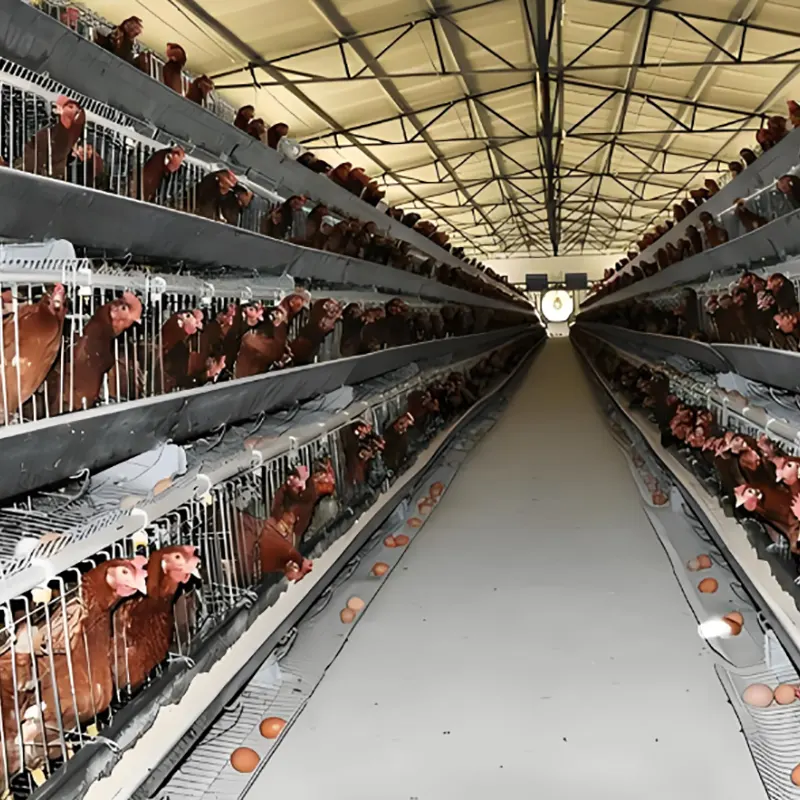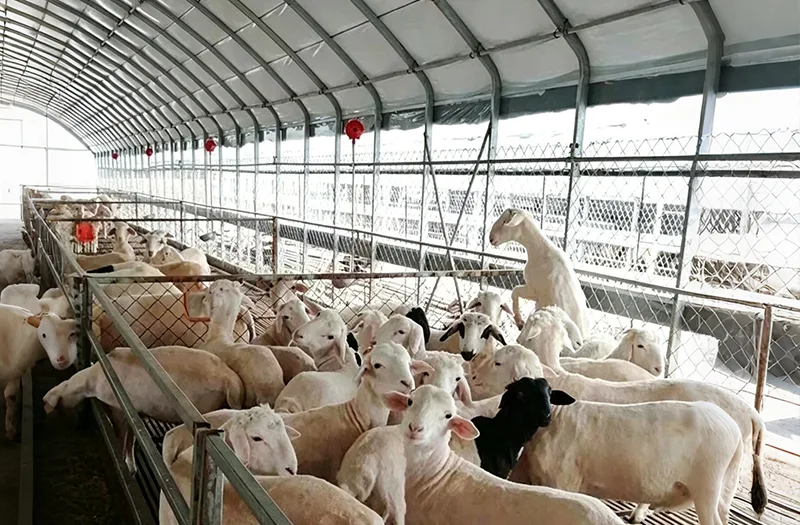
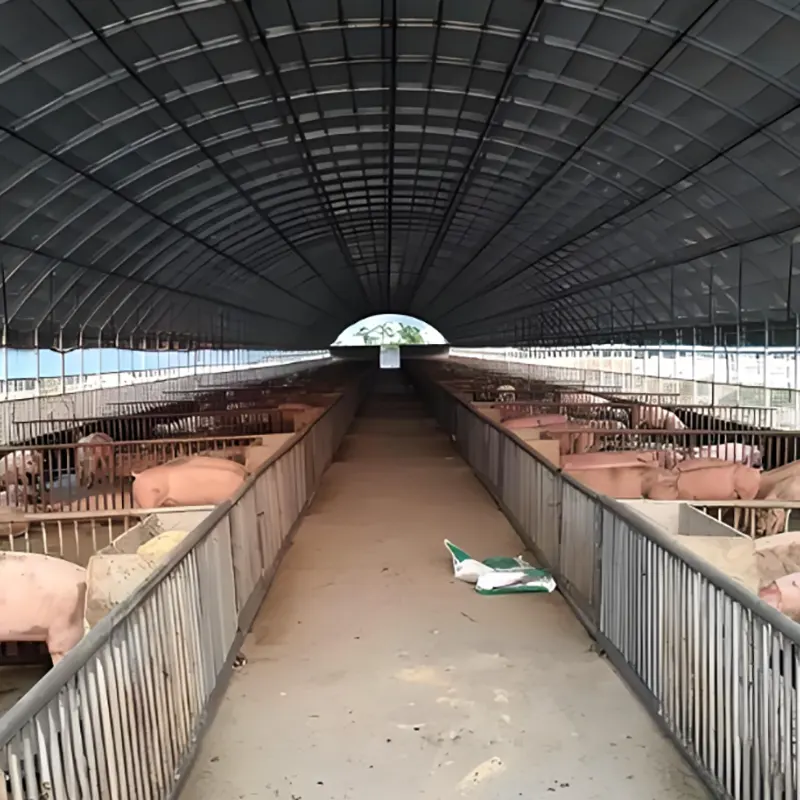
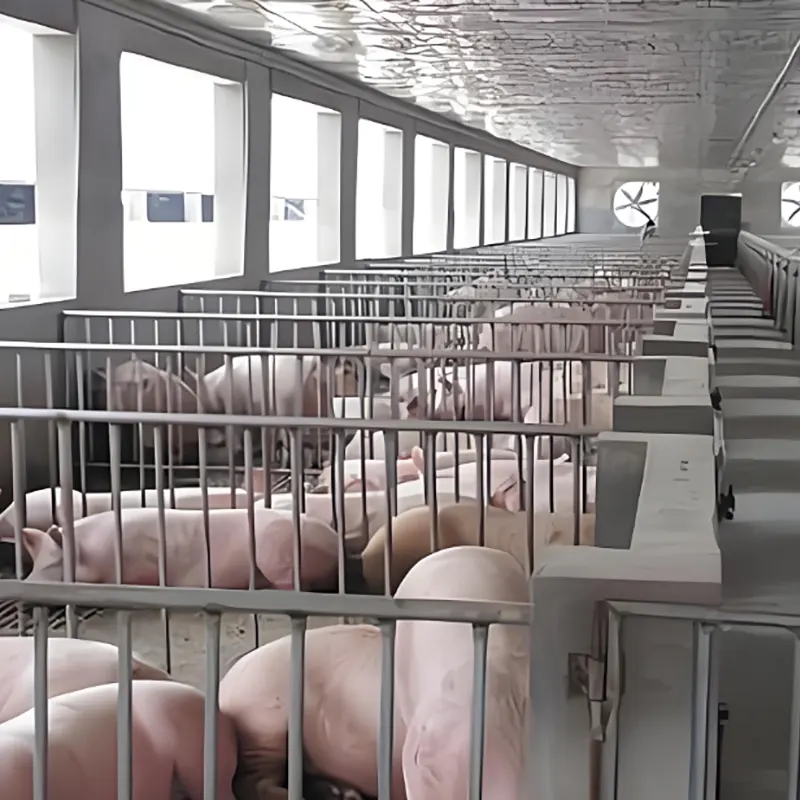
For farms raising fattening pigs, sows or piglets, the Pig Breeding Shed provides a more controlled housing environment than a general livestock shelter. Ruize manufactures this structure in China and supplies it as a manufacturer and factory supplier for overseas pig-farming projects. The design brings together an enclosed building, negative-pressure ventilation, corrosion-resistant steel and dedicated equipment space so that housing, feeding, cleaning and environmental management can be organized within one facility.
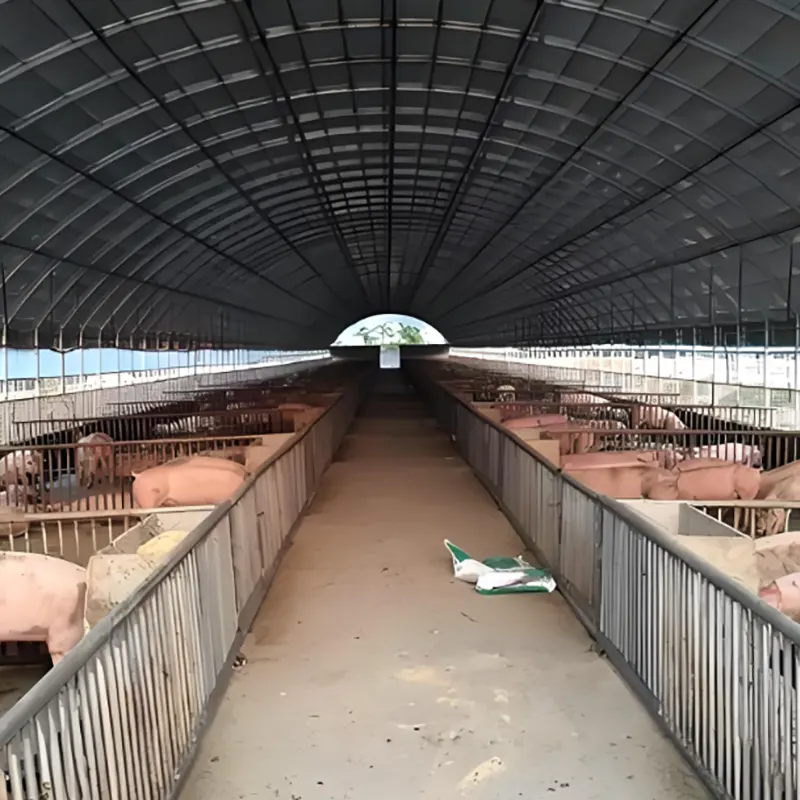
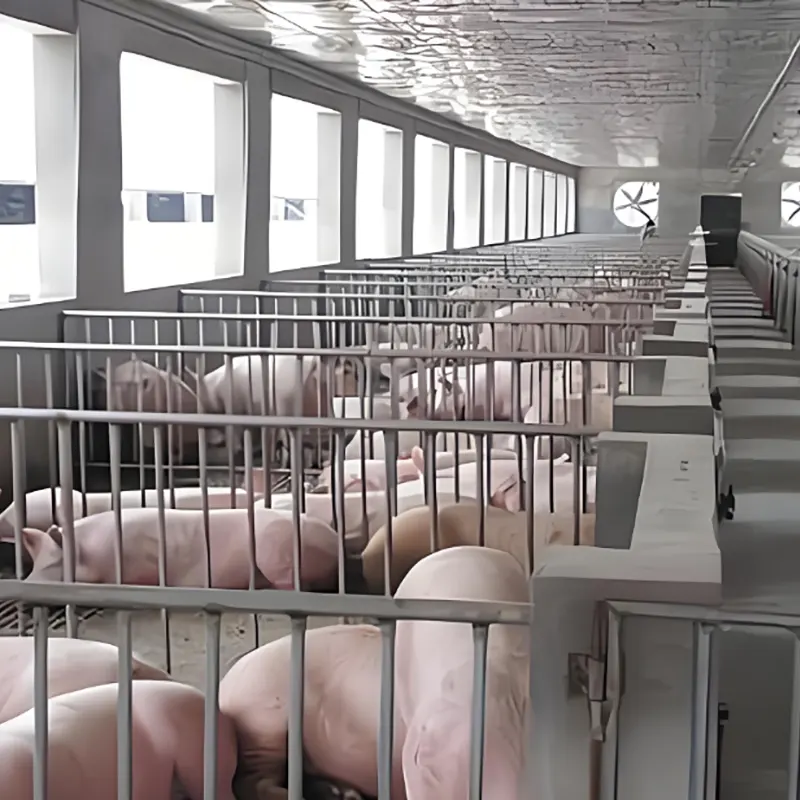
Pig houses face a combination of high humidity, manure, urine and ammonia that can quickly affect both the structure and the indoor environment. The shed is therefore focused on controlling airflow, temperature, odor and exposure to outside contaminants while keeping the structure suitable for continuous pig production.
Compared with a general-purpose livestock shed, the pig breeding shed places greater emphasis on enclosure and environmental control. This makes it suitable for intensive fattening, sow breeding and piglet care where indoor conditions need to be managed more closely.
The shed can be fully enclosed with covering materials and combined with a cooling pad and fan system. During hot weather, the cooling system helps reduce indoor heat, while the enclosed structure can be used to limit cold-air exposure during winter.
This allows the housing environment to be adjusted according to the season rather than relying entirely on outdoor conditions. The actual temperature achieved depends on local weather, stocking density, enclosure, ventilation capacity and the selected equipment.
Ammonia and humid air are natural challenges in intensive pig production. A longitudinal negative-pressure ventilation system can be used to pull indoor air through the shed and discharge ammonia, moisture and other unwanted gases.
Removing humid and contaminated air helps maintain a more suitable housing environment and supports ventilation management in densely stocked pig houses.
Ventilation equipment should be planned together with pig density, shed dimensions and equipment placement. Airflow that is too weak may leave humid or ammonia-rich areas, while poorly arranged airflow can create unwanted drafts around the animals.
Pig manure and urine create a more corrosive environment than many ordinary agricultural applications. The shed uses a thickened high-zinc hot-dip galvanized steel frame together with corrosion-resistant components to cope with long-term exposure to moisture, manure and urine.
The galvanized structure is intended to reduce rust and corrosion under intensive pig-farming conditions. Regular cleaning, ventilation and drainage remain important for maintaining the frame and the surrounding housing environment.
The shed can be operated in a fully enclosed configuration to reduce uncontrolled exposure to wild birds, mosquitoes and outside contaminants. This gives the farm greater control over the housing environment and supports biosecurity management.
For farms with strict animal-management procedures, enclosure, ventilation, disinfection and internal zoning can be considered as part of the overall building arrangement rather than as separate additions.
The structure can be arranged around the equipment used in modern pig production. This allows the shed to serve different production stages while keeping feeding, cleaning, housing and environmental-control systems within the same operational layout.
| Equipment | Application |
| Sow Farrowing System | Dedicated housing arrangement for sows during farrowing |
| Piglet Nursery Beds | Housing and care area for young piglets |
| Automatic Feed Line | Automated feed delivery for intensive pig housing |
| Water Line | Water supply for the pig housing area |
| Automatic Manure Removal | Routine collection and removal of manure |
| Cooling Pad System | Summer heat management |
| Negative-pressure Fans | Forced ventilation and air exchange |
| Spray Disinfection System | Routine environmental disinfection |
| Winter Insulation System | Reduced exposure to cold conditions |
The final equipment layout should be determined according to the type of pigs housed, stocking arrangement and daily management process.
The shed can be divided into different areas for fattening pigs, sows and piglets. This makes it possible to organize housing conditions and daily management around the needs of each production stage.
The internal zoning can be planned together with cage or pen arrangements, feeding routes, manure-removal equipment and ventilation flow.
| Item | Configuration |
| Product Type | Pig Breeding Shed |
| Main Structure | Thickened high-zinc hot-dip galvanized steel frame |
| Housing Mode | Enclosed intensive pig housing |
| Ventilation | Longitudinal negative-pressure ventilation |
| Cooling | Cooling pad system and ventilation fans |
| Biosecurity | Full enclosure with bird and insect protection options |
| Production Areas | Fattening, sow breeding and piglet care |
| Optional Equipment | Automatic feed line, water line, manure removal, spray disinfection and winter insulation systems |
| Customization | Pig-house layout, equipment arrangement and environmental-control configuration |
The Pig Breeding Shed is intended for pig farms that require enclosed housing and closer control of temperature, ventilation and hygiene.
Temperature, ventilation and enclosure work together in an intensive pig house. During summer, the cooling pad and fan system can help remove heat, while negative-pressure ventilation can continuously discharge humid and ammonia-containing air.
In winter, the shed can be kept enclosed and combined with an insulation system to reduce cold-air exposure. The appropriate combination depends on local climate, pig density and the production stage being housed.
A pig house is not only a shelter; its structure needs to work with feeding, watering, manure removal, disinfection and animal movement. Equipment positions and internal zones should therefore be planned before construction.
For larger farms, the layout can be organized around the different production stages, with dedicated areas for sows, piglets and fattening pigs and corresponding equipment arranged around each area.
Ruize handles steel structure production for pig-farming projects and prepares the structural components for export. The shed can be supplied with reinforced packaging for overseas transportation to protect the components during handling and shipping.
Project support can include pig-farm layout planning, equipment arrangement, ventilation planning and remote technical guidance. Installation information can be provided to help overseas teams assemble the structure and coordinate the supporting systems.
Because pig housing is continuously exposed to moisture, manure and ammonia, regular inspection of the galvanized frame, connection points, enclosure and ventilation equipment is important.
Maintaining clear ventilation paths and keeping the housing environment properly managed can also help protect the structural components from unnecessary long-term exposure to corrosive conditions.
The pig breeding shed places more emphasis on enclosure, temperature control, negative-pressure ventilation, corrosion resistance and biosecurity. It is specifically arranged around the higher humidity, ammonia and manure exposure associated with intensive pig production.
Yes. The interior can be divided according to production stage, allowing areas for fattening pigs, sow breeding and piglet care to be organized within the overall farm layout.
Longitudinal negative-pressure ventilation can remove ammonia-containing air, humidity and other gases from the housing area. Ventilation performance depends on fan capacity, shed dimensions, pig density and the overall airflow arrangement.
Yes. The shed can be arranged around automatic feed lines, water lines and automatic manure-removal equipment. Their positions should be determined together with the cage or pen layout and daily operating routes.
The structure uses a thickened high-zinc hot-dip galvanized frame and corrosion-resistant components specifically for the humid and corrosive conditions associated with pig housing.
Yes. In hot weather, the shed can be combined with cooling pads and ventilation fans. During colder periods, the enclosure can be combined with a winter insulation system. The final configuration should be matched to the local climate and pig housing requirements.
Address
Daqiuzhuang Town, Jinghai District, Tianjin, China
Tel
If you have any enquiry about quotation or cooperation, please feel free to email us at ruizesteel@ruizegreenhouse.com or use the following inquiry form. Our sales representative will contact you within 24 hours. Thank you for your interest in our products.
Phone:+86-15602082226
WeChat:15602082226
Fax:+86-022-59580608
Web:www.ruizegreenhouse.com
Copyright © 2026 Tianjin Ruize Steel Co., Ltd. All Rights Reserved.