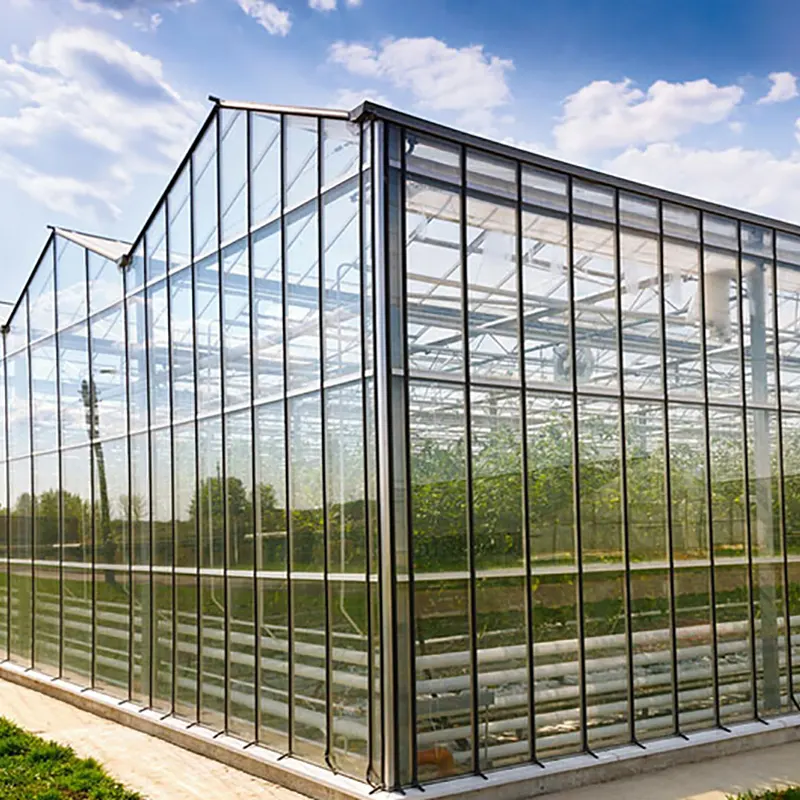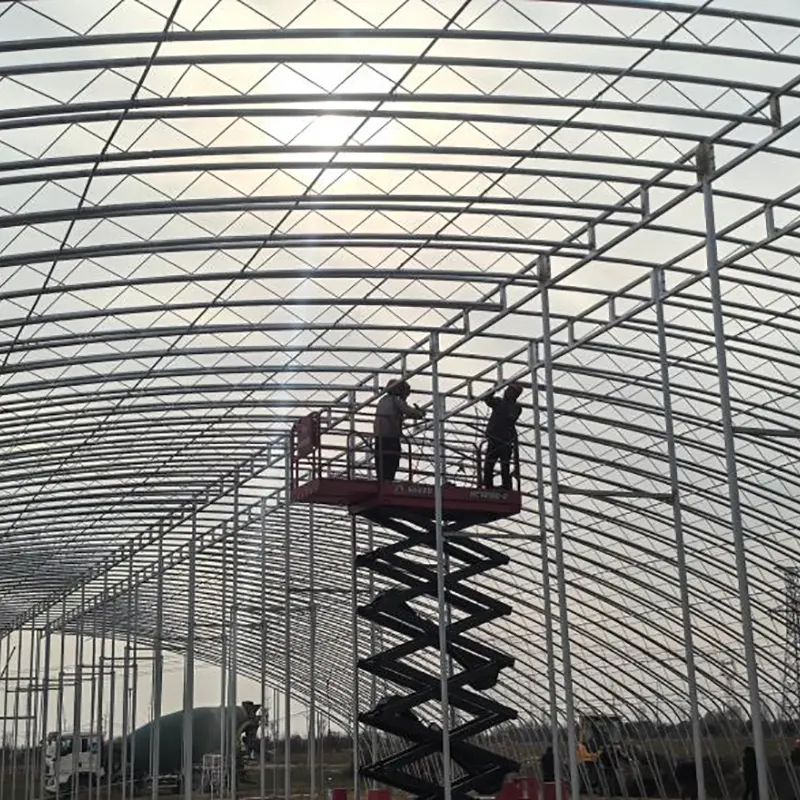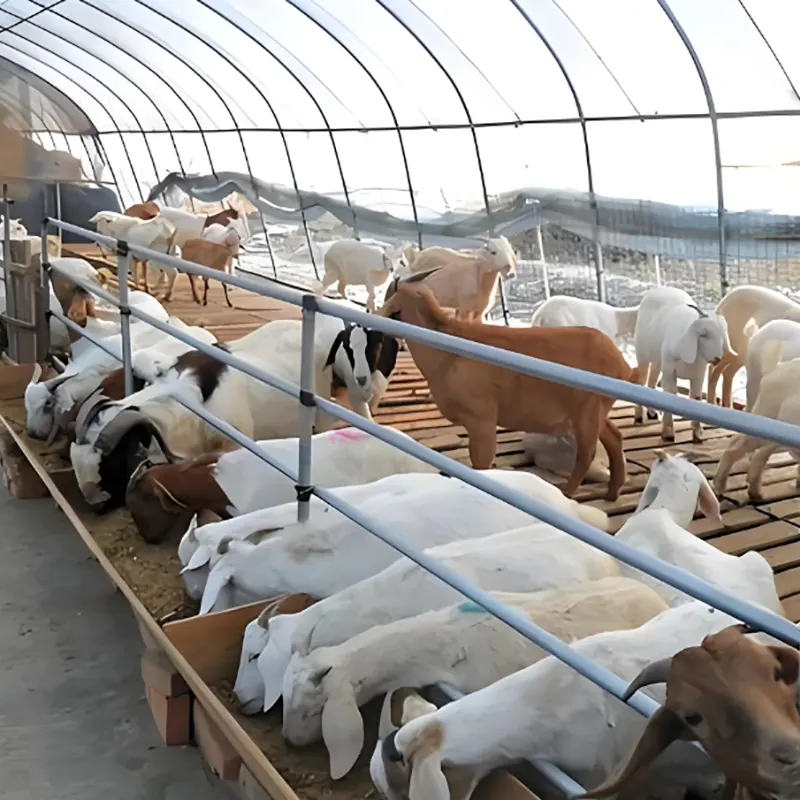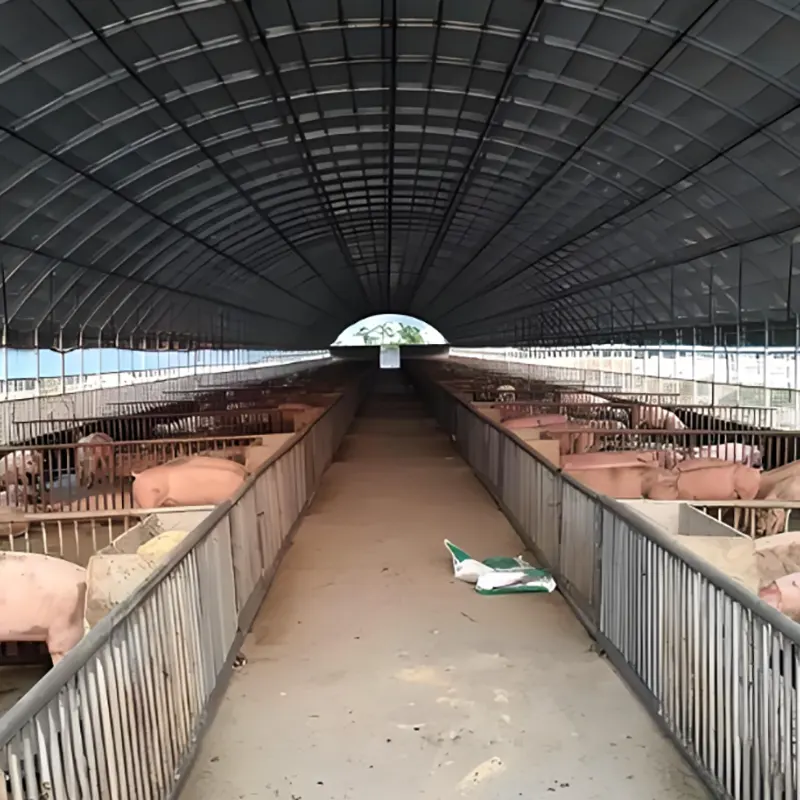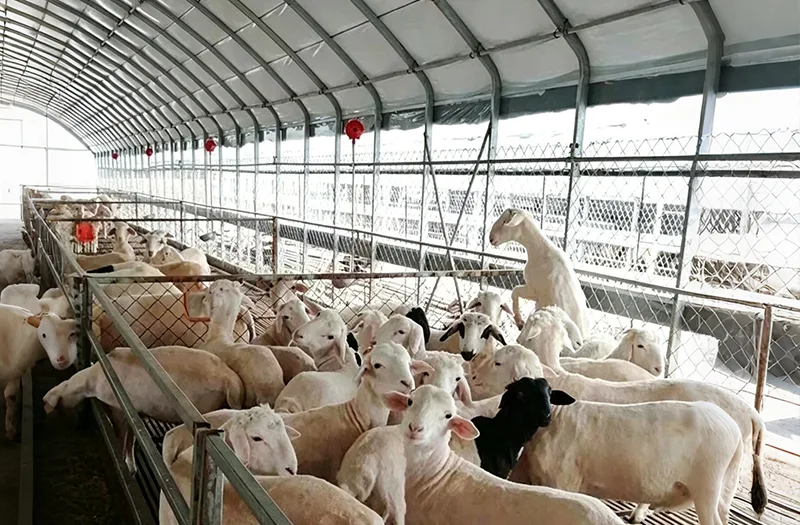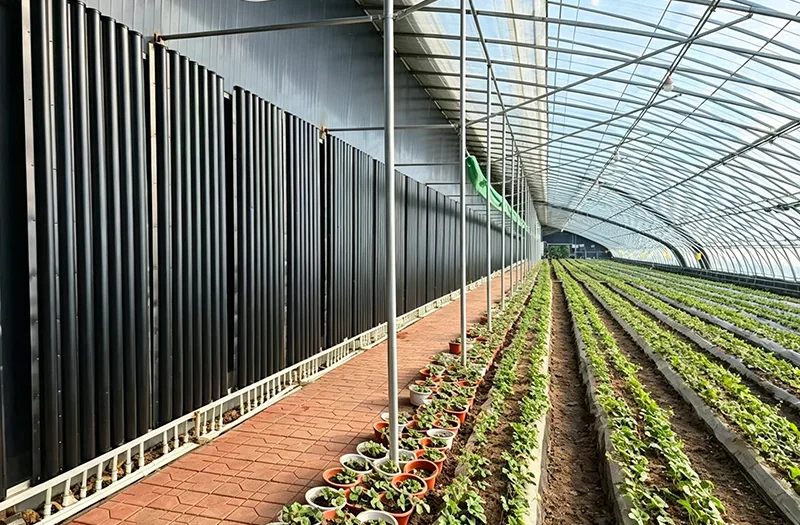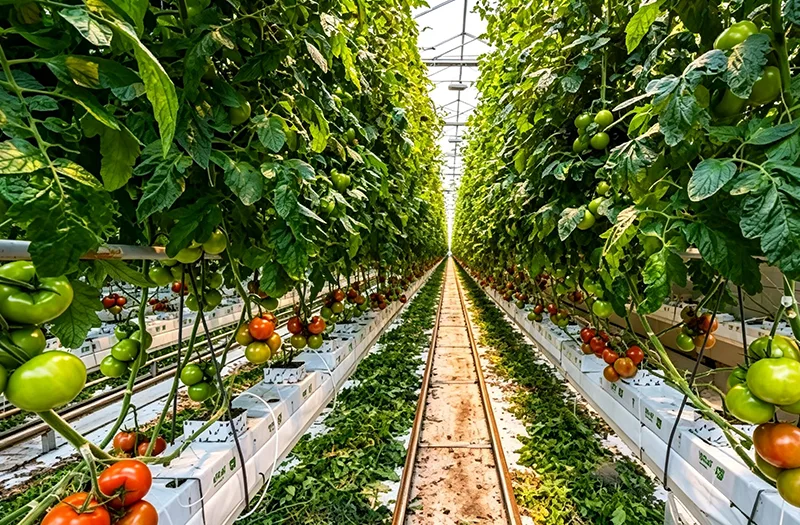

Modern agriculture increasingly requires stable cultivation environments that can reduce the influence of seasonal temperature changes and improve crop management flexibility. Solar Greenhouses combine solar energy utilization, insulation structures, and durable steel frameworks to support winter cultivation, nursery production, and protected farming in different climate conditions.
Selecting the proper greenhouse structure requires consideration of regional weather, crop characteristics, available land, ventilation requirements, and expected cultivation methods. Different designs provide different levels of heat preservation, space utilization, and environmental control capability.
This guide explains the structural principles, major configurations, installation considerations, and selection methods to help agricultural projects understand how different greenhouse solutions can match practical growing requirements.
- Why Protected Cultivation Needs Better Temperature Management
- How Solar-Based Greenhouse Structures Work
- Four Structural Configurations for Different Growing Conditions
- How Climate Conditions Influence Greenhouse Selection
- Important Installation and Maintenance Practices
- How to Match Greenhouse Design with Crop Requirements
- Frequently Asked Questions
Why Protected Cultivation Needs Better Temperature Management
Agricultural production is strongly affected by environmental changes. Low temperatures, frost, strong winds, and unstable weather conditions can influence plant growth cycles and create challenges for growers who need consistent cultivation conditions. Traditional open-field farming often depends heavily on natural weather patterns, while protected cultivation provides a controlled environment that helps reduce external climate impact.
A well-designed greenhouse creates a barrier between crops and outside conditions while allowing growers to manage light, ventilation, humidity, and temperature more effectively. In colder regions, maintaining suitable internal conditions during winter is especially important because many crops require protection from freezing temperatures and sudden weather changes.
The development of energy-efficient greenhouse structures has focused on improving natural heat collection and reducing heat loss. By combining transparent covering materials, insulated walls, and reinforced frames, modern agricultural structures can create more stable growing environments without relying only on external heating systems.
Solar Greenhouses are designed around these principles. They use the natural energy from sunlight during the daytime and combine it with insulation systems to maintain more favorable internal conditions after sunset. This approach is suitable for vegetable cultivation, plant nurseries, flowers, medicinal plants, and other protected agricultural applications.
Reducing the Influence of Seasonal Temperature Changes
Temperature stability is one of the most important factors in protected cultivation. Large temperature differences between daytime and nighttime can slow plant development and affect crop quality. Greenhouse structures with better insulation performance can help reduce these fluctuations by storing and releasing heat gradually.
- Improved protection against cold air and frost conditions
- More stable internal temperature changes between day and night
- Better growing conditions during colder seasons
- Greater flexibility for seasonal planting schedules
Supporting Different Agricultural Applications
Greenhouses are not limited to one crop category. Depending on design requirements, they can support multiple applications including vegetable production, seedling cultivation, flower planting, agricultural demonstration projects, and specialized plant research.
The structural design should always match the actual agricultural purpose. A nursery greenhouse may require different height, ventilation, and temperature control features compared with a large-scale vegetable production facility.
How Solar-Based Greenhouse Structures Work
The working principle of a solar-oriented greenhouse is based on collecting, storing, and maintaining thermal energy. During daylight hours, sunlight enters through transparent covering materials and warms the internal space. Insulated components then help reduce heat loss when outdoor temperatures decrease.
The structure usually combines a steel framework with insulation materials, covering systems, and sometimes dedicated heat-storage elements. Each component contributes to maintaining a suitable environment for plant growth.
| Structural Element | Main Function | Growing Benefit |
|---|---|---|
| Steel Framework | Provides structural strength and supports greenhouse components | Creates a stable foundation for long-term agricultural use |
| Insulated Wall System | Reduces heat loss during colder periods | Helps maintain internal temperature stability |
| Transparent Covering | Allows sunlight transmission | Supports natural heat collection and plant photosynthesis |
| Ventilation Equipment | Controls airflow and humidity | Improves crop growth conditions |
The Role of Heat Storage and Insulation
Heat storage is an important feature for greenhouse structures used in colder areas. Materials with thermal storage capability can absorb heat during sunny periods and gradually release it when temperatures drop.
Insulation performance depends on multiple factors including wall design, covering materials, sealing conditions, and construction quality. A complete greenhouse solution should consider these factors together instead of focusing on only one component.
Four Structural Configurations for Different Growing Conditions
Different agricultural projects require different greenhouse structures because climate conditions, crop types, and cultivation goals vary significantly. A greenhouse designed for a temperate region may not provide the same performance in an area with long winters or frequent snowfall. Selecting an appropriate structure helps create a more suitable growing environment.
The main configurations include single-layer structures, double-film frame structures, multi-span systems, and heat-storage designs. Each type has different insulation characteristics, space layouts, and application ranges.
| Greenhouse Type | Structure Features | Temperature Adaptability | Main Applications |
|---|---|---|---|
| Single-Layer Structure | Solar heat collection system combined with a single insulated wall design | Suitable for around -10°C conditions | Autumn and winter vegetables, nursery production, temperate regions |
| Double-Film Frame Structure | Double-layer insulated frame with inner and outer film covering | Suitable for around -20°C conditions | Cold regions, high-altitude cultivation, flower protection |
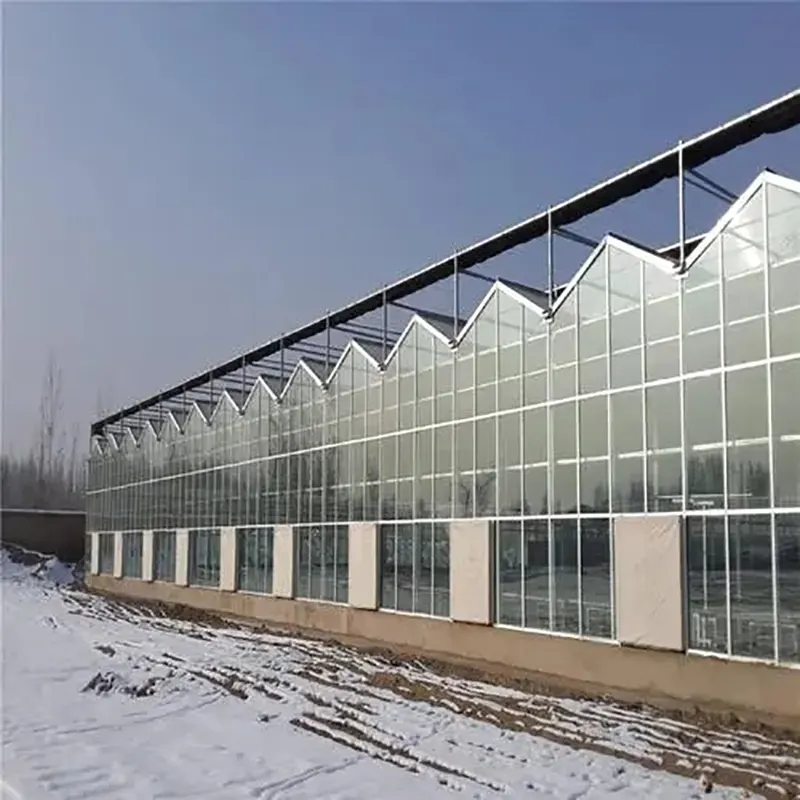
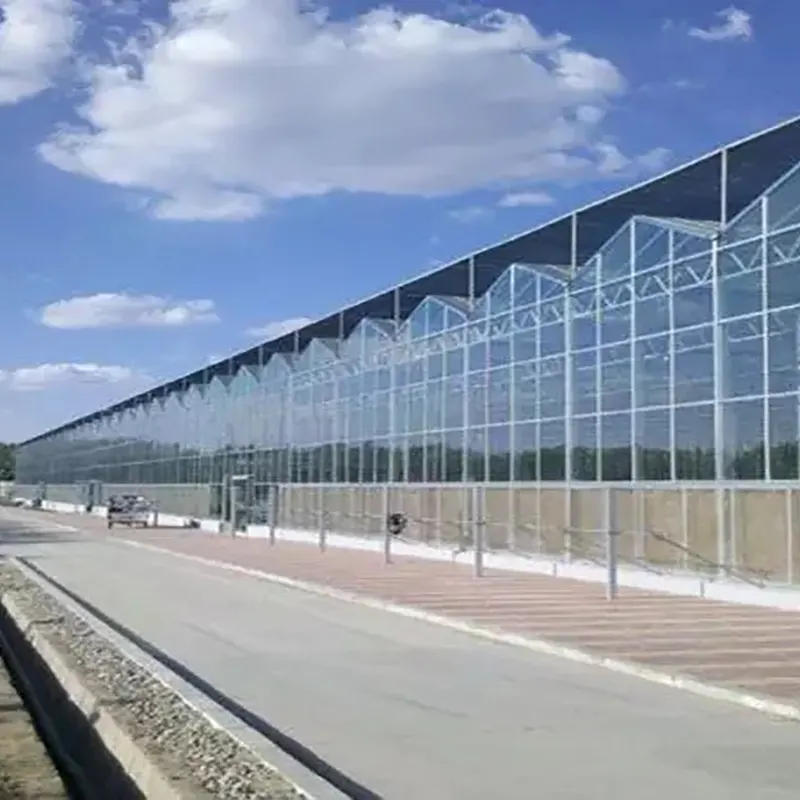
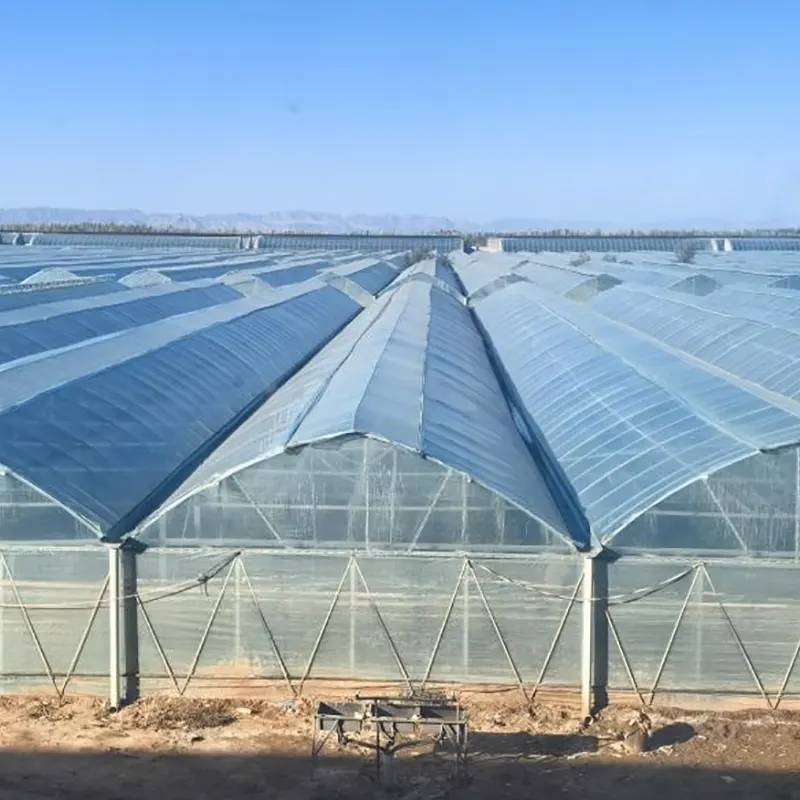
| Multi-Span Structure | Connected steel framework forming a larger cultivation area | Suitable for around -15°C conditions | Agricultural bases, nursery centers, industrial farming projects |
| Heat-Storage Structure | Dedicated heat-storage wall combined with reinforced framework | Suitable for around -30°C conditions | Extremely cold regions and year-round cultivation projects |
Single-Layer Design for Moderate Climate Areas
The single-layer configuration focuses on simple structure and practical insulation performance. It combines solar heat collection with an insulated rear wall system to reduce the impact of colder weather.
This type is commonly used for vegetable cultivation, seasonal planting, and nursery production in regions where winter temperatures are moderate. Its relatively simple construction also makes it easier to maintain and operate.
- Suitable for small and medium agricultural planting areas
- Provides basic frost protection during colder seasons
- Uses natural sunlight as an important heat source
- Allows convenient daily management and maintenance
Double-Film Structure for Stronger Cold Protection
In colder regions, improving insulation performance becomes a key consideration. The double-film configuration uses two layers of covering materials with an air insulation layer between them, helping reduce heat transfer.
This design can provide better protection against frost formation and temperature drops. It is often selected for winter vegetable cultivation, flower protection, and plant production areas located in colder climates.
Multi-Span Structure for Larger Agricultural Layouts
Large agricultural projects often require wider internal spaces and efficient land utilization. Multi-span greenhouse systems connect several growing areas through a continuous steel structure, creating a larger cultivation environment.
The connected layout allows easier installation of irrigation systems, ventilation equipment, environmental monitoring devices, and other agricultural management systems.
- Provides organized internal cultivation zones
- Supports centralized agricultural management
- Creates better space utilization for large planting areas
- Can integrate with modern agricultural equipment
Heat-Storage Design for Severe Winter Conditions
Areas with long winters and frequent cold weather require stronger thermal protection. The heat-storage configuration combines reinforced structural components with dedicated thermal storage systems to maintain internal conditions for longer periods.
This type is commonly considered for regions with prolonged snowfall, short frost-free periods, and crops requiring stable winter protection.
How Climate Conditions Influence Greenhouse Selection
Climate is one of the most important factors when selecting a greenhouse structure. Temperature range, snowfall, wind conditions, sunlight availability, and seasonal changes all influence the final design requirements.
A suitable greenhouse should be designed according to local environmental characteristics instead of applying the same structure to every location.
Cold Region Considerations
In areas with long winters, insulation capability and structural strength are especially important. Growers should consider wall insulation, covering layers, snow load requirements, and heat storage performance.
- Evaluate minimum winter temperature conditions
- Consider local snowfall frequency and snow accumulation
- Select suitable insulation materials
- Strengthen structural components according to environmental loads
Temperate Region Considerations
Temperate regions usually experience less extreme winter conditions, allowing more flexibility in greenhouse selection. A balanced design should provide enough insulation while maintaining good ventilation during warmer seasons.
Proper ventilation is essential because excessive internal temperature and humidity can influence plant health. Roof vents, side ventilation systems, and automatic control equipment can improve environmental management.
High-Altitude Agricultural Areas
High-altitude areas often have stronger sunlight during the daytime but experience significant temperature drops after sunset. Greenhouse designs for these locations need to consider both solar heat collection and nighttime insulation.
Reinforced structures, suitable covering systems, and effective heat preservation methods can help create a more stable cultivation environment.
Important Installation and Maintenance Practices
Proper installation and regular maintenance directly influence greenhouse performance. Even a well-designed structure requires correct assembly and continuous inspection to maintain stable operation.
Key Installation Points
- The solar-facing cultivation area should generally be oriented toward the south to improve sunlight collection.
- The insulation system should be installed evenly to reduce heat loss caused by gaps or poor sealing.
- The rear slope and supporting frame should be reinforced according to local snow conditions.
- All structural connections should be checked carefully during installation.
Routine Maintenance Schedule
| Maintenance Item | Recommended Action | Purpose |
|---|---|---|
| Surface Cleaning | Remove dust and snow from covering materials | Maintain sunlight transmission efficiency |
| Frame Inspection | Check bolts and connection points regularly | Maintain structural stability |
| Insulation Inspection | Check insulation layers and sealing strips | Reduce unnecessary heat loss |
| Ventilation System Check | Inspect opening mechanisms and equipment operation | Maintain suitable airflow conditions |
Seasonal Maintenance Requirements
Different seasons require different management approaches. During winter, snow removal and insulation checks are especially important. During warmer periods, ventilation management becomes more significant because excessive internal heat may affect plant growth.
Regular inspection helps identify small issues before they influence greenhouse operation. Components such as films, sealing materials, and mechanical parts should be replaced when aging affects performance.
How to Match Greenhouse Design with Crop Requirements
Choosing a greenhouse structure should always begin with understanding the crop requirements. Different plants have different expectations for temperature, humidity, sunlight, ventilation, growing height, and cultivation space. A suitable design helps create an environment that supports healthy plant development throughout different growth stages.
Vegetables, flowers, nursery plants, medicinal plants, and research crops may require different greenhouse configurations. For example, leafy vegetables may focus more on temperature stability and ventilation, while taller plants may require greater internal height and improved air circulation.
Solar Greenhouses can be configured according to different agricultural applications by adjusting structural dimensions, insulation systems, covering materials, and supporting equipment. A customized approach helps ensure the greenhouse matches the actual planting environment.
Vegetable Cultivation Requirements
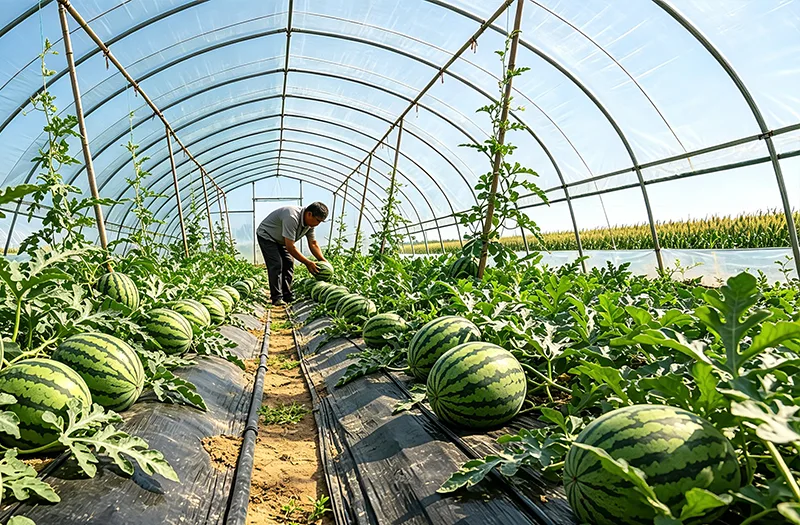
Vegetable production often requires stable temperature conditions, sufficient sunlight exposure, and convenient daily management. Crops such as tomatoes, cucumbers, peppers, and leafy vegetables may have different requirements for ventilation and internal space.
- Consider crop height when selecting greenhouse dimensions
- Provide suitable ventilation to manage humidity levels
- Ensure sufficient light transmission for photosynthesis
- Design internal pathways for convenient cultivation management
Nursery Production Requirements
Nursery production focuses on protecting young plants during early growth stages. Seedlings are often more sensitive to temperature changes, making insulation and environmental stability important considerations.
A greenhouse for nursery applications should provide a balanced environment with appropriate ventilation, temperature control capability, and easy access for daily observation and management.
Flower and Specialty Crop Applications
Flowers and specialty plants may require more precise environmental conditions compared with common vegetables. Factors such as humidity control, ventilation, and temperature consistency can influence plant quality.
For these applications, greenhouse design should consider the specific cultivation process, including plant spacing, support systems, irrigation methods, and environmental monitoring requirements.
How Structural Materials Influence Greenhouse Performance
The materials used in greenhouse construction directly affect durability, insulation capability, and operational stability. A complete greenhouse system usually includes structural steel, covering materials, insulation components, ventilation systems, and supporting equipment.
Steel Structure Selection
The steel frame provides the main support for the greenhouse. A properly designed structure should withstand local environmental conditions including wind pressure and snow loads.
Galvanized steel is commonly used for greenhouse frameworks because it provides corrosion resistance and helps maintain structural performance under outdoor conditions.
Covering Material Considerations
Covering materials influence light transmission, insulation performance, and internal climate conditions. Different materials provide different characteristics depending on the application.
| Covering Material | Main Characteristics | Suitable Applications |
|---|---|---|
| Plastic Film | Flexible installation, good light transmission, commonly used in agricultural structures | Vegetable production, seasonal cultivation |
| Double-Layer Film | Improved insulation through air-layer design | Cold climate cultivation |
| Polycarbonate Panels | Strong impact resistance and stable insulation performance | Long-term protected cultivation |
| Glass Panels | High transparency and durable appearance | Commercial cultivation and demonstration projects |
Why Customized Greenhouse Planning Matters
Every agricultural project has different conditions. Land size, climate environment, crop selection, and cultivation methods all influence the suitable greenhouse design.
A standardized structure may not always meet the requirements of a specific location. Customized planning allows important elements such as greenhouse width, length, height, insulation method, ventilation design, and internal layout to be adjusted according to practical needs.
Important Factors Before Project Design
- Local temperature range and seasonal climate changes
- Expected crops and cultivation methods
- Available land dimensions and site conditions
- Required insulation level and environmental control functions
- Future expansion possibilities of the agricultural project
As a China greenhouse structure manufacturer, Ruize provides greenhouse engineering solutions covering structural production, customized design, installation guidance, and technical support. The design process focuses on matching greenhouse configurations with actual project conditions instead of applying identical solutions for different environments.
Common Mistakes to Avoid When Selecting a Greenhouse
Selecting a greenhouse requires careful evaluation of technical requirements. Some common mistakes may reduce cultivation efficiency or create difficulties during future operation.
- Choosing a structure without considering local climate conditions
- Ignoring insulation requirements in colder regions
- Selecting greenhouse dimensions without considering crop growth space
- Overlooking ventilation and humidity management
- Failing to consider future maintenance requirements
A successful greenhouse project requires cooperation between structural design, agricultural planning, and operational management. Considering these elements together can create a more suitable growing environment for different applications.
Frequently Asked Questions
What is the main difference between a solar-oriented greenhouse and a conventional cold greenhouse?
A conventional cold greenhouse mainly provides basic protection from wind and rain, while a solar-oriented greenhouse focuses more on heat collection, insulation, and frost protection. The structure is designed to utilize sunlight and reduce heat loss, making it more suitable for winter cultivation and colder environments.
How do different greenhouse configurations handle cold temperatures?
Different structures provide different levels of cold resistance. Single-layer designs are generally suitable for moderate cold conditions, double-film structures provide stronger insulation, multi-span structures support larger agricultural layouts, and heat-storage designs are developed for more severe winter environments.
Can greenhouse dimensions and structures be customized?
Yes. Greenhouse dimensions, span width, height, roof design, insulation configuration, and supporting systems can be adjusted according to site conditions, crop requirements, and project planning needs.
What maintenance work should be completed regularly?
Regular maintenance includes checking structural connections, cleaning covering materials, inspecting insulation components, and ensuring ventilation equipment works properly. Seasonal inspections help maintain stable greenhouse performance.
Can overseas agricultural projects receive installation support?
Yes. Installation drawings, component information, technical guidance, and remote support can be provided to help overseas projects complete greenhouse installation and operation.
How should farmers choose the suitable greenhouse type?
The selection should consider local climate, crop type, cultivation scale, insulation requirements, and management methods. Moderate climates may use simpler configurations, while colder regions usually require stronger insulation and heat preservation structures.
Can one greenhouse design be used for different crops?
A greenhouse can support different crops, but the internal environment requirements may vary. Adjustments in ventilation, height, spacing, and environmental control systems may be necessary depending on the crop.
How does the greenhouse structure deal with wind and snow conditions?
The structure should be designed according to local wind pressure and snow load requirements. Reinforced steel frames, suitable roof forms, and correct installation methods help improve resistance against environmental conditions.
Looking for a greenhouse solution designed around your climate conditions and cultivation requirements? Contact us for professional guidance and a suitable agricultural structure plan.