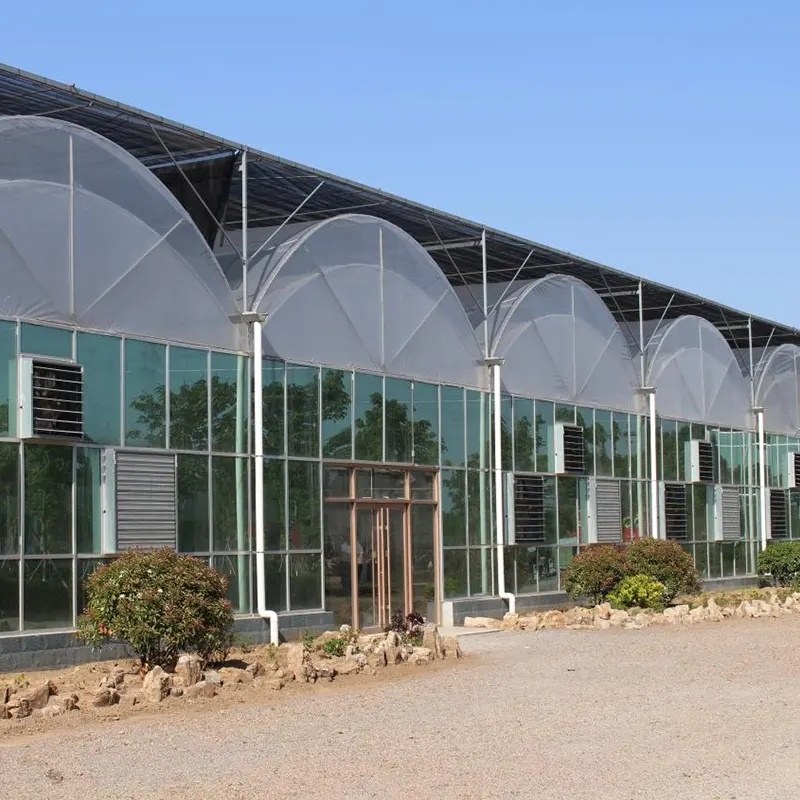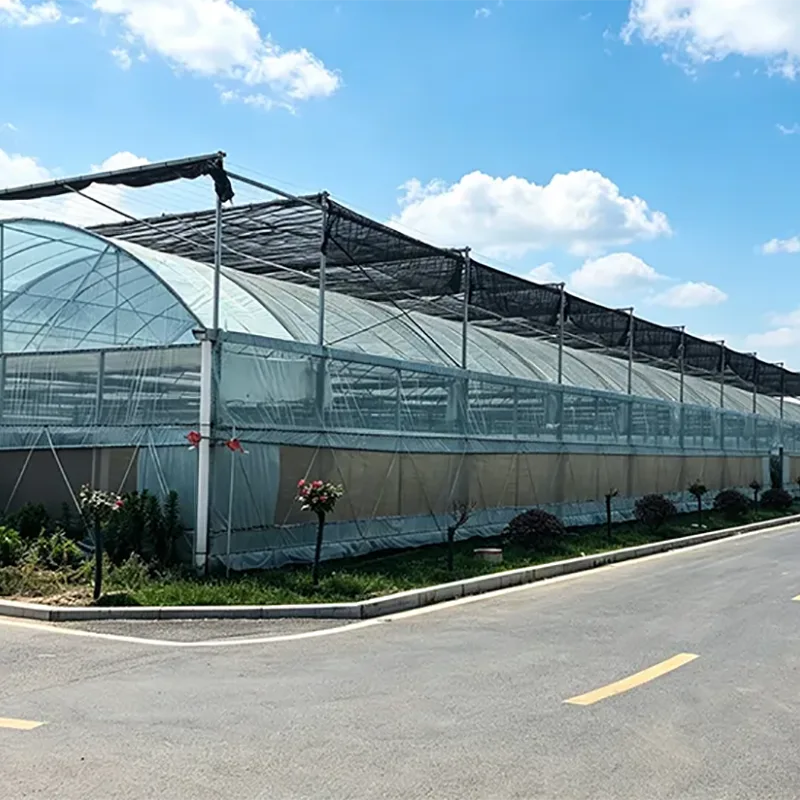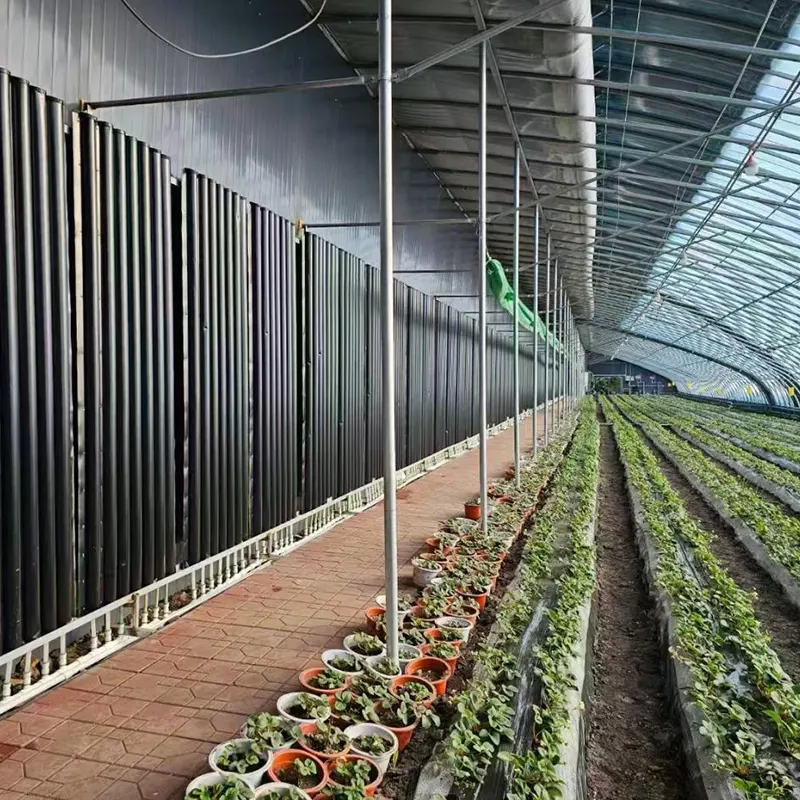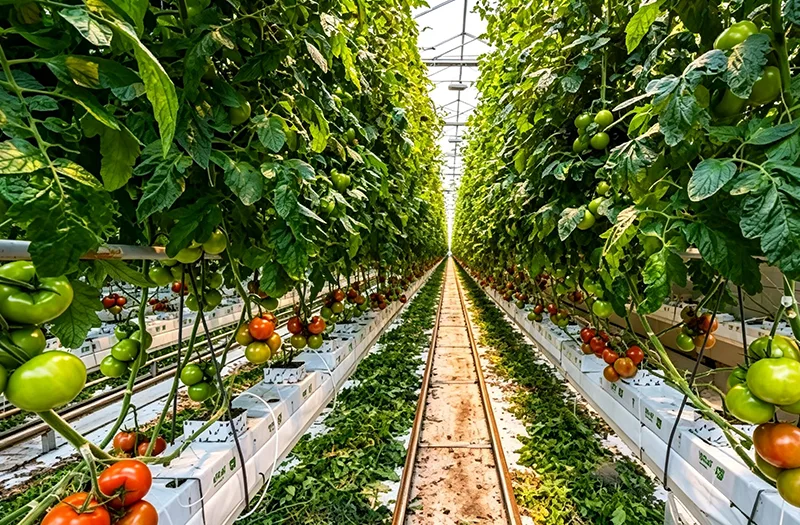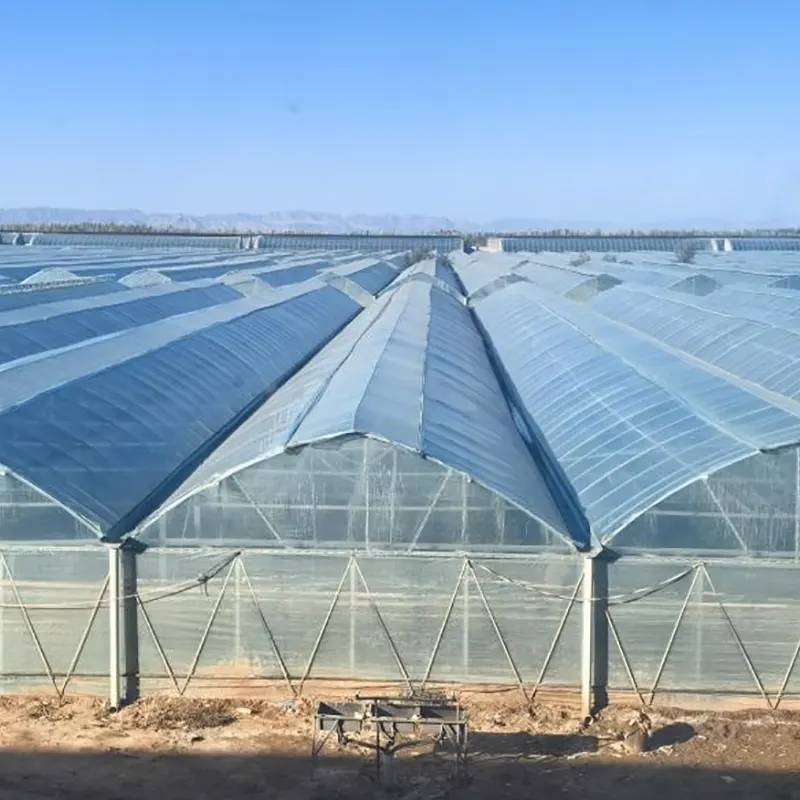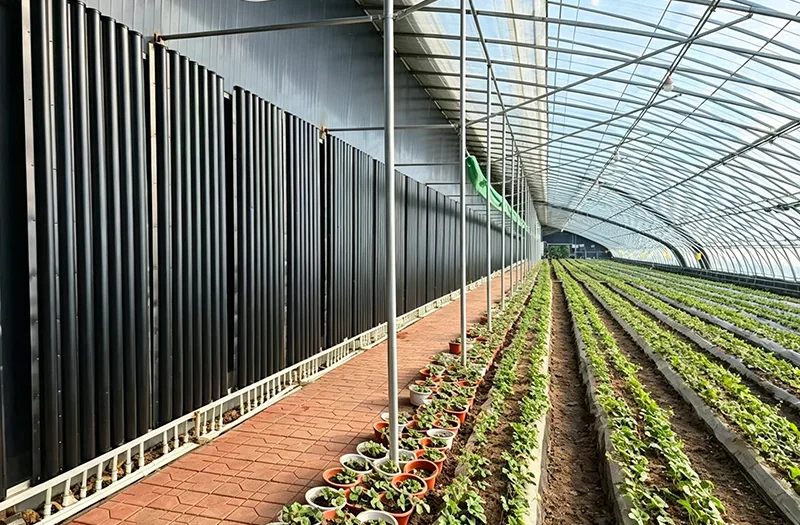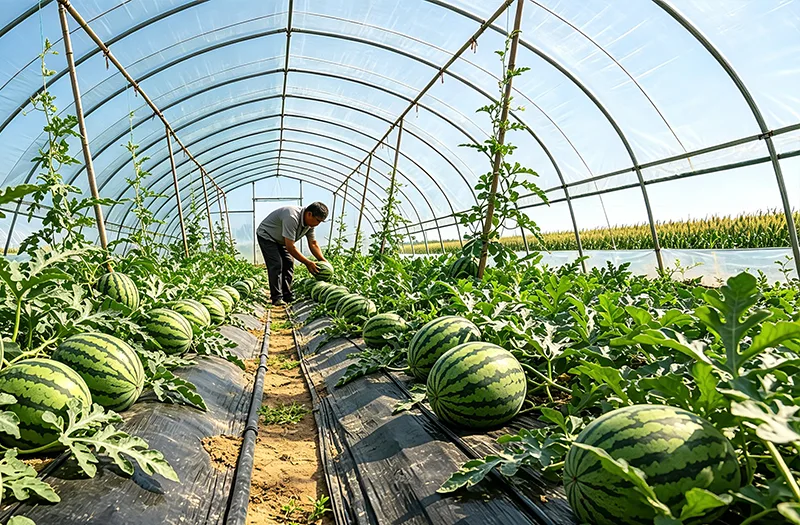
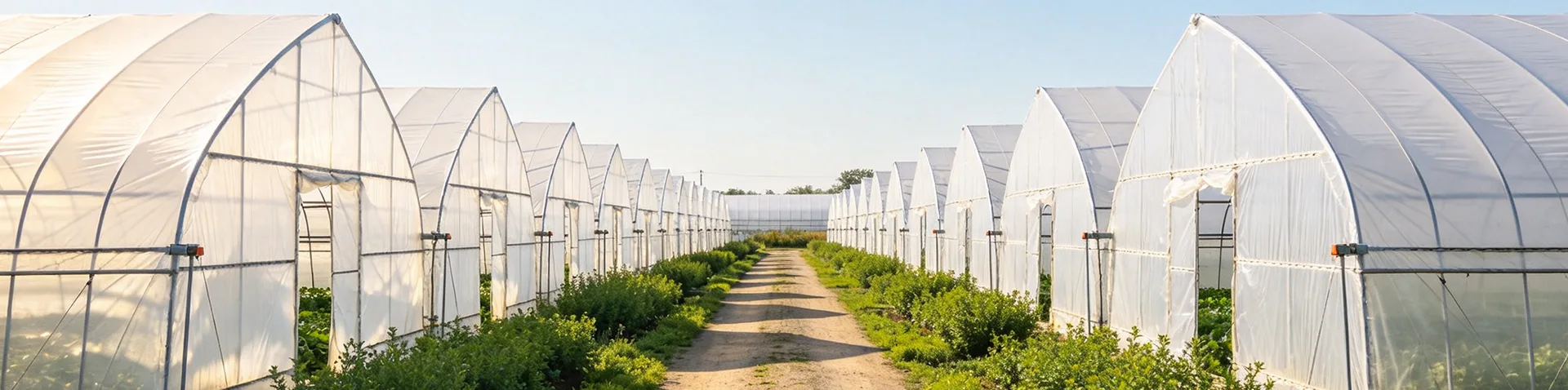
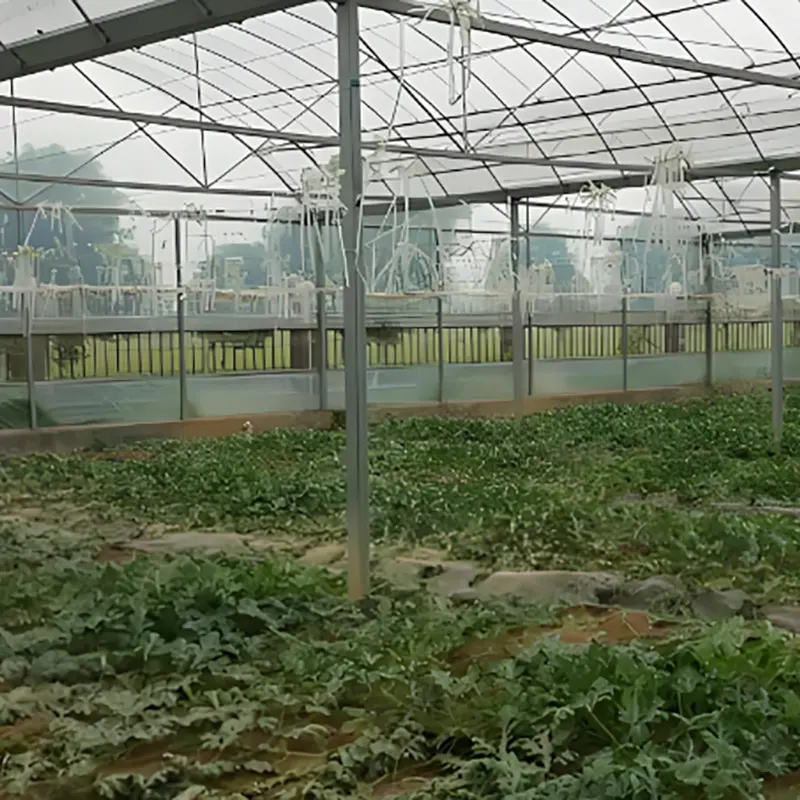
Ruize Steel manufactures and supplies Film Watermelon Greenhouses for commercial watermelon cultivation, early-season seedling production and rain-sheltered field growing. As a China greenhouse manufacturer and factory supplier, Ruize Steel supports bulk procurement and customized orders for domestic and overseas agricultural projects. Two configurations are available: a cultivation greenhouse with a higher arch and wider span, and a lower-profile greenhouse designed for seedling production.
The arch height and spacing can be matched to watermelon vine growth, field operations and local planting practices. With a simple frame structure, greenhouse film covering and convenient assembly, these greenhouses provide an economical option for seasonal melon production and agricultural projects seeking practical crop protection.
The greenhouse dimensions can be selected according to the growth habits of watermelon vines and the space needed for fruit development. The cultivation version provides greater interior height for vine management, pruning and harvesting, while the seedling version uses a lower, more compact structure to help retain heat during early-season propagation.
The cultivation greenhouse offers a higher arch and a wider growing area, leaving room for routine work such as vine training, pruning and fruit harvesting. Its layout can be adjusted according to the planting rows, cultivation method and available field space.
The cultivation version can use long roll-up side curtains to increase air exchange and remove excess heat and humidity. The seedling version can use smaller adjustable side openings to allow more controlled ventilation and help avoid sudden temperature changes around young plants.
The simplified structure helps reduce material and installation requirements compared with more complex greenhouse systems. The frame can be assembled for seasonal cultivation and retained for subsequent growing cycles, subject to inspection and maintenance.
The two models serve different stages of watermelon production. The cultivation greenhouse prioritizes growing space and access for field operations, while the seedling greenhouse emphasizes a compact structure and closer control of the early growing environment.
| Comparison Item | Single-Span Watermelon Cultivation Greenhouse | Single-Span Watermelon Seedling Greenhouse |
|---|---|---|
| Arch Height | 1.8–2.5 m, providing space for vine growth and manual field operations | 1.2–1.6 m, with a lower arch designed to retain heat more readily |
| Single-Span Width | 6–8 m, suitable for multiple watermelon planting rows | 3–4 m, suitable for a compact seedling area and nursery trays |
| Frame Spacing | Standard frame spacing for the requirements of ground-grown watermelon cultivation | Closer arch spacing to provide additional support for covering systems and seedling trays where required |
| Ventilation | Long roll-up side curtains for greater airflow and faster humidity removal | Smaller adjustable side openings for more controlled ventilation during seedling production |
| Film Configuration | Standard UV-resistant PO film, primarily for rain protection and heat retention | High-transmission anti-drip film option to help reduce condensation dripping onto seedlings |
| Main Function | Growing mature watermelon plants, supporting vine development and facilitating harvesting | Seed germination, early seedling growth and nursery production |
| Optional Accessories | Roll-up film systems, drip irrigation and bird netting | Second-layer insulating film, insect netting and temperature-control equipment |
| Relative Steel Consumption per Mu | Moderate, with greater material requirements for the wider span | Relatively low due to the narrower and more compact structure |
| Main Advantages | Open growing space for larger-scale field production, with ventilation options suited to crop management | Compact structure that facilitates heat retention and early-season seedling management |
Note: The dimensions and configurations above are reference specifications. Final frame spacing, load capacity, covering materials and equipment should be confirmed according to the project requirements and local weather conditions.
Ruize Steel offers size customization for watermelon cultivation and seedling projects. The configuration is selected according to the intended use, available field area and local planting practices.
During the growing season, arrange watermelon vines and branches regularly to prevent excessive tangling or pressure against the greenhouse film. Check the covering for damage as the plants develop.
Inspect the surrounding drainage channels and greenhouse perimeter during periods of heavy rainfall. Remove obstructions promptly to reduce the risk of water accumulation or backflow into the growing area.
Check the frame connections, ground anchors, film fasteners and other securing components before forecast strong winds. Add suitable reinforcement where required and follow the structure's installation specifications.
After the growing season, remove crop residues and other debris from the greenhouse. Inspect the frame and accessories, repair damaged components and store reusable parts appropriately if the structure is to be dismantled for seasonal storage.
Choose the lower-profile seedling greenhouse when the primary objective is raising watermelon seedlings in early spring. Its compact interior can help retain heat, while adjustable ventilation and optional additional film layers can support temperature management.
Choose the higher cultivation greenhouse for mature watermelon plants and larger growing areas. Its wider span and greater interior height provide more space for vine development, routine crop management and harvesting.
For rainy climates, prioritize suitable ventilation and drainage arrangements. The covering material, side openings and drainage layout should be selected according to local rainfall, humidity and wind conditions to help protect plants while limiting excessive moisture buildup.
Ruize Steel supplies watermelon greenhouse structures in configurations designed for seedling production and mature crop cultivation. The two options address different requirements for arch height, span width, ventilation and seasonal use, making it easier to select a structure according to the growing stage and available land.
Customized dimensions, covering materials and optional accessories can be discussed according to the project requirements. For overseas agricultural projects, production specifications, shipment arrangements and installation guidance can be coordinated before ordering.
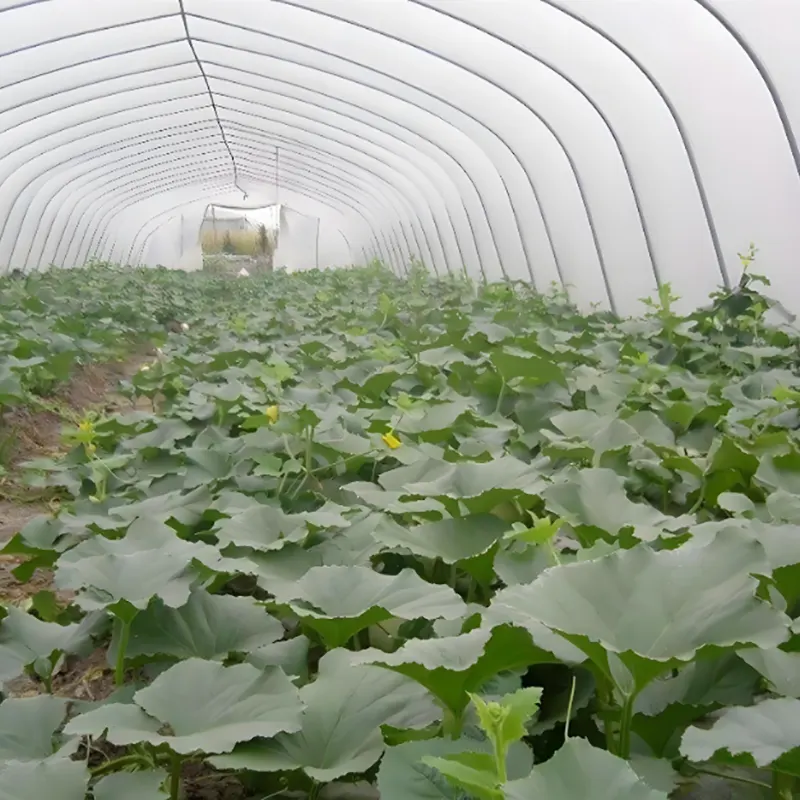
Not recommended. Its low arch and narrow span limit vine growth and ventilation. Use the cultivation greenhouse for mature plants.
A single-layer film greenhouse may tolerate brief outdoor temperatures of -2 to -3°C, but this is not guaranteed. Additional insulation or heating may be needed in colder conditions.
Not always. Ground anchors or buried posts may be sufficient, while exposed or high-wind sites may require additional reinforcement or concrete foundations.
Yes. Both models can use manual or electric roll-up systems, with ventilation openings configured according to their intended use.
Normally, not if the galvanized coating remains intact. Inspect the frame regularly and repair damaged areas, especially in coastal or corrosive environments.
Yes. Small orders and bulk procurement are available, subject to configuration and production requirements.
The cultivation model is suitable for consideration in hot, rainy regions because of its wider span and larger ventilation openings. Seedling greenhouses can protect young plants from rain.
Yes. The frame can be reused with proper maintenance, and the film can be replaced when necessary. Crop rotation depends on local climate and planting schedules.
Yes, if the frame dimensions match the existing planting rows. Installation should be carefully planned to minimize damage to vines and roots.
Yes. The cultivation model can accommodate muskmelons and Hami melons, while the seedling model can raise seedlings of various melon and vegetable crops.
Copyright © 2026 Tianjin Ruize Steel Co., Ltd. All Rights Reserved.