

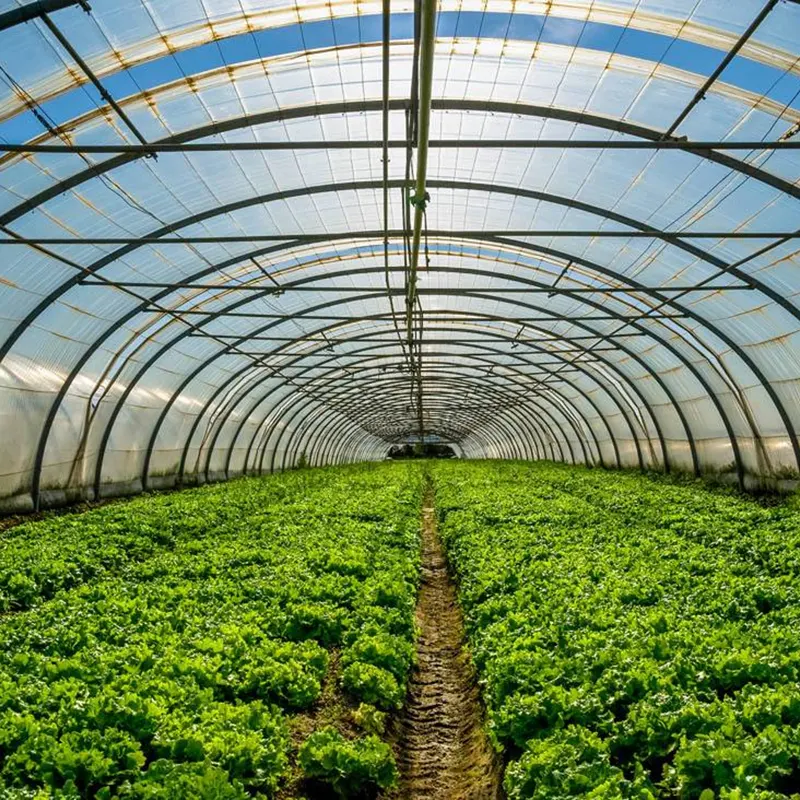
Solar Greenhouses use sunlight as an important source of natural heat while combining structural insulation and, where required, thermal storage to support protected cultivation in cooler seasons. Their performance depends on the orientation of the growing area, the choice of covering materials, the design of insulated walls, ventilation, and the local climate. Single-film, double-film, multi-span, and heat-storage configurations serve different agricultural requirements. Understanding these differences makes it easier to select a structure for winter vegetables, seedlings, flowers, medicinal plants, and larger commercial growing projects.
Explore the Guide
INTERACTIVE CONTENT MAPSelect any topic below to jump directly to the relevant design consideration.
- How Solar Heating Works
- Orientation and Sunlight Collection
- Insulation and Heat Storage
- Four Main Structural Configurations
- Matching Structures to Climate
- Crop Requirements and Internal Layout
- Ventilation and Humidity Control
- Steel Frames, Wind, and Snow Loads
- Project Planning and Customization
- Installation and Daily Maintenance
- Frequently Asked Questions
Why Does Greenhouse Orientation Matter for Solar Heat Collection?
Orientation determines how sunlight reaches the greenhouse during different seasons. The best arrangement depends on geographic latitude, the direction of prevailing weather, nearby buildings, trees, terrain, and the shape of the structure.
South-Facing Exposure in the Northern Hemisphere
For many passive solar greenhouse designs in the Northern Hemisphere, a south-facing light-receiving surface is commonly used to capture useful winter sunlight. The exact alignment should be evaluated against the site's sun path rather than selected only from a general rule. Mountains, neighboring structures, and mature trees may create shadows that change the effectiveness of an otherwise suitable orientation.
In the Southern Hemisphere, the solar-facing direction is generally reversed. Project designers should consider the seasonal sun path in the actual location before finalizing the orientation.
Sunlight Access Through the Year
Winter sunlight often arrives at a lower angle than summer sunlight. Roof slope, wall height, glazing position, and the distance between structures influence how much light reaches the cultivation area. A configuration designed only around summer sunlight may not provide the same exposure during the colder months.
It is useful to review the expected shadow pattern at different times of the day and across the main growing seasons. This helps determine whether the greenhouse needs a revised alignment, a different roof profile, or a layout that separates individual growing zones.
Preventing Unnecessary Shading
- Review the position and height of surrounding trees, buildings, and other structures.
- Consider seasonal changes in solar elevation when deciding the greenhouse orientation.
- Leave suitable access areas without creating avoidable shadows over the growing surface.
- Evaluate the relationship between adjacent greenhouse units before planning a connected layout.
- Consider prevailing wind direction and local weather exposure alongside solar access.
Design consideration: The orientation that captures the most direct sunlight is not automatically the best solution for every agricultural site. Drainage, wind exposure, operational access, and the required internal layout should also be considered.
How Do Insulation and Thermal Storage Improve Winter Growing Conditions?
Heat retention is especially important when outdoor temperatures fall sharply after sunset. A greenhouse that absorbs sunlight during the day may still experience rapid cooling if its walls, covering, and openings allow heat to escape. Insulation and thermal storage address different parts of this challenge.
Insulated Walls and Enclosure Materials
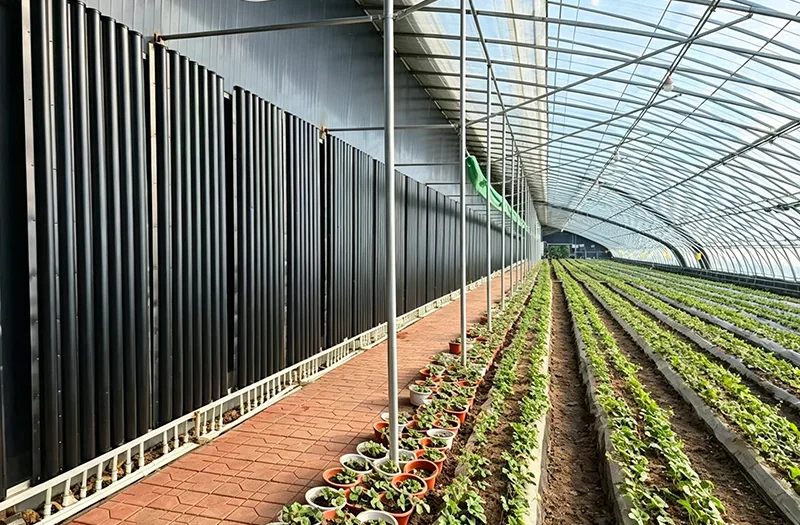
Insulated rear walls and other sections with limited direct solar exposure can reduce heat transfer to the outdoor environment. The design may use insulated panels, suitable wall assemblies, or other enclosure systems selected according to the structural arrangement and regional weather.
The thickness, continuity, moisture resistance, and installation quality of insulation all matter. Small gaps between panels or poorly fitted connections can weaken the performance of an otherwise well-insulated enclosure. Designers should also consider how wall components connect with the roof, base, and door openings.
Single-Layer and Double-Layer Coverings
Greenhouse covering materials influence both light transmission and heat transfer. Single-layer film structures offer a relatively simple enclosure arrangement. Double-layer film systems create an additional insulating space, which can improve heat retention when the materials and installation are properly selected.
Covering selection should also account for light transmission, weather resistance, expected service conditions, replacement access, and compatibility with the supporting frame. A covering that performs well in one region may not be the most suitable option in another because sunlight intensity, wind, snow, and seasonal temperatures differ.
Heat-Storage Walls and Thermal Mass
Thermal storage uses materials that can absorb heat and release it later. Water, soil, rock, concrete, and purpose-designed storage walls may all play a role depending on the greenhouse design. Their effectiveness depends on exposure to solar energy, storage capacity, position, insulation, and the rate at which heat is released.
A heat-storage wall is not simply a thick wall. Its location and relationship with the light-receiving surface are important. If the storage element receives too little solar energy, it may not accumulate enough heat to moderate nighttime conditions. If it is poorly insulated on the wrong side, stored energy may be lost in an unintended direction.
Managing Daytime and Nighttime Temperature Differences
Internal temperatures can rise quickly during sunny periods, especially when outdoor conditions are cold but solar radiation is strong. At night, the structure may cool as the collected heat dissipates. Thermal storage can reduce the speed of these changes, but it does not eliminate the need for temperature monitoring or suitable ventilation.
Growers should identify the acceptable temperature range for each crop and decide whether supplemental heating is required during extended cloudy periods, unusually cold weather, or critical growth stages.
What Are the Four Main Structural Configurations?
Different growing projects need different combinations of insulation, structural layout, and heat management. A small vegetable-growing site in a temperate region has different requirements from a large agricultural base operating through prolonged winter conditions.
Four common configurations provide distinct starting points for planning. Their suitability should be assessed against the local minimum temperature, crop sensitivity, project dimensions, and expected operating schedule.
| Greenhouse Configuration | Main Structural Arrangement | Indicative Cold-Resistance Range | Typical Growing Applications |
|---|---|---|---|
| Single-Layer Structure | Solar heat-storage arrangement with a single-layer insulated wall structure. | Around -10°C | Autumn and winter vegetables, early spring seedlings, and small to medium-sized growing sites. |
| Double-Film Structure | Double-layer hollow insulated frame with inner and outer film layers. | Around -20°C | Cold northern regions, high-altitude sites, winter vegetables, flower protection, and medicinal plants. |
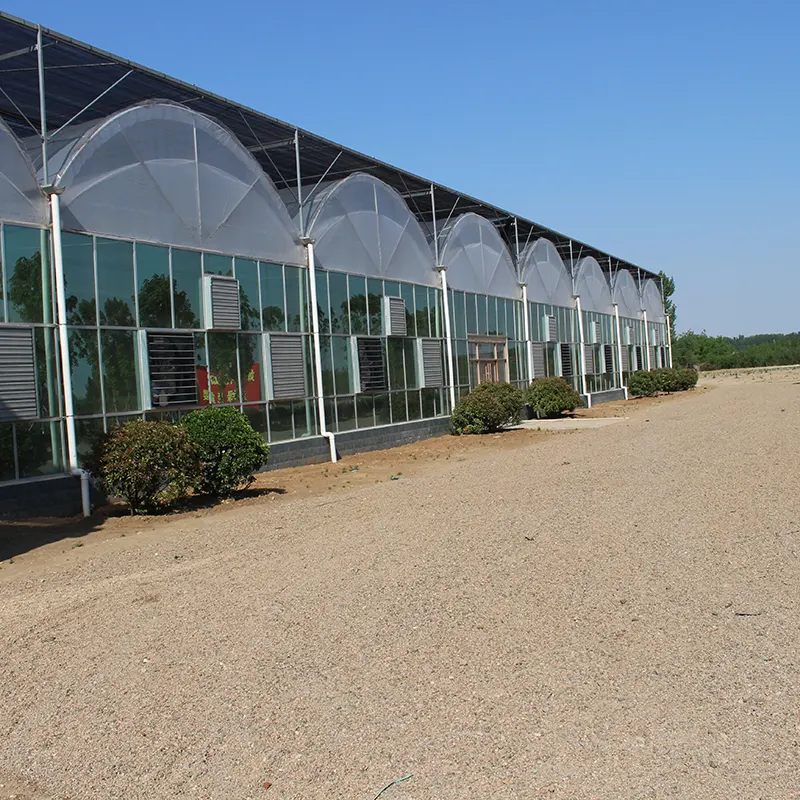
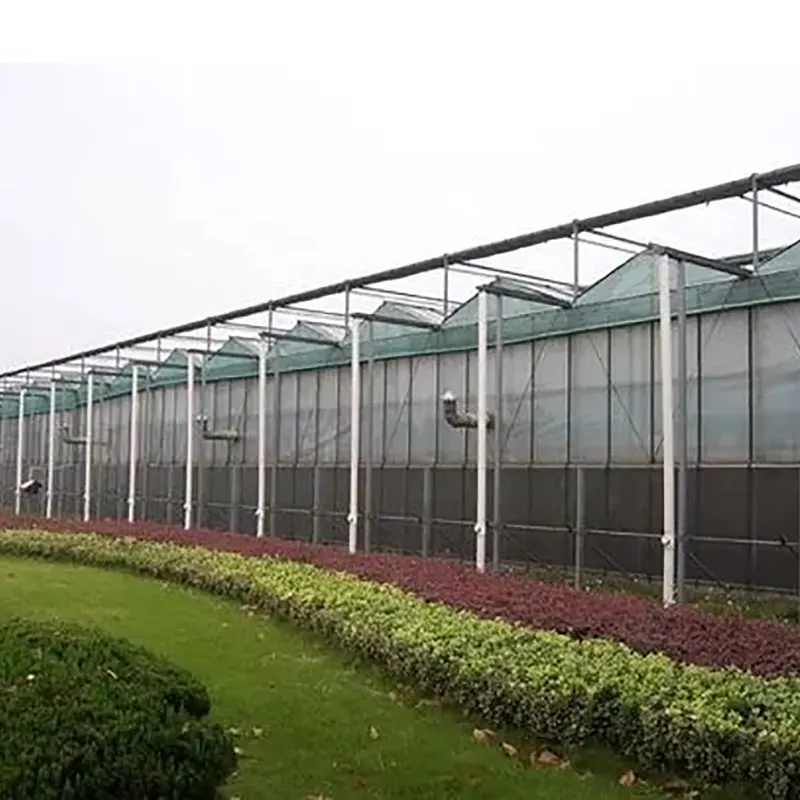
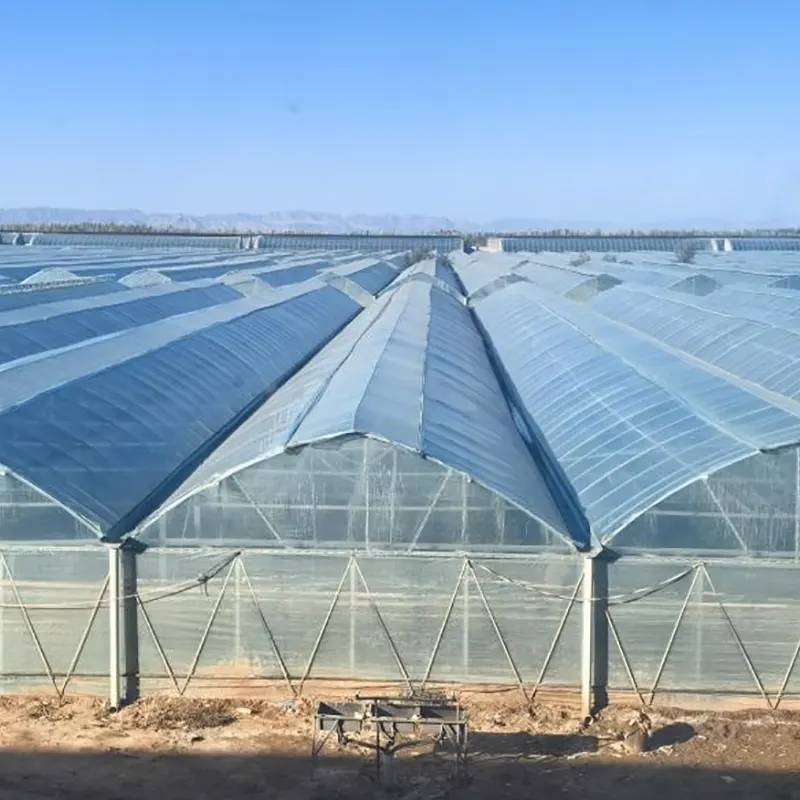
| Multi-Span Structure | Connected and sealed multi-span steel framework. | Around -15°C | Large agricultural bases, nursery centers, flower-growing facilities, and agricultural parks. |
| Heat-Storage Structure | Dedicated heat-storage wall, thermal storage system, and reinforced steel framework. | Around -30°C | Extremely cold regions, high-altitude growing sites, extended winter cultivation, and sensitive crops. |
Temperature figures are indicative configuration references, not universal operating guarantees. Actual performance depends on site climate, sunlight, wind, insulation details, ventilation, supplemental heating, and project engineering.
Single-Layer Film Configuration
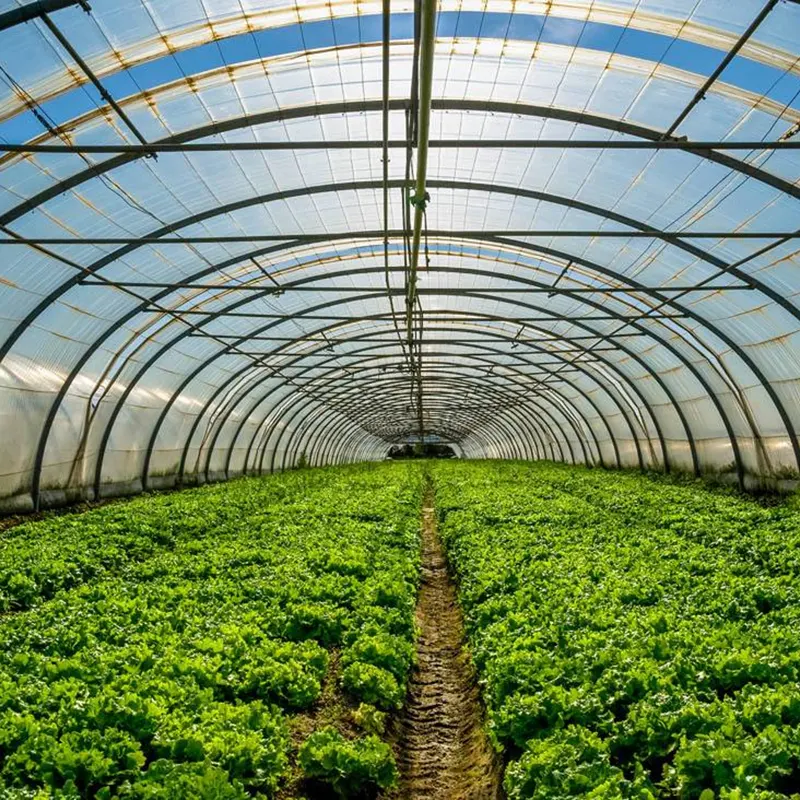
A single-layer structure is a practical option for projects that need a straightforward enclosure and basic winter heat retention. Its relatively simple arrangement can suit growers with moderate cold-weather requirements, particularly where winter temperatures do not remain extremely low for extended periods.
The planning priority is to achieve a suitable balance between solar exposure, insulated wall construction, and nighttime heat retention. The supporting frame, covering material, and rear-wall design should be matched to local wind and snow conditions.
Double-Layer Film Configuration
A double-film arrangement adds an insulated space between two layers of covering. This provides an additional barrier against heat loss compared with a basic single-layer configuration when the air space is maintained and the covering is fitted correctly.
This structure is worth considering for northern regions, elevated sites, and winter cultivation projects with more demanding temperature requirements. Designers should check film tension, fixing details, air-space stability, and the condition of the supporting frame.
Multi-Span Configuration
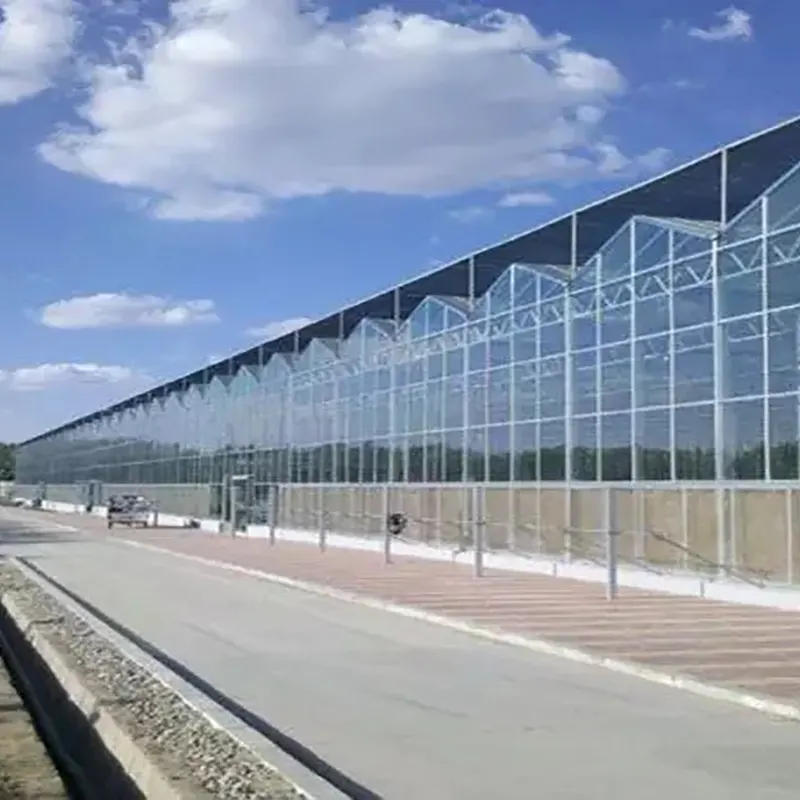
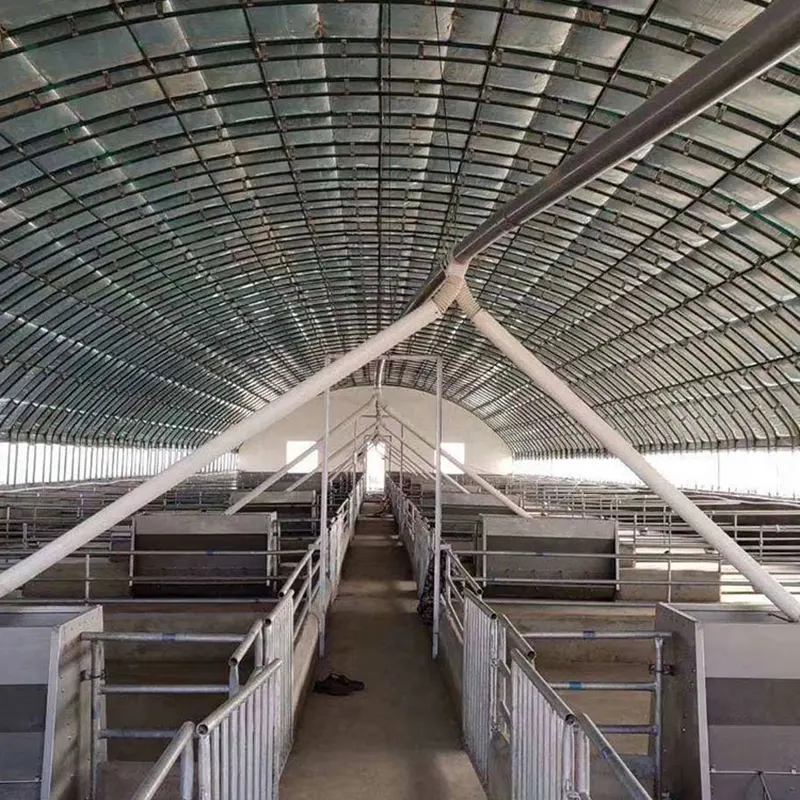
A connected multi-span layout creates a larger continuous growing area. It can support organized cultivation zones, centralized management, internal transport routes, and the installation of agricultural equipment. This arrangement is relevant to commercial production bases, nursery facilities, and projects involving multiple crop areas.
Multi-span structures need careful planning of bay width, ridge height, ventilation, drainage, internal walkways, and equipment access. Connected roof sections can also affect light distribution and structural load paths. The layout should therefore be designed as an integrated system rather than as several independent small units placed side by side.
Heat-Storage Configuration
A dedicated thermal storage arrangement is intended for sites with demanding winter conditions. A heat-storage wall and associated storage elements help collect and release thermal energy, while a reinforced frame supports the overall enclosure.
This configuration is particularly relevant where prolonged low temperatures, snowfall, or short frost-free periods affect the growing schedule. It is important to assess how much solar radiation the structure receives, how the storage system is arranged, and whether auxiliary heating is needed during extended periods of low sunlight.
How Should Greenhouse Design Be Matched to Local Climate?
Climate assessment should be one of the first steps in greenhouse planning. Average annual temperature alone does not describe the conditions that the structure needs to handle. Winter minimum temperatures, the duration of cold periods, wind exposure, snowfall, cloud cover, rainfall, and seasonal humidity can all influence the final design.
Cold Northern Regions
Sites with long winters and frequent frost require particular attention to insulation continuity and structural strength. Double-layer coverings or heat-storage configurations may be appropriate, depending on the lowest expected temperature and the intended crops.
Snow accumulation must be considered in roof geometry and frame engineering. Insulated walls, secure openings, suitable film-fixing details, and practical snow-removal access should be included in the design discussion.
High-Altitude Growing Areas
High-altitude locations may experience strong solar radiation during the day, rapid nighttime cooling, larger daily temperature swings, and locally demanding wind conditions. A structure designed for a lowland site may not provide the same environmental stability at elevation.
The project plan should consider the combined effect of solar exposure, wind pressure, nighttime heat loss, and crop sensitivity. Double-layer insulation or a dedicated heat-storage arrangement may be considered where the growing schedule requires stronger cold-weather protection.
Temperate Regions with Seasonal Frost
In regions with mild winters and occasional frost, a simpler single-layer arrangement may be sufficient for selected vegetables and seasonal production. The key is to determine whether the structure needs to protect crops through isolated cold nights or maintain a controlled environment during a longer winter growing period.
Ventilation capacity is also important in temperate regions because sunny winter days can create high internal temperatures even when outdoor air remains cool. A suitable enclosure should allow growers to manage both heat retention and daytime temperature release.
Areas with Heavy Snowfall or Strong Winds
Snow and wind place different demands on the greenhouse structure. Roof slope, frame spacing, connection design, foundation conditions, and reinforcement all influence structural performance. Wind can also increase heat loss when air enters through poorly sealed joints or openings.
Local design loads should be established before the steel frame is finalized. A standard drawing should not be assumed suitable for every site, particularly in regions exposed to severe winter weather.
How Do Crop Requirements Affect the Internal Greenhouse Layout?
Structural selection should begin with the intended growing plan. Vegetables, flowers, nursery seedlings, fruits, and medicinal plants may require different light levels, temperature ranges, humidity conditions, growing heights, and management practices. These differences influence the greenhouse dimensions as well as its insulation and ventilation arrangements.
Winter Vegetables
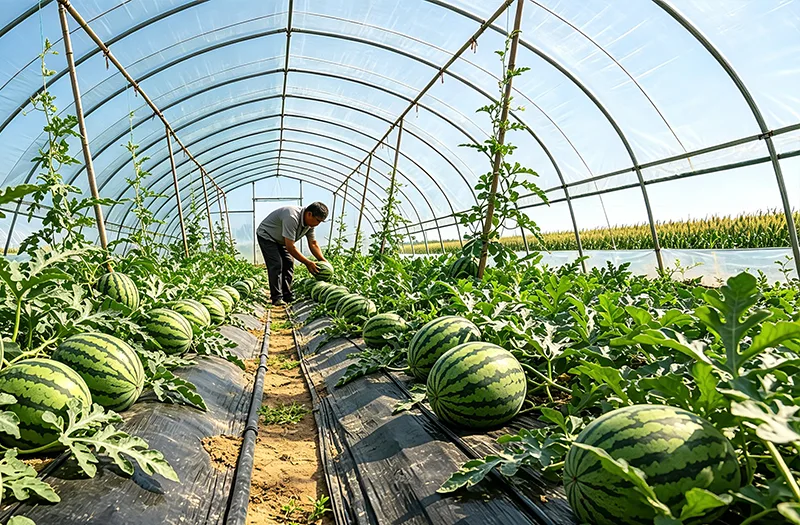
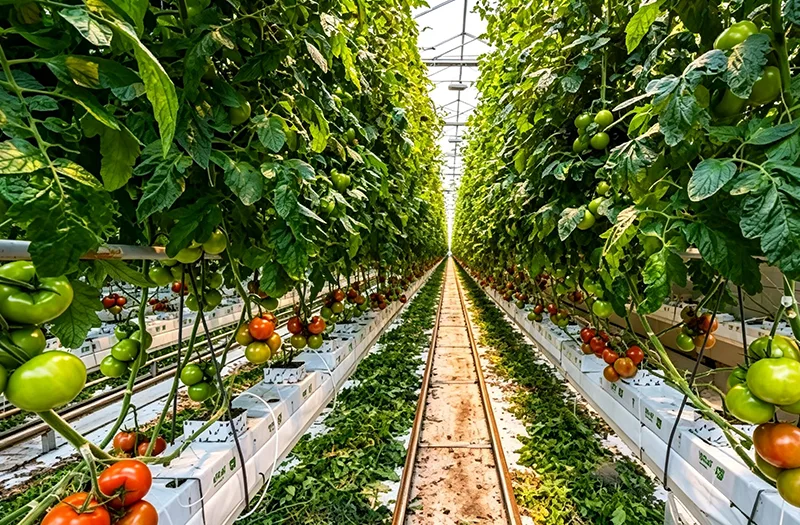
Leafy vegetables and selected fruiting crops require suitable temperature control, light availability, irrigation access, and ventilation. The layout should allow convenient movement between growing beds and enough space for routine crop management.
Seedling Production
Nursery areas may require more consistent environmental conditions, organized propagation benches, and access for irrigation and transplant handling. Separate zones can help accommodate different stages of plant development.
Flower Cultivation
Flower production can involve specific requirements for temperature, humidity, light distribution, and plant spacing. Ventilation and internal circulation need to be designed around the selected varieties.
Medicinal Plant Growing
Medicinal crops may have particular requirements for light exposure, moisture, temperature, and growing-cycle management. The greenhouse should accommodate these conditions without unnecessary environmental fluctuations.
Plan Growing Zones Before Finalizing Dimensions
A greenhouse should provide enough usable space for cultivation and daily operations. Bed width, aisle clearance, equipment movement, irrigation pipes, storage positions, and access doors all affect the effective growing area. A large external footprint does not automatically provide an efficient internal layout.
For larger agricultural projects, separate zones can be planned for propagation, crop development, irrigation equipment, packing preparation, or temporary storage. The design should also account for the movement of staff and materials without repeatedly crossing sensitive cultivation areas.
Consider Future Operating Requirements
Crop varieties and production schedules may change over time. A structure with an appropriate frame layout, accessible service routes, and adaptable equipment positions can be easier to manage as cultivation practices develop.
This does not mean every greenhouse needs extensive automation. It means that irrigation, ventilation, heating, monitoring equipment, and electrical access should be considered before the structure is built, even when some systems will be installed at a later stage.
What Should Be Considered When Designing the Steel Frame?
The steel frame supports the greenhouse covering, insulation system, doors, ventilation equipment, and other installed components. Its design must account for the dimensions of the structure and the loads expected at the project location.
Material Protection and Structural Connections
Hot-dip galvanized steel is commonly used in agricultural greenhouse structures because its zinc coating provides corrosion protection. The required material dimensions, coating condition, connection details, and maintenance arrangements should be considered together.
Structural joints deserve particular attention. Poorly fitted connections or inappropriate fastening details can affect frame stability and make later maintenance more difficult. Prefabricated components should be matched to the installation drawings, component list, and assembly sequence.
Wind and Snow Load Assessment
Wind pressure and snow accumulation vary by region and site. The frame, roof geometry, spacing between supports, connections, and foundation system should be designed for the applicable local conditions.
Snow loads are affected by factors such as roof shape, local precipitation, exposure, and drifting. Even when a roof profile helps shed snow, the structural design should not rely on roof geometry alone as proof of adequate load capacity.
Dimensions and Structural Flexibility
Greenhouse span, ridge height, sidewall height, roof form, wall thickness, and support spacing influence the usable growing area and overall structural arrangement. These dimensions should be selected according to crop height, internal equipment, ventilation requirements, and the available site footprint.
For multi-span projects, the relationship between adjacent bays, drainage channels, service access, and load distribution becomes especially important. Early coordination of these details helps create a more practical structure for large-scale cultivation.
How Can You Plan a Customized Greenhouse Project?
A project-specific design should start with measurable information rather than a standard structure selected without reviewing the site. The planning process can be organized into several stages, allowing agricultural requirements and engineering constraints to be evaluated together.
Define the Growing Objective
Identify the crops, planting seasons, cultivation methods, production scale, and environmental requirements. Decide whether the greenhouse will primarily support winter vegetables, nursery production, flowers, medicinal plants, or several growing activities.
Evaluate the Project Location
Provide the site location, available land dimensions, local minimum temperatures, snowfall, wind exposure, rainfall, and surrounding obstacles. These conditions help determine the structural and insulation requirements.
Select the Structural Configuration
Compare single-layer, double-film, multi-span, and heat-storage arrangements. Evaluate their insulation methods, available interior space, expected climate conditions, and compatibility with the growing plan.
Confirm Dimensions and Equipment
Establish span, height, roof profile, ventilation openings, insulation thickness, irrigation layout, and possible heating or monitoring systems. Make sure the equipment arrangement is compatible with the structural design.
Review Structural and Installation Details
Check frame materials, connection details, foundations, wind and snow load requirements, covering installation, drainage, and access routes. Confirm the drawings and component arrangement before construction.
Prepare the Operating Plan
Plan how the greenhouse will be ventilated, irrigated, monitored, cleaned, and maintained throughout the growing cycle. Include access for inspecting the covering, insulation, fasteners, and moving components.
Project Information to Prepare
The following details make the design discussion more specific and help align the greenhouse structure with its intended application.
- Project country, region, and installation site conditions.
- Available land length, width, and any restrictions on the building footprint.
- Main crops, planting seasons, and expected cultivation area.
- Local winter minimum temperature and the duration of cold periods.
- Typical wind conditions, snowfall, and other relevant environmental loads.
- Required insulation level and whether thermal storage is part of the design.
- Preferred greenhouse configuration and internal growing layout.
- Required ventilation, irrigation, heating, and monitoring equipment.
Customization is particularly important when the site has unusual dimensions or the growing plan requires specific interior arrangements. Span, height, roof form, wall thickness, insulation configuration, and heat-storage details can be evaluated as connected design parameters rather than isolated options.
What Installation and Maintenance Practices Help Preserve Performance?
Greenhouse performance depends on more than the original design. Installation accuracy and regular inspection help maintain the intended structural arrangement, insulation continuity, light transmission, and operational reliability.
Before Installation
- Confirm that the foundation and prepared site match the approved drawings.
- Check the component list and identify structural members before assembly.
- Review the installation sequence for the steel frame and enclosure materials.
- Confirm that doors, vents, insulation blankets, and moving equipment have suitable clearance.
- Check drainage arrangements and access for future inspection and maintenance.
During Assembly
Structural components should be installed according to the designated connection positions and assembly sequence. Fasteners need appropriate tightening, while film and insulation systems should be fitted without unnecessary gaps, wrinkles, or uneven tension.
Insulation blankets and roll-up equipment should move smoothly across their operating range. Incorrect installation can lead to uneven coverage, operating resistance, or unwanted openings that reduce heat retention.
Routine Maintenance After Construction
| Inspection Area | What to Check | Recommended Timing | Purpose |
|---|---|---|---|
| Greenhouse Covering | Dust, snow, film damage, and light transmission. | Regularly, especially during winter. | Maintain sunlight access and identify covering damage. |
| Frame Connections | Loose bolts, damaged joints, and visible deformation. | Monthly and after severe weather. | Identify structural issues before they become more serious. |
| Insulation System | Gaps, aging materials, damaged sealing strips, and uneven coverage. | At seasonal changes. | Maintain enclosure continuity and reduce avoidable heat loss. |
| Ventilation Equipment | Fan operation, vent movement, controls, and obstructions. | Regular operating inspections. | Support appropriate temperature and humidity management. |
| Drainage and Access | Blocked channels, water accumulation, and restricted access routes. | Before and during wet seasons. | Support site drainage and safe routine operations. |
Maintenance intervals should reflect local weather, the covering material, equipment usage, and the manufacturer's installation guidance. After strong winds or heavy snowfall, the structure should be inspected before normal operation continues.
Frequently Asked Questions
These answers address common questions about greenhouse structure, cold-weather applications, customization, and project preparation.
1. What is the main difference between a solar greenhouse and a conventional cold greenhouse?
A conventional cold greenhouse mainly provides protection from wind and rain. A solar-oriented structure places greater emphasis on collecting sunlight, retaining heat, and limiting temperature loss through insulation and, where required, thermal storage. This makes it more suitable for selected winter and off-season cultivation applications.
2. How low can the outdoor temperature be for this type of greenhouse?
The applicable temperature range depends on the structural configuration and actual project conditions. Indicative references for different Ruize configurations include around -10°C for a single-layer structure, around -20°C for a double-film structure, around -15°C for a multi-span structure, and around -30°C for a heat-storage structure. These figures should not be treated as guaranteed indoor temperatures. Site climate, solar radiation, wind, insulation, ventilation, and supplemental heating all influence actual operating conditions.
3. Is a double-film greenhouse better than a single-layer greenhouse?
A double-film arrangement generally provides an additional insulating layer compared with a basic single-layer design. It may be more appropriate for colder locations and projects with stronger winter protection requirements. However, a single-layer structure can be suitable for moderate climates and seasonal cultivation. The final selection should be based on local weather, crop requirements, and the intended growing schedule.
4. Can the greenhouse dimensions and structural details be customized?
Yes. Project parameters can include span, height, roof form, wall thickness, frame arrangement, insulation configuration, and thermal storage details. The layout should be developed around the available site, crop type, local climate, and required interior equipment.
5. Which configuration is suitable for large agricultural projects?
A multi-span configuration is often considered for large agricultural bases because connected bays create an organized growing area and can support centralized management. The layout still needs to be evaluated against site dimensions, crop requirements, ventilation, drainage, structural loads, and equipment access.
6. Can vegetables, flowers, seedlings, and medicinal plants share the same structure?
Different crop groups can be cultivated within a shared facility when their environmental requirements are compatible. However, some plants need different temperature, humidity, light, or ventilation conditions. Separate growing zones, internal partitions, and suitable environmental controls may be necessary to manage these differences.
7. How should the greenhouse structure be designed for heavy snow and strong winds?
The design should be based on local wind and snow loads. Frame dimensions, connection details, support spacing, roof profile, foundation conditions, and reinforcement need to be assessed together. Snow-removal access and routine structural inspections should also be included in the operating plan.
8. Can installation guidance be provided for overseas greenhouse projects?
Overseas projects can be supported with English installation drawings, installation videos, component lists, and remote video guidance. The specific support arrangement should be confirmed during project planning so that the installation team has the information required for component identification and assembly.
9. What information is needed to request a customized greenhouse design?
Prepare the project location, available land dimensions, intended crops, growing seasons, local winter temperatures, wind and snow conditions, preferred structural configuration, and required equipment. These details help determine the suitable frame arrangement, covering materials, insulation level, ventilation system, and overall greenhouse layout.
10. Does a heat-storage structure eliminate the need for supplemental heating?
Not necessarily. Thermal storage can absorb available solar heat and release it later, helping moderate temperature changes. During extended cloudy periods, severe cold spells, or periods of high crop heat demand, additional heating may still be required. The need depends on the location, structure, crop, and target growing temperature.
Choosing the Right Structure for Long-Term Cultivation
Successful winter greenhouse planning depends on matching the enclosure, frame, and internal environment to the crops and the local climate. Solar exposure, insulation, thermal storage, ventilation, and structural load resistance should be considered as parts of one integrated design.
A single-layer structure may suit moderate winter conditions, while a double-film arrangement can provide an additional insulating barrier. Multi-span layouts support larger connected growing areas, and dedicated heat-storage structures are worth evaluating for locations with more demanding cold-weather requirements.
The right Solar Greenhouses solution is therefore not determined by one specification alone. It should reflect the intended crops, site dimensions, seasonal weather, internal equipment, and expected operating conditions. Careful planning at the design stage helps create a more practical growing facility and makes installation and routine management easier to organize.
Planning a winter cultivation facility, nursery center, or large agricultural growing project? Share your site conditions, crop requirements, and preferred greenhouse dimensions to discuss a structure developed around your application.
Ruize — Request a Customized Greenhouse Design
 Ruize