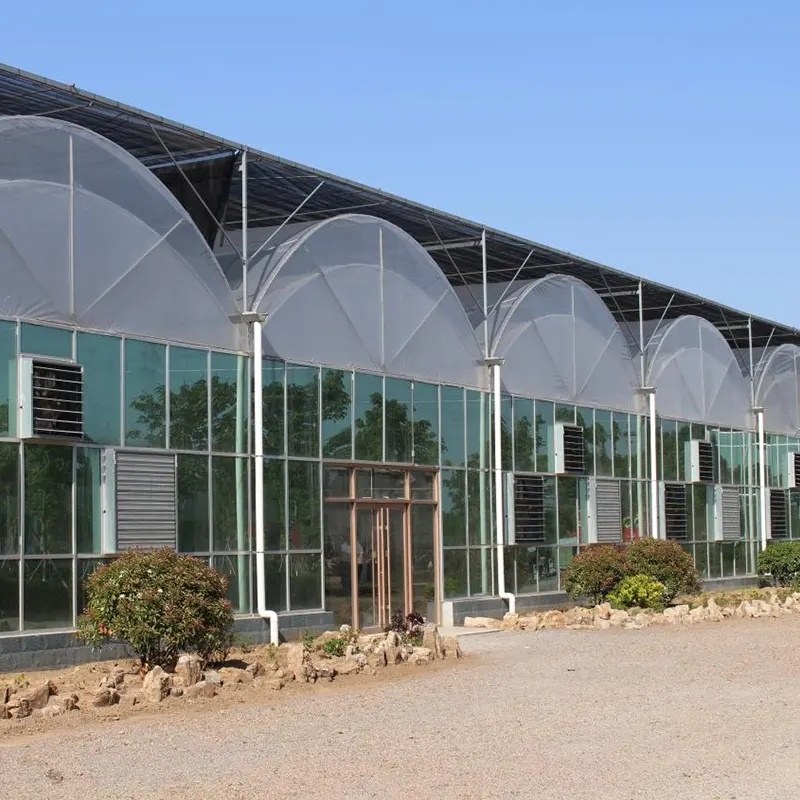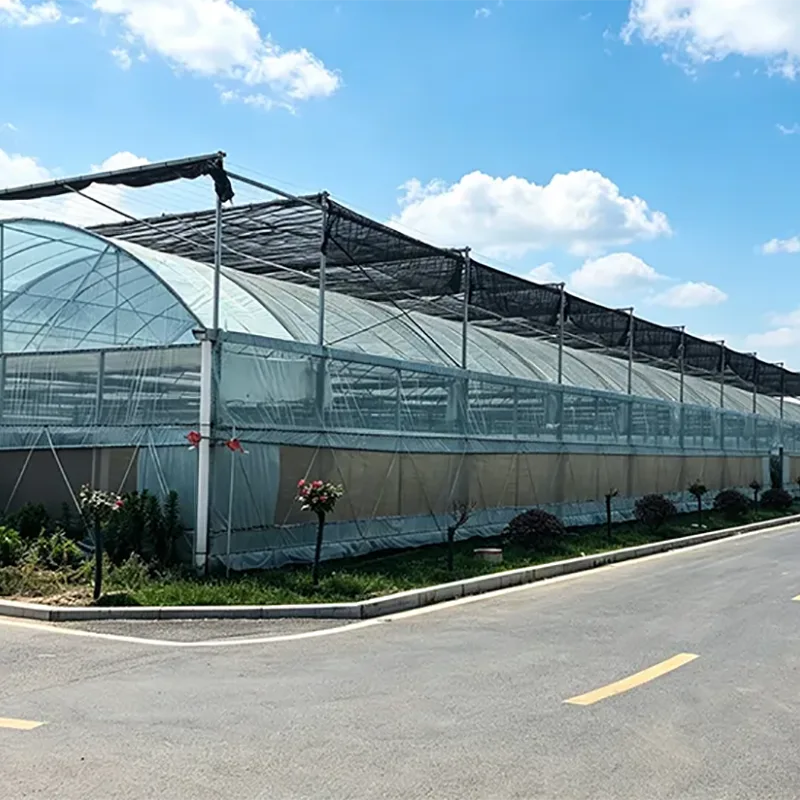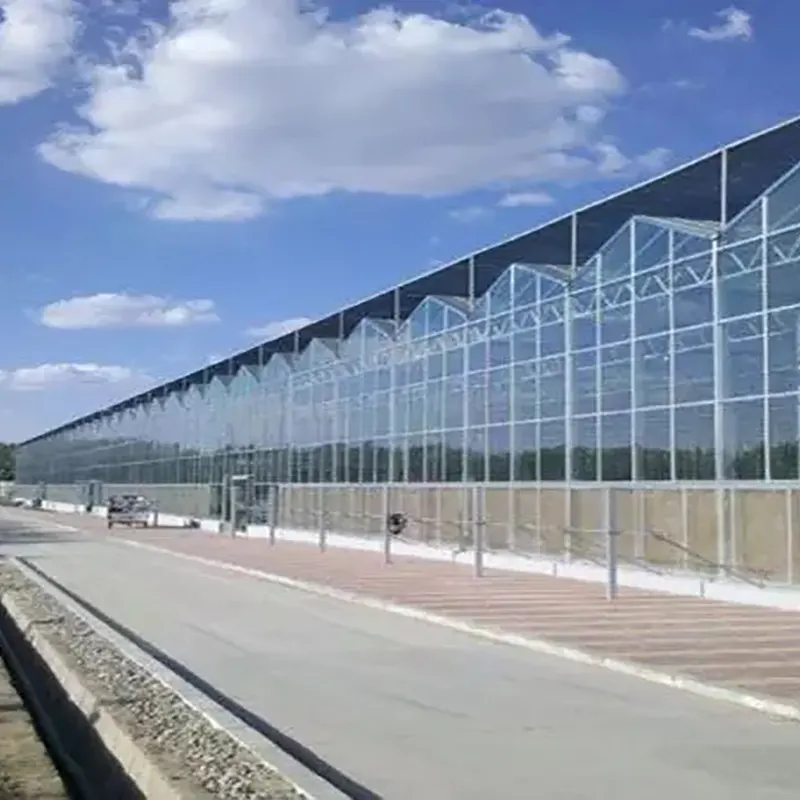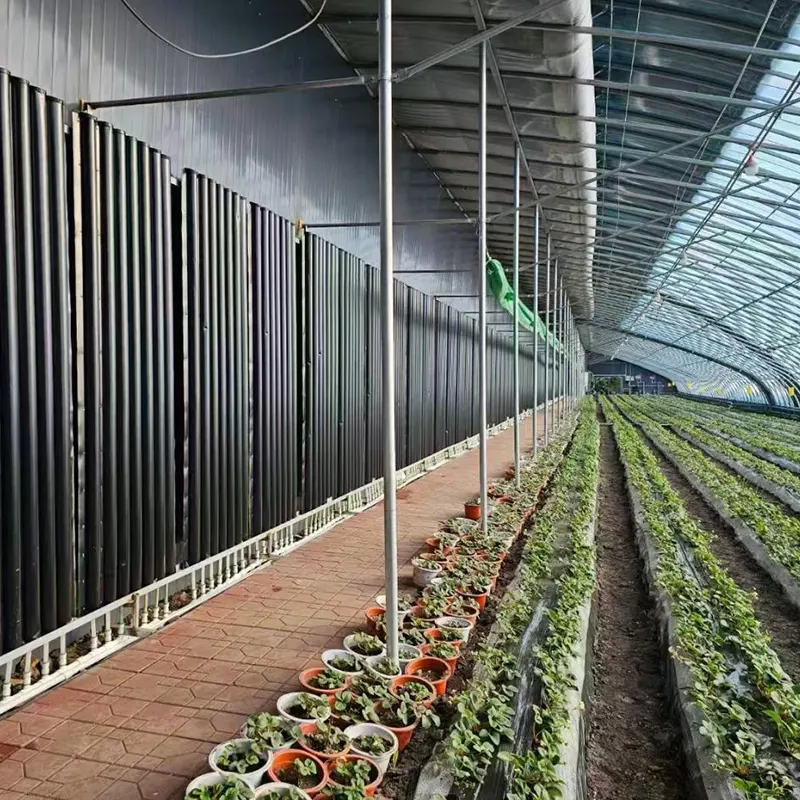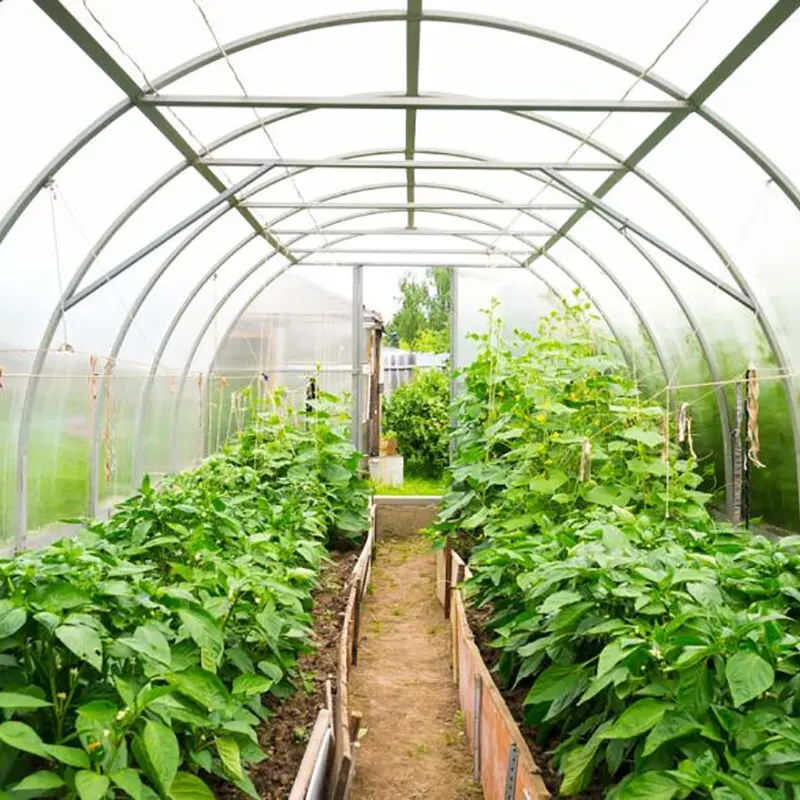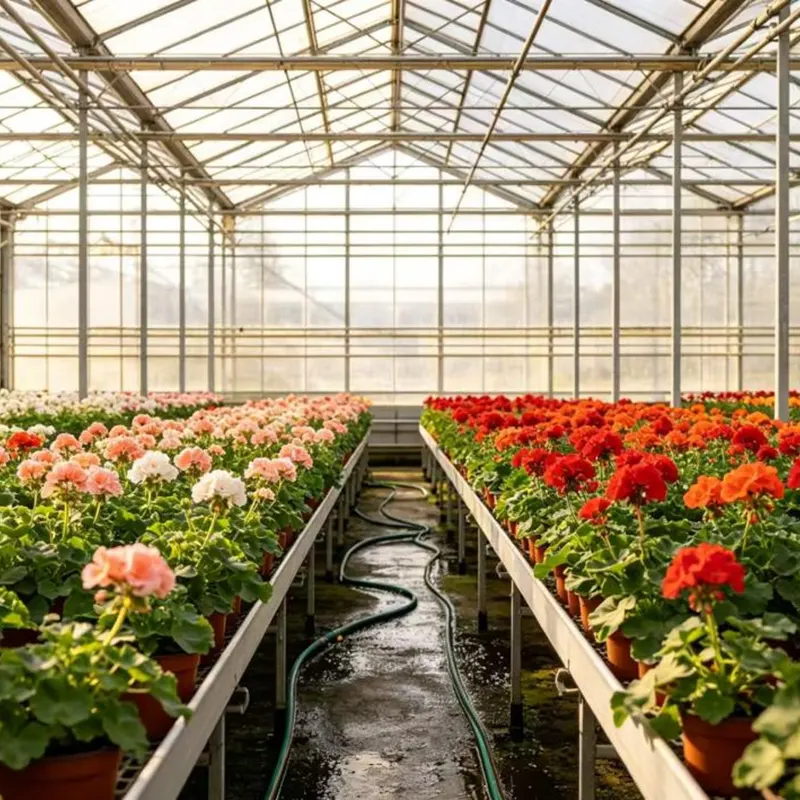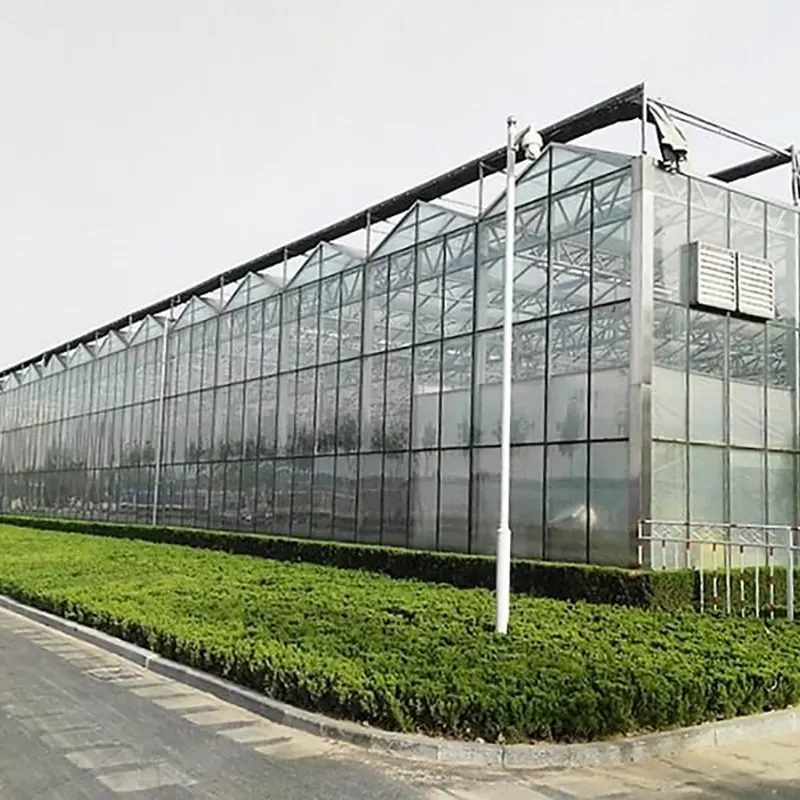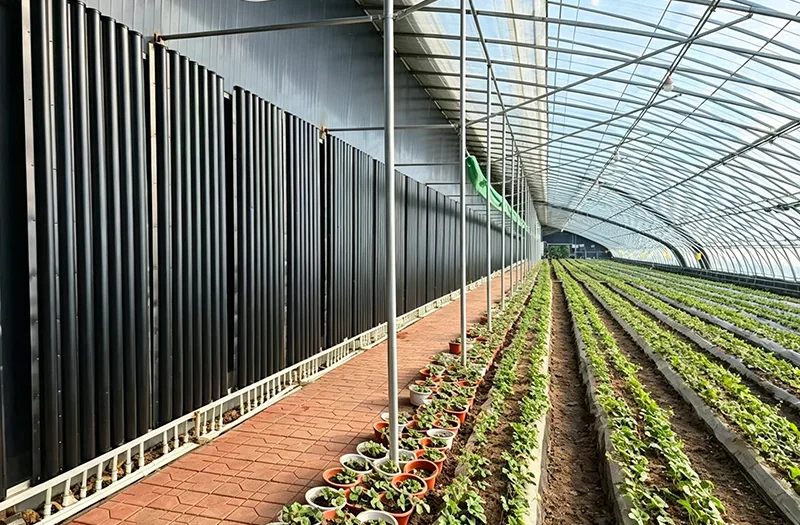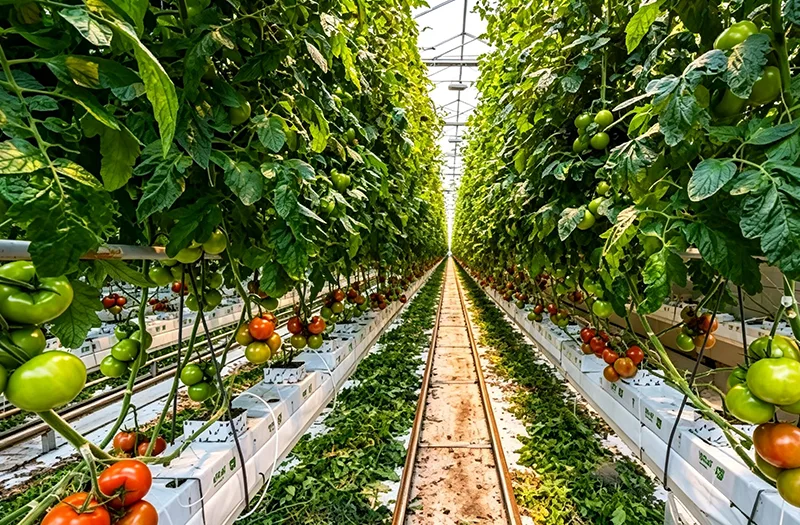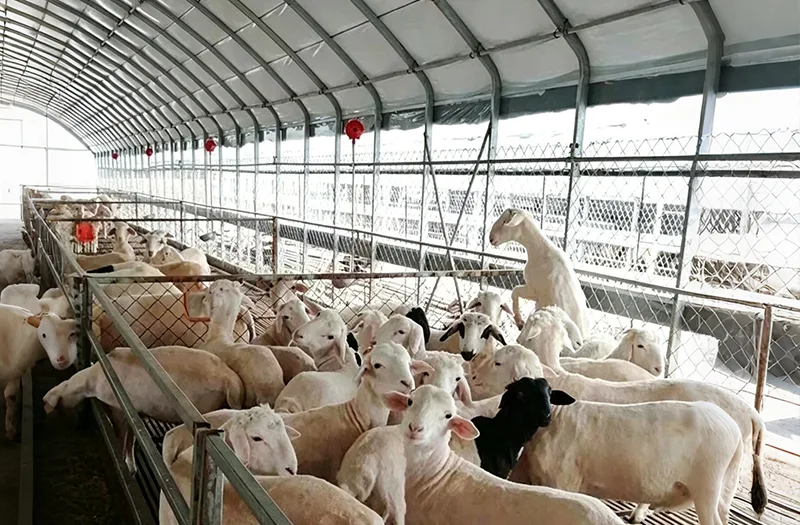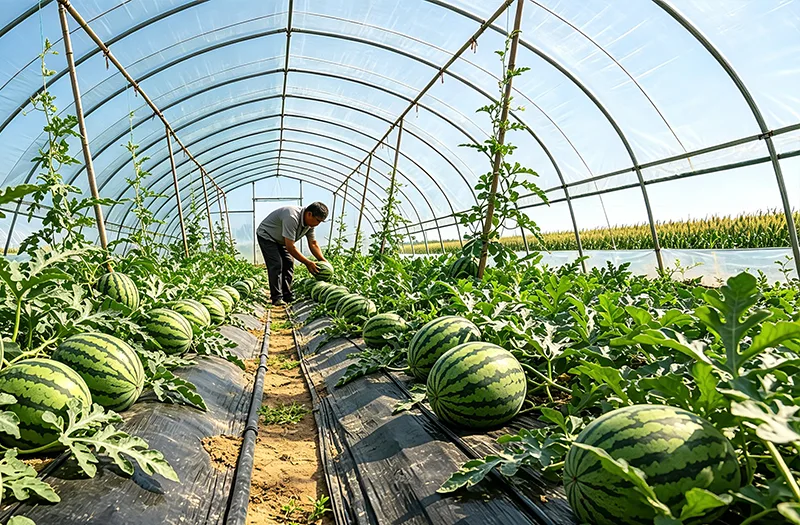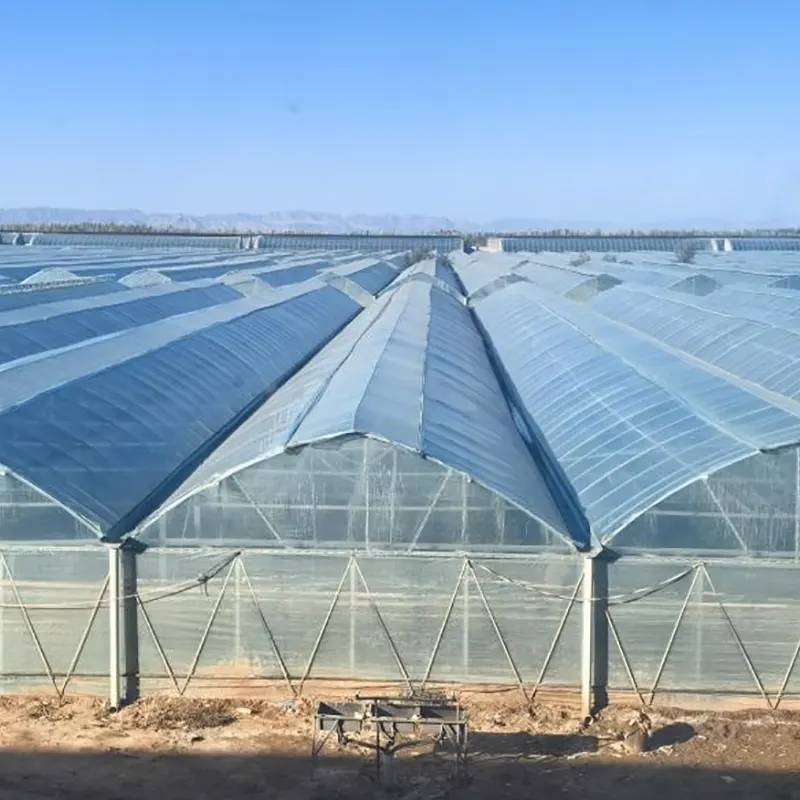
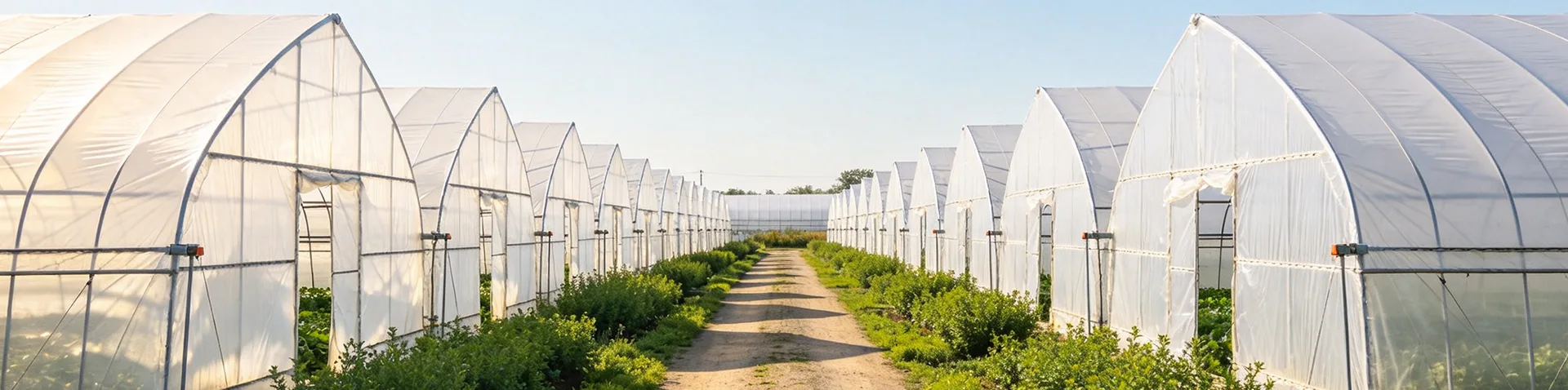
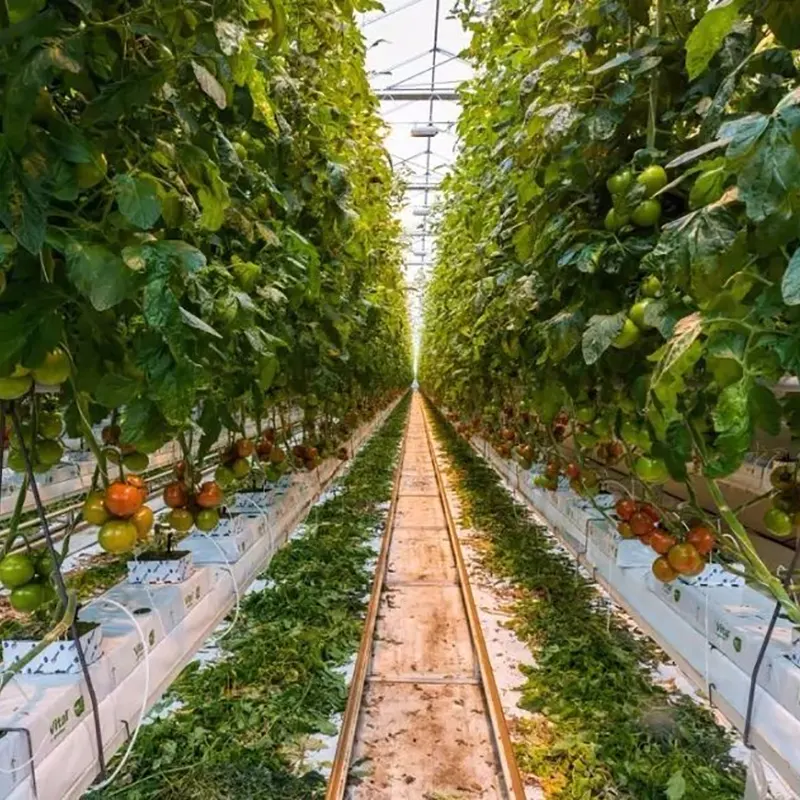
A Fruit-growing Multi-span Greenhouse is a protected cultivation structure designed specifically for fruit-bearing crops. Unlike a general-purpose greenhouse, its configuration focuses on protecting fruit from rain, birds, insects, and excessive weather exposure while providing a manageable environment for temperature, humidity, irrigation, and ventilation. The structure can be adapted for trellised vines, berry crops, orchard-style planting, and other commercial fruit cultivation methods.
Product Details
Fruit crops often require more than simple shelter during flowering and fruit development. Rain during the ripening period can increase the risk of fruit cracking, surface damage, and disease, while temperature fluctuations and uneven light can affect coloration and quality. The Fruit-growing Multi-span Greenhouse is designed around these cultivation requirements, combining a protected growing environment with adjustable ventilation, shading, irrigation, and temperature-control options.
Ruize Steel can configure the greenhouse according to fruit variety, planting method, local climate, land conditions, and project scale. Rain protection, insect screening, bird protection, fertigation, drip irrigation, shading, environmental monitoring, and other supporting systems can be selected as required.
Rainfall during flowering, fruit development, and ripening can create unfavorable conditions for many fruit crops. The greenhouse covering provides a controlled barrier against direct rainfall and helps keep the fruiting area cleaner and drier.
The effectiveness of rain protection depends on greenhouse enclosure, ventilation, drainage, crop variety, and local weather conditions.
Fruit quality is affected by light availability, temperature, and the difference between day and night conditions. The greenhouse can integrate shading, ventilation, and temperature-control equipment to help manage these factors.
A protected cultivation structure can help growers manage production timing by reducing the impact of unfavorable outdoor weather during the growing season.
Birds and insects can cause direct fruit damage and contribute to crop losses. The greenhouse can be equipped with insect-proof screens and bird protection systems to provide an additional physical barrier.
The multi-span structure can provide organized planting rows, wider internal access, and a cleaner protected environment, making it suitable for both commercial fruit production and visitor-oriented agricultural facilities.
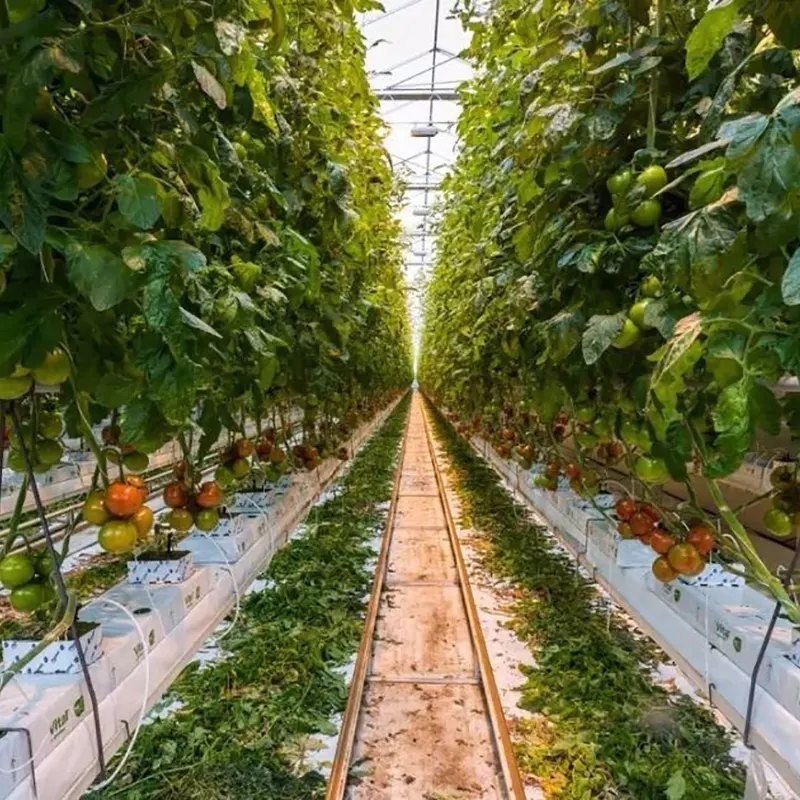
The greenhouse can be configured for trellised grape production, providing rain protection and a controlled growing environment during flowering, fruit development, and ripening.
Protected cultivation can help reduce direct rainfall on strawberry fruit and improve the cleanliness of the growing environment. Drip irrigation and fertigation systems can be integrated according to the cultivation method.
For cherries, peaches, plums, and similar fruit crops, the greenhouse can be designed around rain protection, ventilation, light management, and fruit handling requirements.
Blueberries and other berry crops can be grown in protected environments where rainfall management, irrigation, humidity control, and crop protection are important.
The multi-span structure can accommodate trellis and support systems for dragon fruit and other climbing or vine-type fruit crops, with dimensions adjusted to the required plant height and row spacing.
Melons and watermelons can be cultivated under protected conditions using suitable ventilation, irrigation, temperature management, and support systems.
The greenhouse can be used for premium fruit demonstration sites, commercial picking farms, agricultural parks, and projects that combine fruit production with visitor experiences.
Supporting equipment can be selected according to fruit variety, planting system, local climate, greenhouse dimensions, and project objectives.
Ruize Steel applies standardized quality control to greenhouse frames, covering materials, ventilation components, irrigation-related accessories, and other supplied systems.
Steel components are processed with corrosion-protection treatment, while export orders are packed with protection against moisture, impact, rust, and deformation during long-distance transportation.
Components are organized according to the greenhouse structure and installation requirements to support safer handling, transportation, and assembly at overseas project sites.
The protected structure helps reduce direct exposure to rainfall, birds, insects, and other outdoor factors during flowering, fruit development, and ripening.
Ventilation, shading, irrigation, and temperature-control systems can be combined to create conditions better suited to the specific fruit crop and local climate.
The greenhouse is suitable for growers who place greater emphasis on fruit cleanliness, appearance, quality consistency, and protected cultivation.
The structure can accommodate trellis-grown vines, berry crops, fruit trees, and other cultivation methods with dimensions and support systems adapted to the crop.
The greenhouse can be configured for commercial fruit production, demonstration projects, and picking farms where cultivation and visitor access need to coexist.
The greenhouse can be used for grapes, strawberries, cherries, blueberries, dragon fruit, melons, watermelons, peaches, plums, and other premium fruit crops. The final configuration should be matched to the characteristics of the selected variety.
Its main purposes include protecting crops from rain and external pests, improving environmental control, supporting fruit quality, and helping growers manage the production period. The exact benefits depend on crop variety, climate, greenhouse design, and cultivation practices.
Temperature, light, water availability, crop load, and variety all affect fruit sugar accumulation. A greenhouse can provide more control over temperature and water management, but it cannot guarantee a specific increase in sweetness. Crop variety and cultivation management remain important factors.
Yes. The multi-span layout can be designed with organized planting rows, wider access routes, rain protection, and visitor pathways, making it suitable for larger picking farms and agricultural tourism projects.
Yes. The structure can accommodate grape trellises and support systems. Span, height, row spacing, ventilation, and irrigation should be configured according to the grape variety and cultivation method.
For fruit varieties that are sensitive to rainfall during ripening, reducing direct rain exposure can help lower one important environmental factor associated with cracking. However, fruit cracking is also influenced by variety, irrigation, humidity, nutrient management, and other growing conditions.
Yes. Insect-proof screens and bird protection nets can be integrated with ventilation openings and the greenhouse enclosure according to the local pest conditions and crop requirements.
Yes. Drip irrigation, fertigation, automatic irrigation, and related water-management systems can be incorporated according to the fruit crop, planting density, growing medium, and project scale.
Yes. Greenhouse span, height, planting layout, support structures, ventilation, shading, irrigation, and other systems can be adjusted according to the crop variety, cultivation method, local climate, land conditions, and project requirements.
Yes. Ruize Steel can supply customized greenhouse structures and supporting systems for overseas fruit farms, picking parks, agricultural demonstration projects, and commercial cultivation facilities, with technical documentation, export packaging, and project support available according to the order requirements.
Address
Daqiuzhuang Town, Jinghai District, Tianjin, China
Tel
If you have any enquiry about quotation or cooperation, please feel free to email us at ruizesteel@ruizegreenhouse.com or use the following inquiry form. Our sales representative will contact you within 24 hours. Thank you for your interest in our products.
Phone:+86-15602082226
WeChat:15602082226
Fax:+86-022-59580608
Web:www.ruizegreenhouse.com
Copyright © 2026 Tianjin Ruize Steel Co., Ltd. All Rights Reserved.